UK average diesel price passes £2 a litre for first time
A litre of unleaded petrol now averages 174.71p, around 42p more than at the start of the US/Iran war, the RAC said.
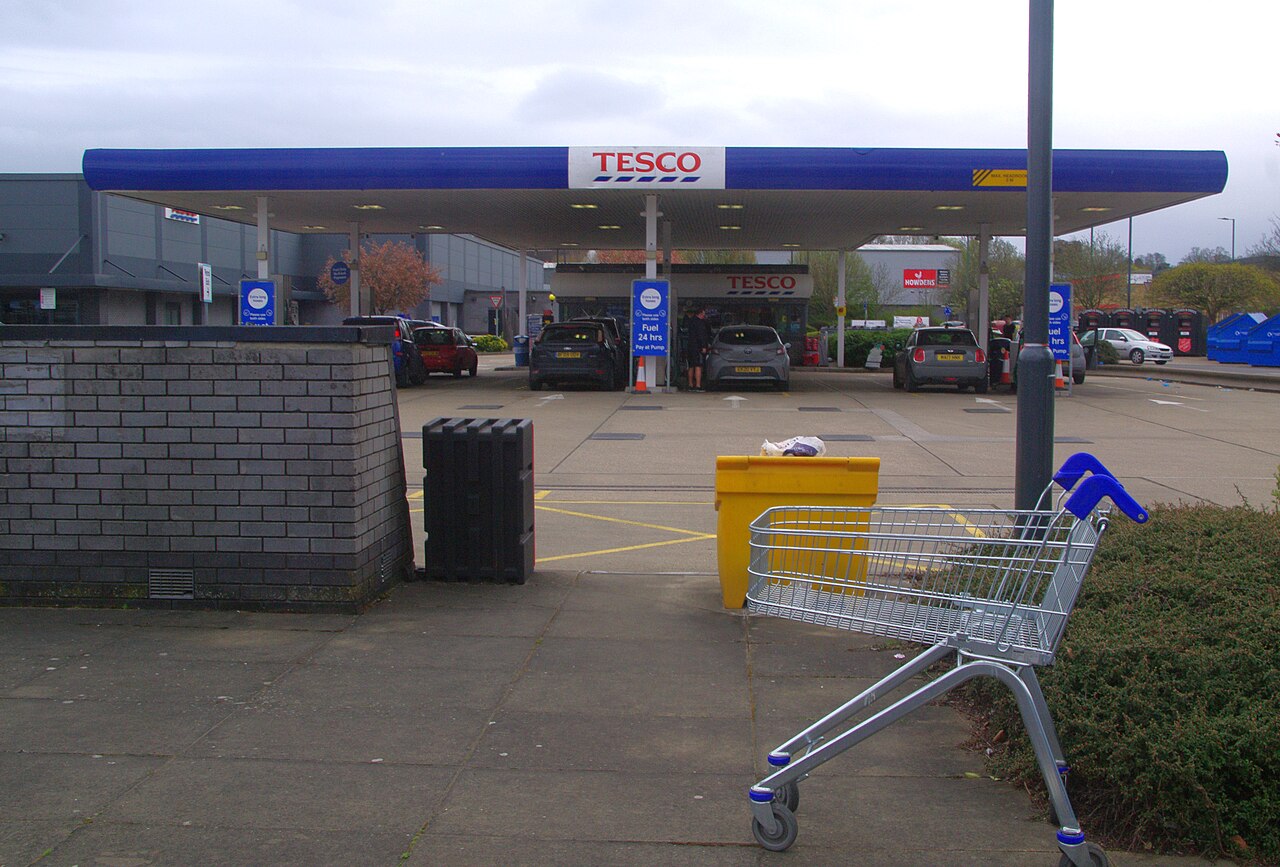
The average price of a litre of diesel in the UK has passed £2 for the first time, reaching a record 200.01p, the RAC has said.
The previous highest price, 199.09p in June 2022, is “already becoming a distant memory”, RAC head of policy Simon Williams said.
The conflict in the Middle East continues with no sign of a deal to reopen the critical oil and gas shipping route through the Strait of Hormuz, Williams said, adding that the UK “remains heavily reliant on fossil fuels and imported diesel”.
Filling up an average family car now costs £110, almost £32 more than it did on 28 February, at the start of what the RAC calls the US/Iran war. A 55-litre tank of diesel costs £110.01.
For an average 45mpg diesel car, the cost works out at “an extraordinary 20p per mile”, Williams said. A driver covering 10,000 miles a year is now spending £2,020 on fuel.
The price will be “very challenging for households and companies that drive a lot of miles”, from commuters to haulage and delivery firms, businesses with large fleets and sole traders. Businesses “may have no option but to pass these additional costs onto customers”.
In “a cruel twist”, diesel vehicles were “once considered the most cost-effective option for lengthy journeys”, Williams said.
Petrol is rising as well, taking the cost of a full tank to £96.
Analysis of RAC Fuel Watch data shows petrol prices are, on average, higher than the RAC would expect. Based on recent fuel retailing trends, the figure would be 170p a litre. The RAC said this suggests some retailers could be making an effort to keep diesel prices a little lower by balancing prices across the two fuels.
Williams said US threats of a diesel export ban could cause prices to rise even further, without giving details of the threats. Drivers will be looking to the government to ease the burden by “lowering fuel duty further or reducing VAT” in the October budget, according to the RAC.
G7 statement
On 2 October, the day the RAC published its figures, the leaders of the G7 said in a statement on GOV.UK that a coordinated release of 100 million barrels would begin immediately. It will run over four months, with a “frontloaded substantial diesel release” by G7 members and partners in the first 20 days.
The leaders also reaffirmed their commitment to refrain from export restrictions on energy and energy products between G7 countries. They called on all producers to refrain from imposing bans that “could exacerbate market tensions”.
G7 members said they would convene in the coming days to discuss the possibility of additional diesel releases “as necessary”.