Around 700 prisoners freed in England and Wales as release scheme begins
Rape, serious child sex offences and, since 30 August, manslaughter and several other crimes were barred from the scheme, after two rounds of exclusions announced by Prime Minister Andy Burnham.
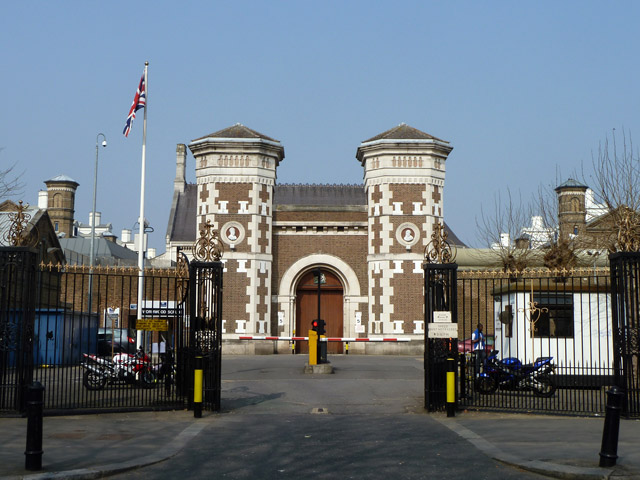
Around 700 prisoners were due to be freed from jails in England and Wales on 1 October, as the first tranche of the government’s “progression model” early release scheme took effect, the Ministry of Justice estimated in a tranche-by-tranche release schedule published on 30 August.
The scheme changes automatic release points for prisoners serving standard determinate sentences, moving them out of custody earlier under supervision in the community. The Ministry of Justice has pointed to prison overcrowding in England and Wales as the reason for the change, which comes into force under the Sentencing Act 2026.
Rape, serious child sex offences and grooming offences were barred from the scheme from the outset, Prime Minister Andy Burnham announced on 4 August. “Keeping the public safe is my top priority,” Burnham said, adding that offenders sentenced for those crimes “will be excluded”. Justice Secretary Alex Norris said at the time it was “right these sickening crimes are excluded from these reforms”.
On 30 August, Burnham added further exclusions: all forms of manslaughter, death by dangerous and drunk driving, causing or allowing the death of a child, killing an emergency worker in the line of duty, and indecent assault. “We moved quickly to block vile criminals who commit rape, sexually abuse children and groom vulnerable young people,” Burnham said, referring to the earlier exclusions. Norris said “people responsible for taking a life, or for appalling crimes against children, should be kept behind bars”.
Burnham also said there would be “record numbers of offenders set to leave prison tagged”, describing a “presumption that all prison leavers will be tagged”.
Dame Nicole Jacobs, the Domestic Abuse Commissioner for England and Wales, said the 30 August exclusions announcement “won’t bring reassurance” to victims of domestic abuse. “No perpetrator should be released before there is a wholesale change to the way a perpetrator’s risk is assessed,” Jacobs said in a statement published on the commissioner’s office website.
The Ministry of Justice estimates around 4,500 prisoners will be released under the progression model across ten tranches running from October 2026 to June 2027, according to the same 30 August schedule.
Separately, the government has committed more than £1 billion over three years to support services for victims of violence against women and girls, a package that includes placing domestic abuse specialists in 999 control rooms. The Ministry of Justice set out that figure when it announced the second phase of the 999 rollout, covering 12 more police forces, in June.