Athens explosion near Acropolis leaves six dead
Two women were rescued alive from a neighbouring building, and a passer-by was slightly hurt by debris.
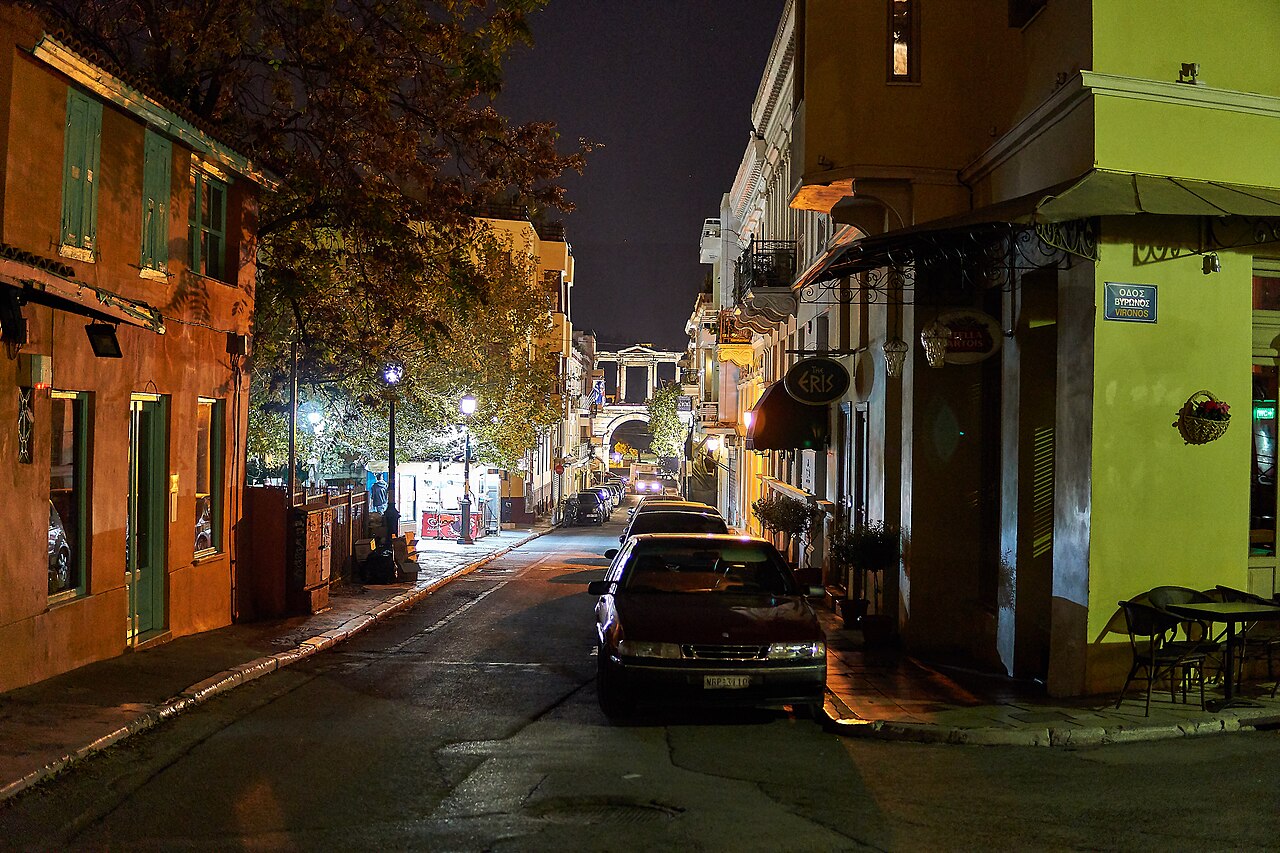
Six people have died after an explosion brought down a two-storey building near the Acropolis in Athens, and firefighters have recovered all six bodies from the rubble.
Greece’s fire service said the house, on Lysikratous Street in the Plaka district, had collapsed after the blast on the morning of 25 September.
Rescuers searched through the night. The first body, that of a woman, was pulled out in the early hours of 26 September.
The last two bodies were found around midday, more than a day after the house came down.
Formal identification of the victims had not been completed when the search ended.
ERT, Greece’s public broadcaster, reported that four US citizens had been staying in a short-term rental flat on the first floor. An elderly married couple, a Greek woman and a British man, lived on the second floor.
What caused the explosion has not been established. Athens Mayor Haris Doukas, speaking at the scene on 25 September, said it was probably the result of an extensive gas leak.
Greek police said the first reports officers received were of a smell of some kind of gas, and that the priority was finding people.
Enaon EDA said in a statement in Greek on 25 September that its standby crews had gone straight to the building at 15 Lysikratous Street and were carrying out checks with the authorities. “The causes of the incident are being investigated,” the company added.
The fire service has taken over the preliminary investigation. The Directorate for Tackling Arson Crimes has been at the scene from the start, looking into the circumstances of the blast.
During the search, 30 firefighters and six vehicles were at the site. Two of these were specialist rescue vehicles, and three search-and-rescue dogs also took part.
Crews used geophones, which detect sound in the ruins, and special cameras to find the missing, while the City of Athens supplied heavy machinery to clear the rubble.
The blast broke glass, windows and shutters at several properties in the area and damaged cars parked on the street. Nearby buildings were evacuated for safety reasons.
The city’s services inspected the neighbouring buildings. On a first assessment, those next to the site are not considered habitable for now and need repairs.
Further checks are expected once work on the rubble is finished.