How often should you test your smoke alarm?
All three services say to replace an alarm after 10 years, and the London Fire Brigade says a kitchen needs a heat alarm instead of a smoke alarm.
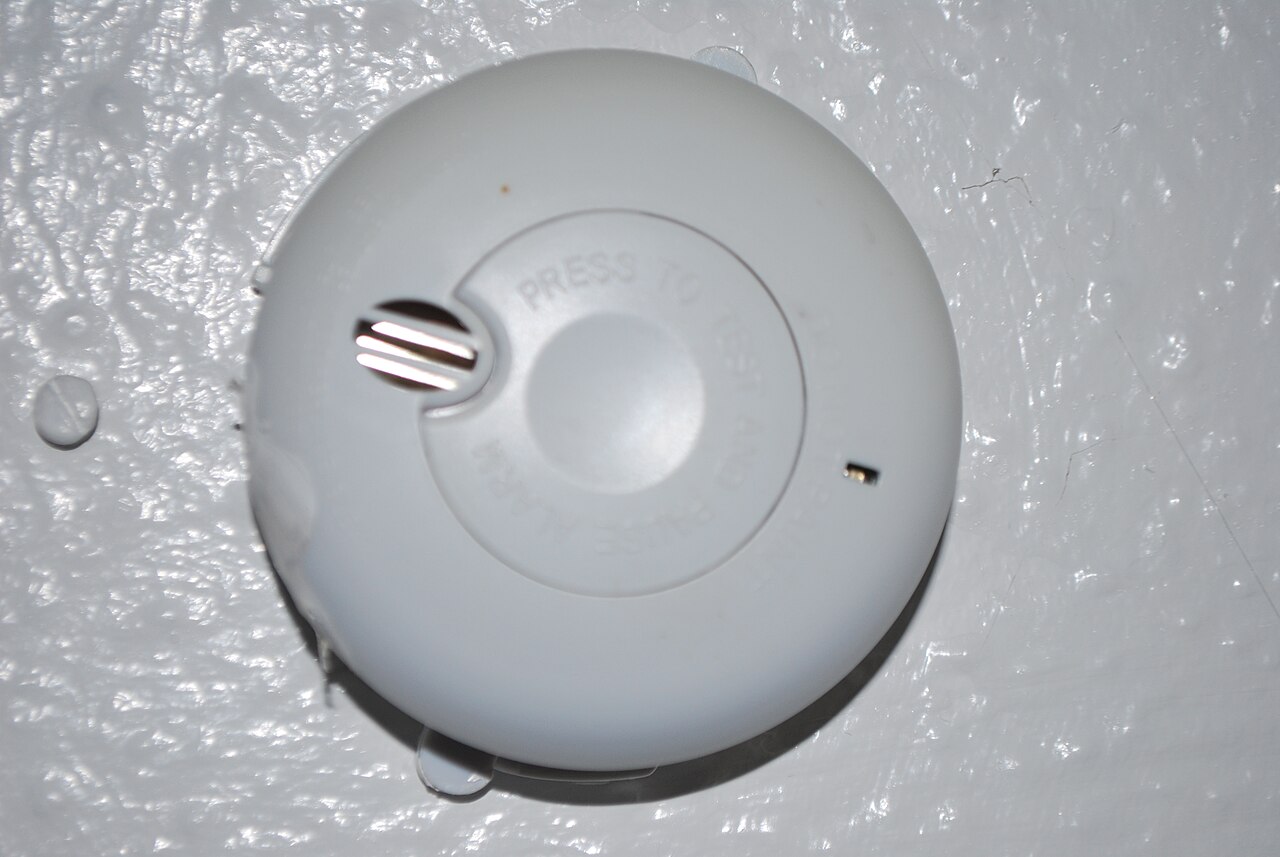
Three fire services in England give two answers on how often to test a smoke alarm: Essex says monthly, while West Sussex and Kent say weekly.
Essex County Fire and Rescue Service says on its website that smoke alarms should be tested every month by pressing the test button. It suggests putting a reminder in the calendar for the first of each month so the job is not forgotten.
West Sussex Fire and Rescue Service says to test each alarm once a week, pressing the button until the alarm sounds. Kent Fire and Rescue Service also encourages weekly testing, and says that if the alarm is out of reach, something like a broom or a walking stick can be used.
On one point the three agree. Each says a smoke alarm should be replaced after 10 years.
Kent says the sensors in an old alarm become less reliable, so it might fail to sound or go off for no reason. The expiry date should be on the back or side of battery-powered and wired-in alarms, and an alarm with no date needs replacing.
Checking the date may mean taking the alarm down from the ceiling. Kent’s advice for anyone who cannot change an alarm safely is to ask a friend or family member for help.
Dust, batteries and the kitchen
Essex and West Sussex both say to clean the inside of the alarm twice a year. West Sussex adds that the battery should be changed once a year unless the alarm is a 10-year model, and that anyone whose alarm keeps going off should not take out the battery.
The London Fire Brigade says smoke alarms should be fitted in all rooms where a fire may start, except rooms with an excess of smoke or steam, such as a kitchen, where a heat alarm should go instead. The brigade also recommends smoke alarms with a 10-year or long-lasting sealed battery.
Renting in England
In England, government guidance says landlords in the private rented sector must have at least one smoke alarm on each storey with a room used as living accommodation, a requirement in place since 2015. Tenants who find an alarm is not working are advised to replace the batteries and, if it still does not work, to tell the landlord.
The same guidance names no testing interval. It tells landlords to follow the manufacturer’s instructions for testing alarms.
For a fire at home, the brigade’s escape-plan advice is to get out, stay out and call 999 as soon as it is safe to do so, and never to assume that an alarm going off is a false alarm.