Drumcree talks collapse as legal fight continues
Garvaghy Road residents have handed in a 4,000-name petition against this year’s march, campaigner Breandán Mac Cionnaith said, as the Portadown Orange Order points to a Parades Commission ruling upheld by the courts in its favour.
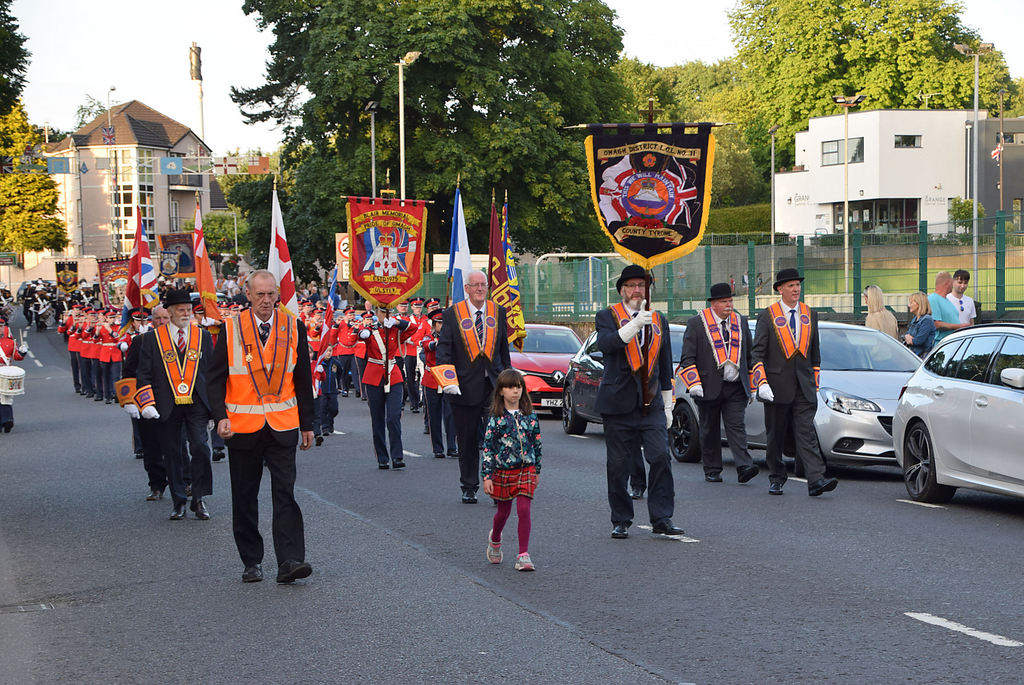
Talks aimed at resolving the Drumcree parade dispute in Portadown have ended without agreement, Northern Ireland Secretary Sir Chris Bryant has said, with a legal challenge to the parade due in court on 5 October.
Speaking after the talks at Hillsborough Castle on 1 October, Bryant told reporters: “I think this is the end of these conversations. We haven’t come to a settled agreement, and it’s a shame, but my door remains open.”
The Garvaghy Road Residents’ Coalition (GRRC) lodged a fresh legal bid on 29 September, pushing the case back from 2 October to 5 October; Bryant said “we’ll have to see how that plays out,” adding that “the law, in the end, is the law” and urging “everybody to cooperate with the police.”
Breandán Mac Cionnaith, chairman of the GRRC, said the talks had produced no “meeting of minds” and that the current process was “done.” Asked whether the talks had run their course, Mac Cionnaith replied: “For the time being, yes.”
On whether the Garvaghy Road would be blocked again if the 5 October legal challenge failed, Mac Cionnaith said that was “not my decision,” pointing to a petition signed by 4,000 people in the area: “Those 4,000 people deserve to have their voice heard.”
Portadown District Master Nigel Dawson said the Orange Order still held “a positive determination issued by the Parades Commission,” upheld by the Court of Appeal and the High Court, and called on the secretary of state “to apply the law.”
Police Service of Northern Ireland (PSNI) Chief Constable Jon Boutcher told the Policing Board in Belfast on 1 October that the policing operation had cost about £3m so far, calling the situation “challenging.” Despite “very significant tensions,” Boutcher said, there had been no violence, though forcing an Orange Order march down the Garvaghy Road “could be catastrophic” for Northern Ireland, Boutcher added.
What happened before
Residents blocked the Orange Order from marching its traditional route along the Garvaghy Road on 27 September, hours after the Court of Appeal upheld a High Court decision lifting an injunction against the parade; protesters dispersed from the road in the early hours of 28 September once Mac Cionnaith said the march would not go ahead overnight.
The Parades Commission ruled in 1998 that the Orange Order should not use the Garvaghy Road, a restriction that held for 28 years; it approved this year’s parade with restrictions on 25 September, a decision the courts upheld on 27 September after residents’ legal challenges failed.
The postponed court hearing on the GRRC’s legal challenge is now due in Belfast on 5 October, when judges are expected to rule on whether this year’s restricted parade can still go ahead.