MI5 chief: Brexit result ‘not in dispute’ after Burnham’s Russia comments
The MI5 chief also backed the prime minister on a separate point, saying there was a hack and leak in the 2019 election campaign.
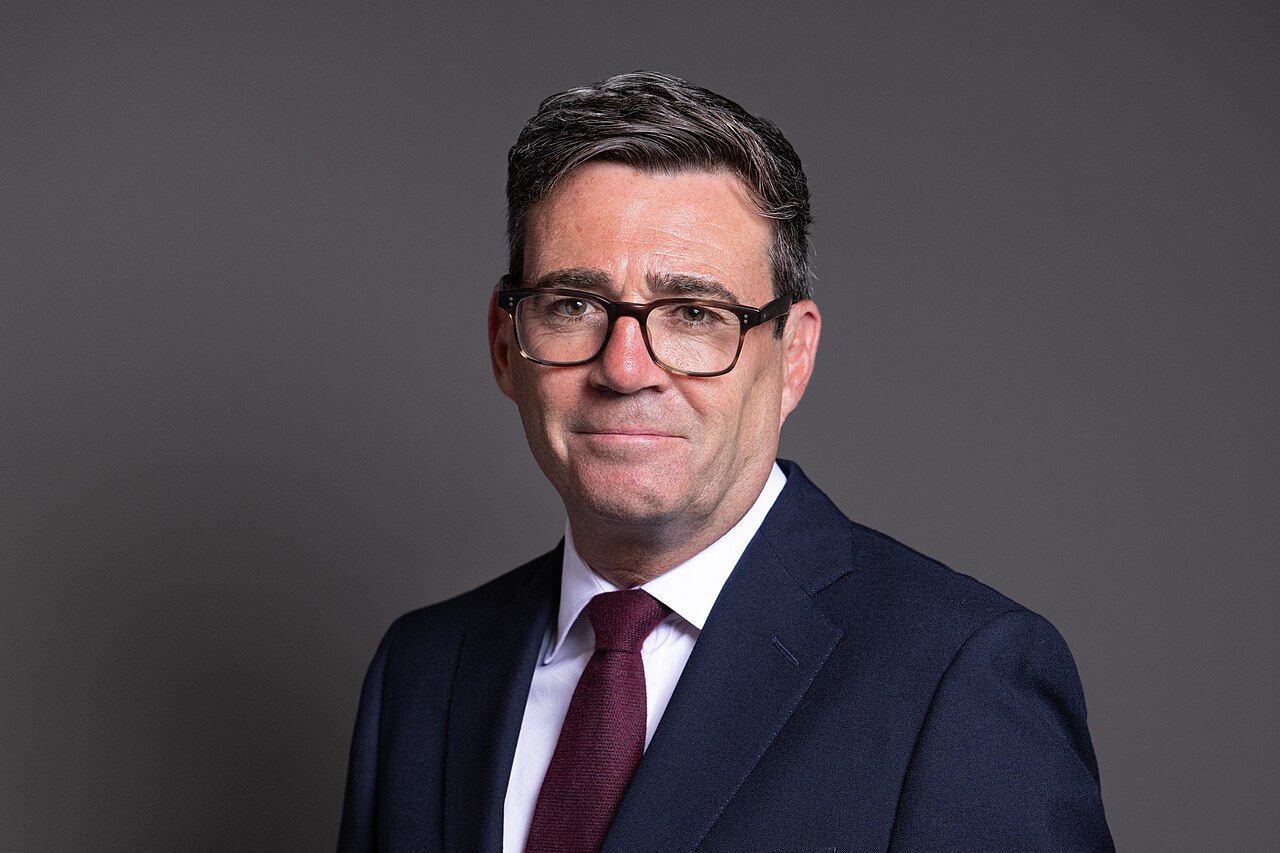
The head of MI5, Sir Ken McCallum, has said the result of the 2016 Brexit referendum is “not in dispute”, after Prime Minister Andy Burnham said Russia had interfered in the vote.
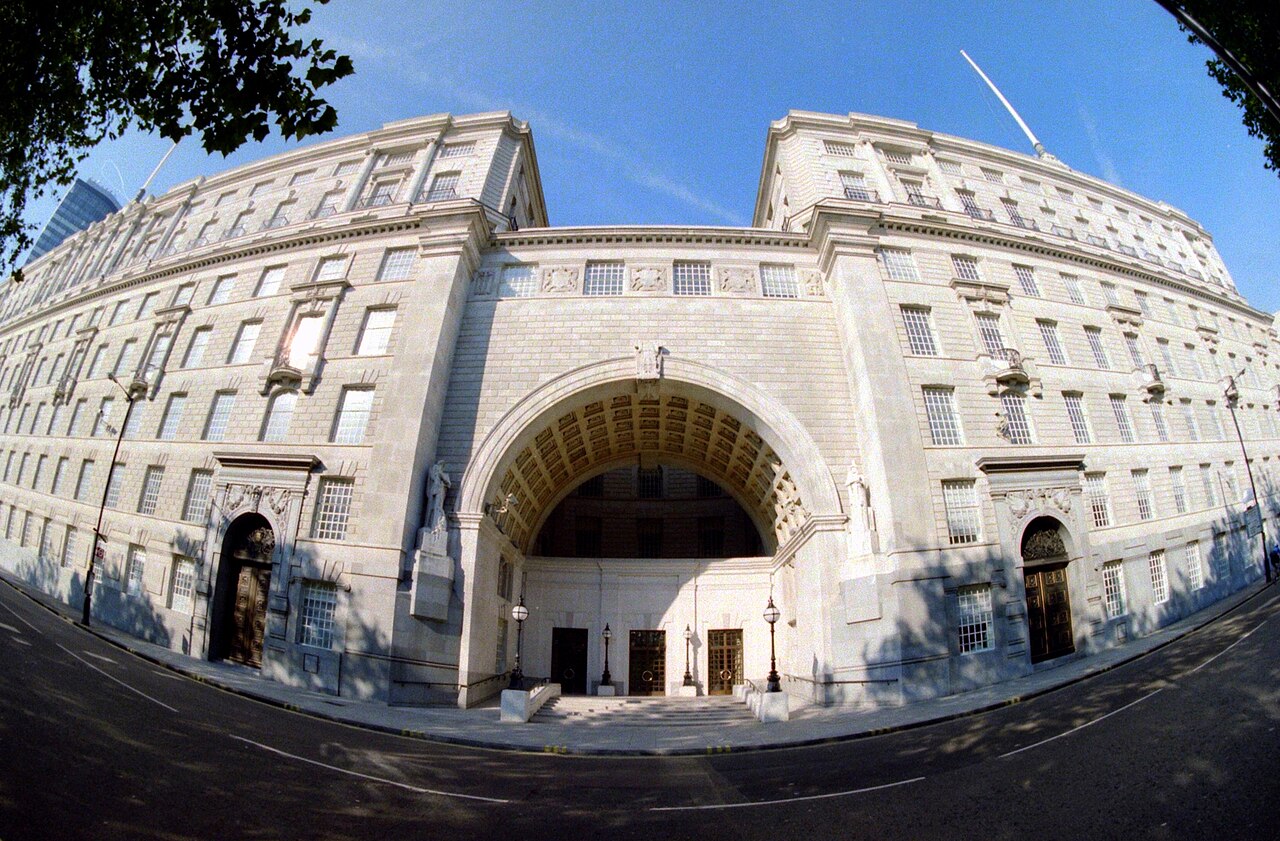
McCallum made the remarks to reporters on 13 October, after delivering the annual MI5 threat speech at the service’s London headquarters, Thames House.
Asked about the prime minister’s comments, McCallum said it was “not new news” that there had been attempts from Moscow, but drew a distinction between “interference attempted” and the outcome of the vote.
McCallum said it was on the public record that Sputnik and other Russian media organisations had come in strongly around the referendum, and that a certain amount of interference had been attempted through trolls and bots.
McCallum agreed “strongly” with the prime minister on 2019: a hack and leak had taken place inside that year’s general election campaign.
Russian trolls would be “delighted” to be front-page news again if the debate ran for another few days, despite the comparative unimpressiveness of their efforts, McCallum said. That prospect left McCallum “a little bit worried”.
Burnham told The Rest is Politics podcast, in an interview released on 12 October, that on arriving in Downing Street the prime minister had asked whether Russia interfered in the 2016 vote and had been given “the clear answer that, yes, there was”. Burnham gave no details of the extent or nature of Moscow’s activity, the BBC reported.
In the House of Commons on 12 October, Burnham denied a suggestion from Conservative leader Kemi Badenoch that the prime minister was implying the referendum result was illegitimate because of Russian interference. A No 10 spokesperson also clarified that Burnham believed it highly likely that Russia tried to influence the result, but did not believe those efforts were successful.
The same account noted that in 2020, a parliamentary report did not reach a firm conclusion on whether Russia had tried to intervene in UK elections and referendums. It criticised the government for failing to fully assess and counter the threat from Russian “troll” accounts on social media.