EU to drop two oligarchs, extend Russia sanctions to 2029
The deal has still to be formally adopted, and Latvia – the last country to hold out – is already preparing national sanctions of its own against the two men.
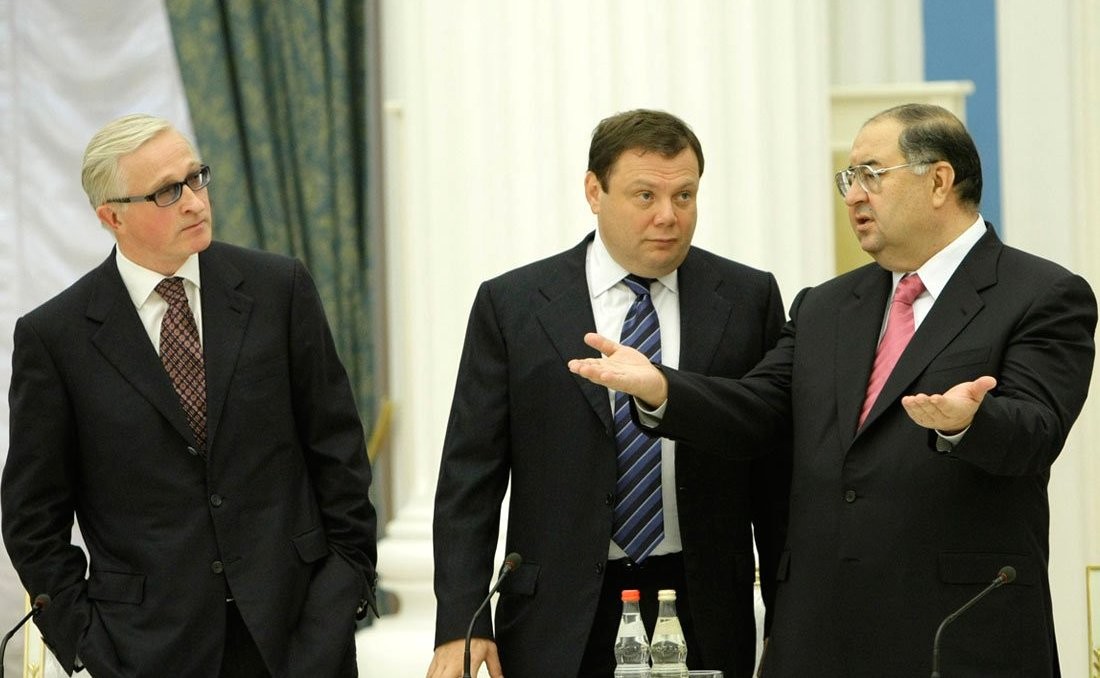
The European Union has agreed to drop two Russian oligarchs, Alisher Usmanov and Mikhail Fridman, from its Russia sanctions list, in return for keeping about 3,000 other names on it until 2029.
The two men came off the list at the request of Slovakia, France and Luxembourg, Interfax Ukraine reported on 22 September. That account of the decision did not set out why the three governments wanted the names removed.
The Council of the European Union rolled the sanctions over for 36 months instead of six, and they now run until 22 September 2029.
The list covers individuals and entities the EU holds responsible for undermining or threatening Ukraine’s territorial integrity, sovereignty and independence.
The decision is not yet in force. It will be formally adopted only once a process known as a written procedure has been completed.
Latvia held out longest and abstained in the end, which was enough to let the deal through. EU sanctions can be renewed only if every member state agrees.
Usmanov, a Russian-Uzbek metals tycoon, and Fridman, a Russian-Israeli banking magnate, have been under EU sanctions since 2022.
Alongside the two men, the Council decided not to renew the listing of one more person, who was not named, and of one entity. Three people who had died were taken off the register at the same time.
Ukraine’s foreign minister, Andrii Sybiha, called the decision “shameful and entirely unjustified” in a statement on the ministry’s Telegram channel.
“Moscow is celebrating because it has received what it wanted: a sense of impunity, the humiliation of the EU, and division among Europeans,” Sybiha added.
Latvia’s Cabinet of Ministers has instructed the country’s foreign ministry to draw up a proposal, a legal justification and draft legislation for national sanctions on Usmanov and Fridman, and to do so immediately.
A government statement said Latvia “will continue to use all legal instruments at its disposal to prevent the unfreezing of these individuals’ funds and economic resources in Latvia.”