Knife crime crackdown widened across England and Wales
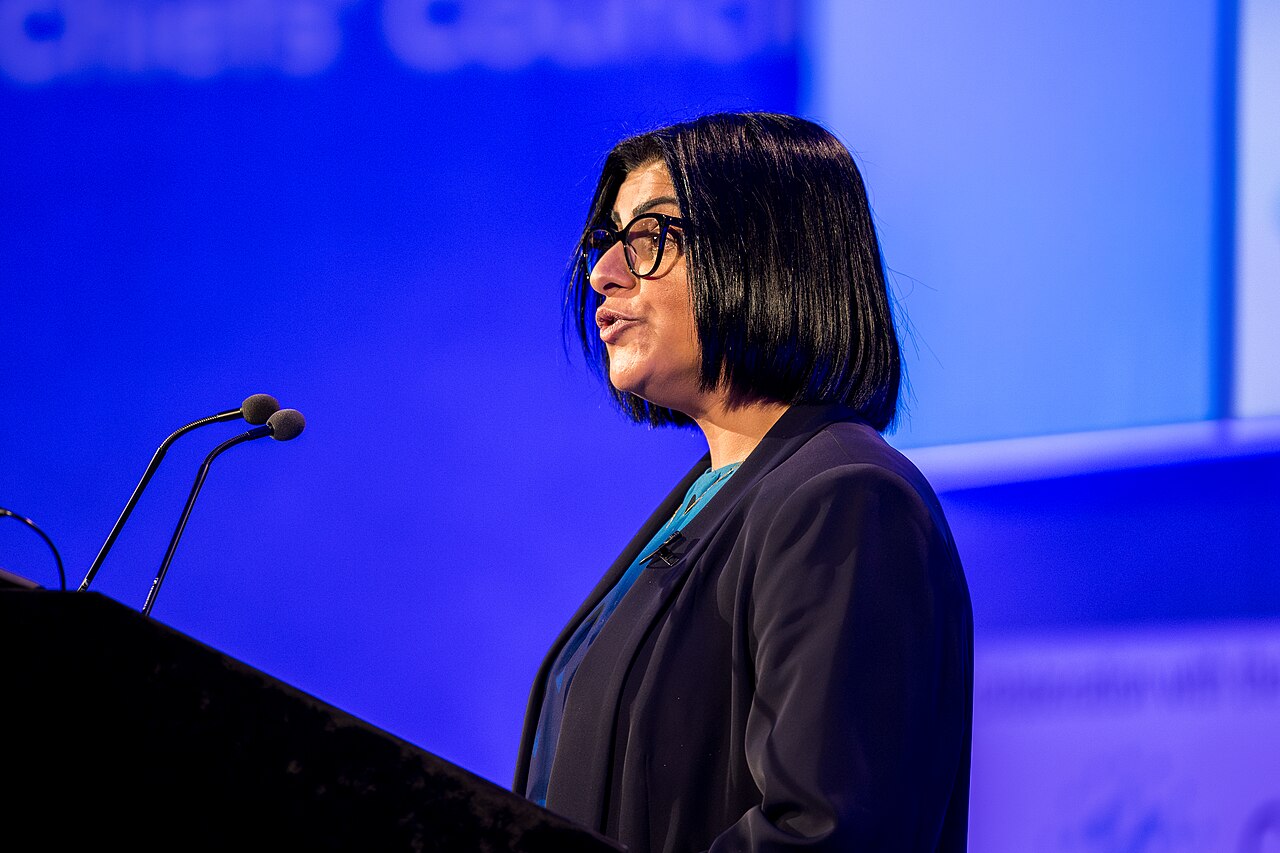
Home Secretary Shabana Mahmood said targeted policing had already cut knife robberies by nearly a quarter in seven police forces.
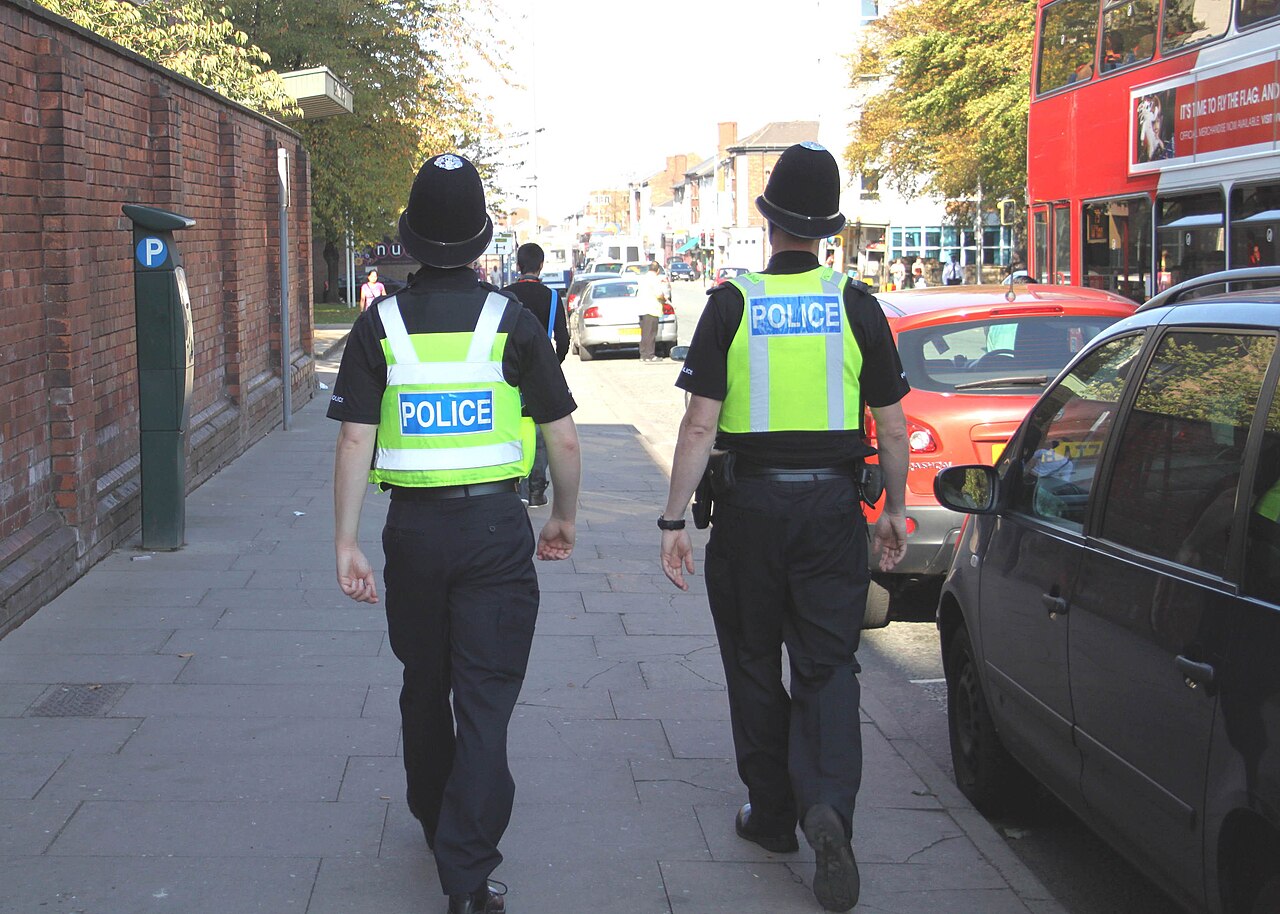
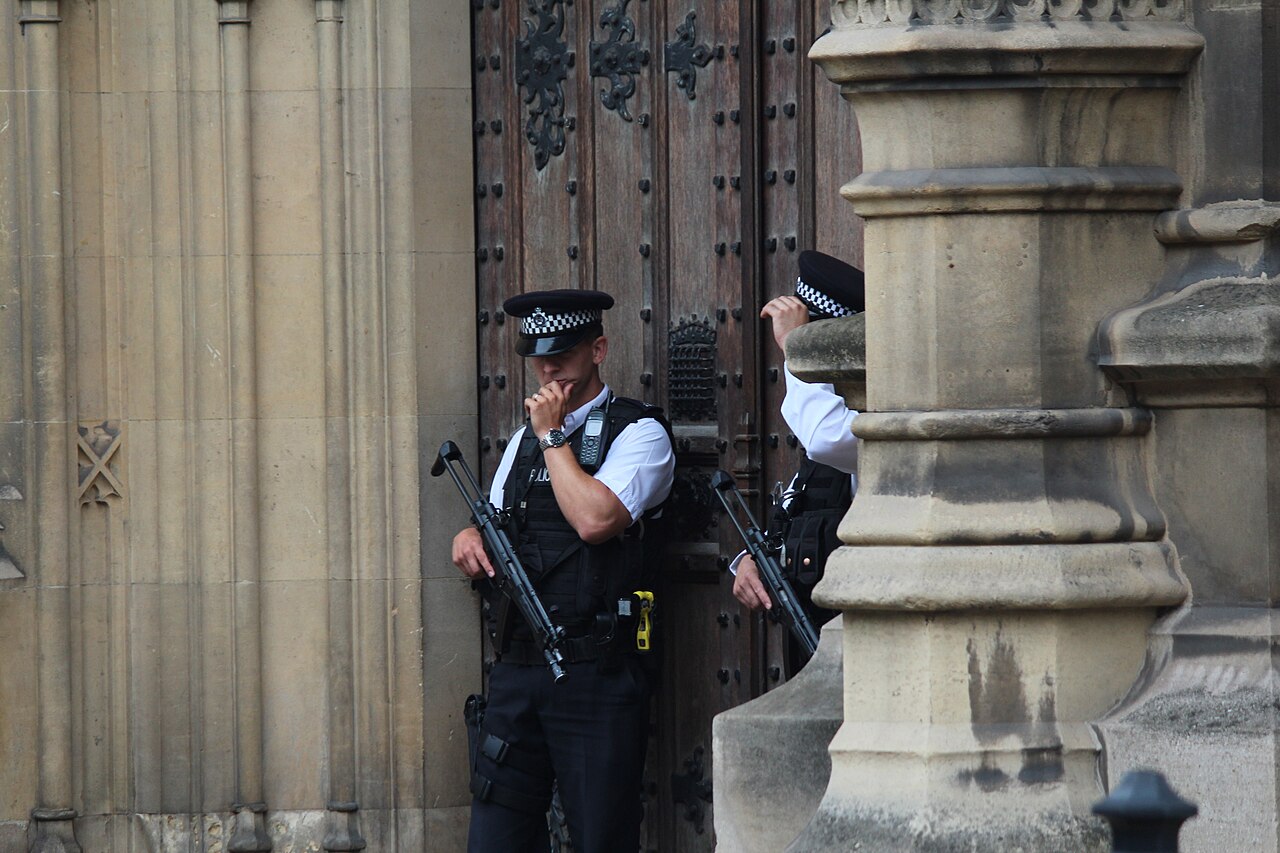
More than 230 areas worst affected by knife crime in England and Wales are to get extra police patrols, CCTV and prevention work, Home Secretary Shabana Mahmood has announced.
The crackdown covers 27 police forces, with plans drawn up locally by police and councils, the Home Office said.
Measures will include better lighting and the redesign of public spaces to prevent weapons being hidden, alongside programmes for young people most at risk of becoming a victim or a perpetrator. Growing evidence shows that concerted action in small, targeted areas is the most effective way of driving down knife crime.
Data shared by the Home Office showed knife-enabled robbery had fallen by 23% across seven forces since the general election, with more than 3,600 fewer knife robberies reported. The seven forces had made progress by better sharing data to identify and arrest more people.
The seven are the Metropolitan Police, West Midlands, Greater Manchester, West Yorkshire, South Yorkshire, Avon and Somerset, and British Transport Police.
Overall knife crime is down by 11%, and the government has a target of halving it within a decade.
“Everyone deserves to feel safe in their community, and no young life should be blighted by knife crime,” Mahmood said.
“Targeted policing and prevention, focused on the areas where the need is greatest, is already cutting knife robberies by nearly a quarter. That means safer streets, and fewer lives lost,” Mahmood added.
Mahmood visited the West Midlands on 17 September, one of the regions receiving money through the Knife Crime Concentrations Fund.
Mahmood was joined at a local boxing gym in the West Midlands by three members of the Coalition to Tackle Knife Crime: Lynne Baird MBE, Pastor Lorraine Jones Burrell MBE and Pooja Kanda OBE.
All three have lost children to knife crime, according to the Home Office.
Pooja Kanda, founder of Justice for Ronan Kanda, said: “Having lost my son Ronan, I know the devastating consequences of knife crime. Behind every statistic is a family and community that has been changed forever.”
Faron Paul, founder and chief executive of Fazamnesty, said the £26.25m Knife Crime Concentrations Fund was an important opportunity to bring enforcement, prevention and community-led intervention together in the areas experiencing the greatest harm.
Tracey Burley, chief executive of the charity St Giles, said: “Lasting reductions will not come through enforcement alone.”