Hormuz could reopen in seven days under Iran’s plan
Iran’s foreign minister said Tehran did not accept coercion, threats or intimidation and would not surrender its sovereign rights under pressure.
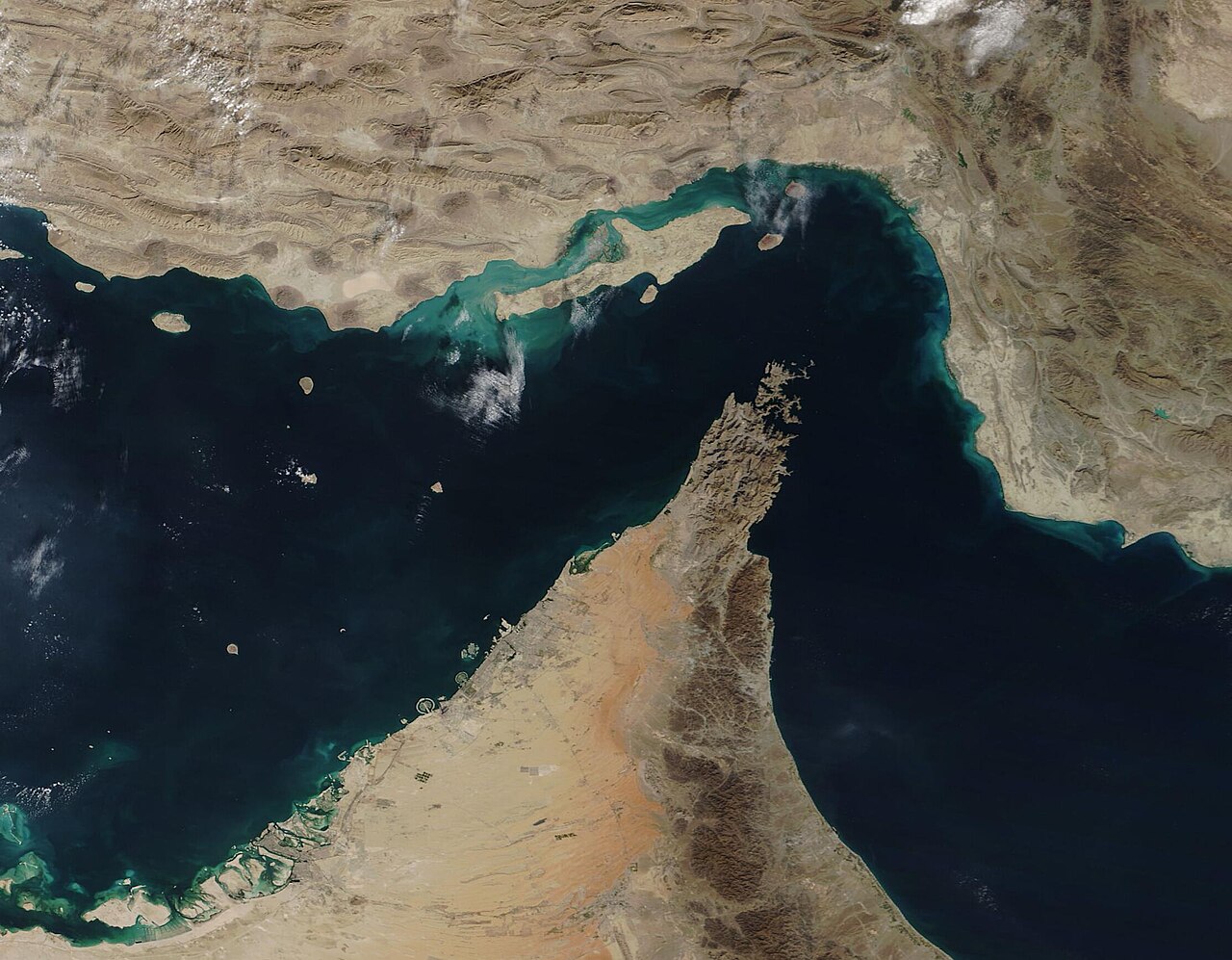
Iran has sent the United States a “concrete” plan under which the Strait of Hormuz could be reopened in seven days, Foreign Minister Abbas Araghchi has told reporters at the UN in New York.
Speaking on 25 September, Araghchi said the plan had gone to Washington through Qatar and that normal maritime passage could be restored within that time if the necessary conditions were met.
“The choice now rests with the United States,” the foreign minister added.
Washington had not given a public response to the plan when Araghchi spoke.
On 22 September, the foreign minister had met US President Donald Trump’s envoy, Steve Witkoff, for talks on the sidelines of the UN General Assembly.
Araghchi did not spell out in public what Iran wanted the US to do, but said those actions were not new and were all already in the memorandum of understanding agreed in June.
What was in the June memorandum?
The memorandum, whose text US officials read out to reporters in June, matched a version Iran’s government released the following day.
By signing it, the US, Iran and “their allies in the current war” declared “the immediate and permanent termination of military operations on all fronts, including in Lebanon”.
The US was to begin removing its naval blockade and any “disturbances or impediments” against Iran as soon as the memorandum was signed, and to end the blockade fully within 30 days.
Iran, in turn, undertook to use “its best efforts for the safe passage of commercial vessels” from the Persian Gulf to the Sea of Oman and back, “with no charge for 60 days only”.
Tehran also agreed to hold talks with Oman, in discussion with other Persian Gulf states, on how the Strait of Hormuz would be run in future. Those talks were to be in line with international law and “the sovereign rights of coastal states” of the strait.
Iran affirmed in the text that it “shall not procure or develop nuclear weapons”.
The US undertook, with regional partners, to draw up a plan worth at least $300bn for Iran’s reconstruction and economic development.
The two sides gave themselves a maximum of 60 days, extendable by mutual consent, to reach a final deal. The memorandum broke down within weeks.