UK summons Iran’s ambassador, sanctions IRGC counterespionage head
Ruhollah Bazghandi and Shahram Ali Reza Tamarzadeh Jakki face an asset freeze, a travel ban and director disqualification.
The UK has summoned Iran’s ambassador and sanctioned two Iranian nationals, one of them the head of counterespionage operations within the Islamic Revolutionary Guard Corps (IRGC), the Foreign, Commonwealth & Development Office (FCDO) said on 12 October.
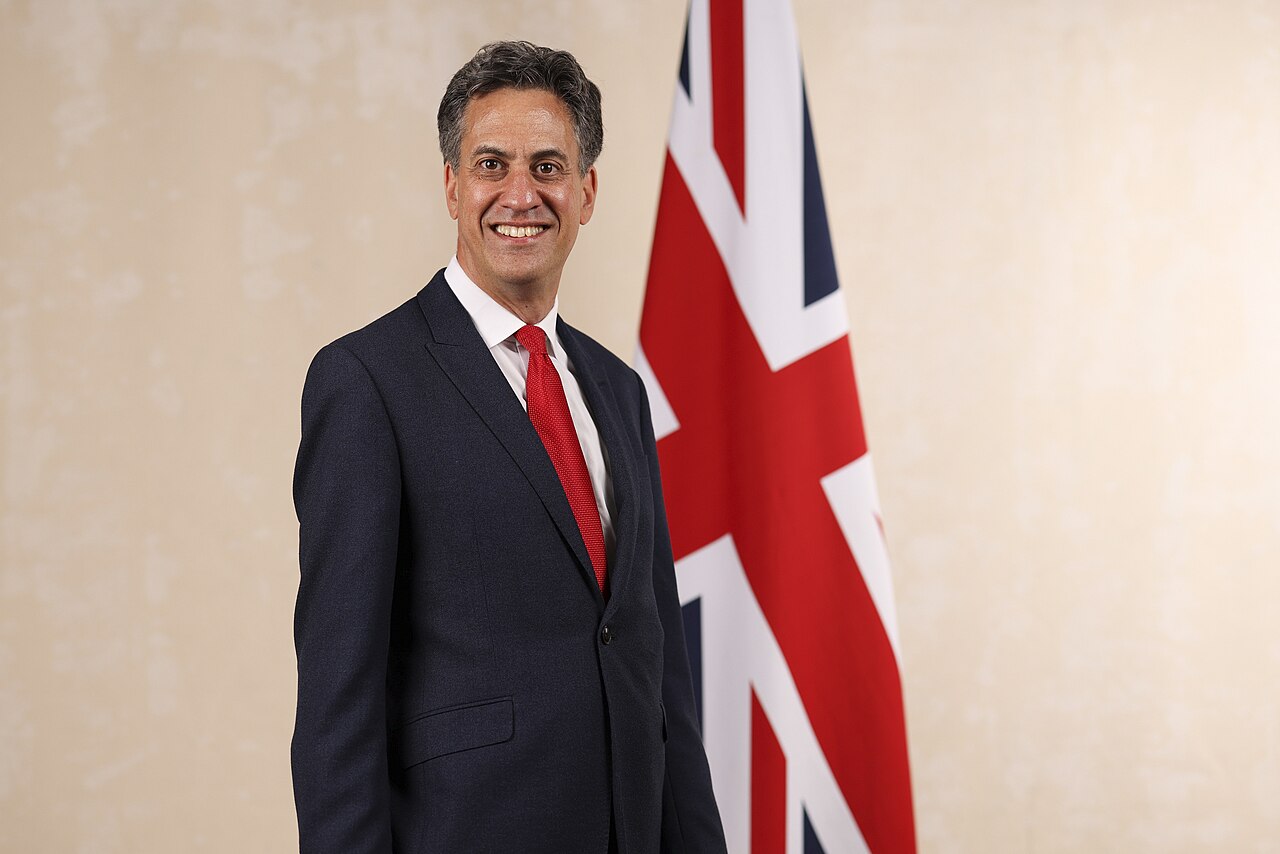
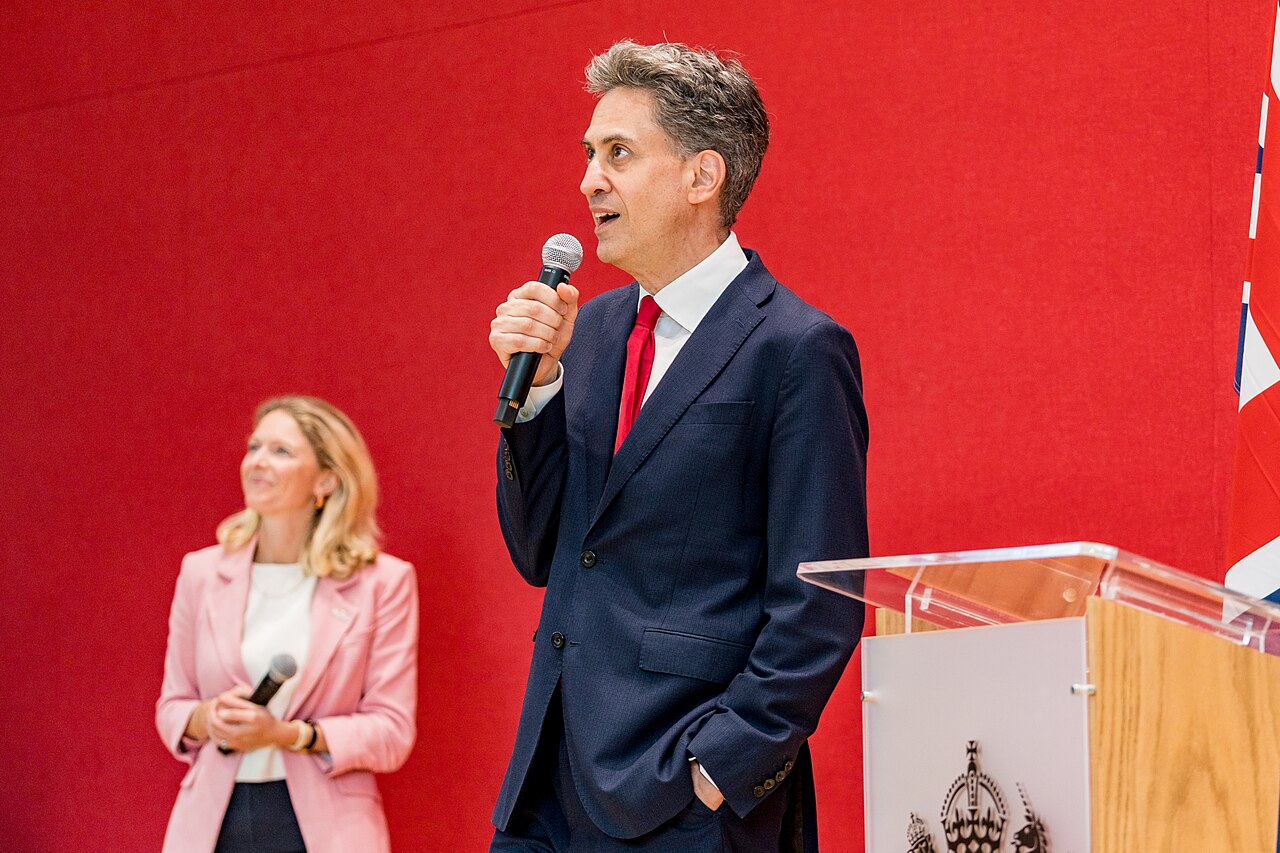
“As we have repeatedly made clear to Iran, Britain will not tolerate threats on our soil,” Foreign Secretary Ed Miliband said in the FCDO statement. Miliband called Iran’s “continued attempts to undermine the security of the United Kingdom” unacceptable.
The summons was carried out by Stephen Doughty, the Minister for the Middle East, according to the FCDO’s notes to editors. The ambassador was told the UK would not tolerate “intimidation, threats or hostile activity by Iran”, and that the UK called on such behaviour to cease immediately.
The two people designated are Ruhollah Bazghandi, the IRGC official, and Shahram Ali Reza Tamarzadeh Jakki, whom the notes describe as a facilitator of the Zindashti criminal network “involved in several plots against Iranian dissidents”. Miliband said the designations were for their role in “facilitating or engaging in hostile activity on behalf of the Iranian regime”.
Both are now subject to an immediate asset freeze, a travel ban and director disqualification, made under the 2023 Iran Sanctions Regulations. The asset freeze bars any UK citizen, or any business in the UK, from dealing with their funds or economic resources, and the travel ban means they must be refused leave to enter or remain in the UK.
The notes also say the UK has sanctioned the IRGC “in its entirety” and more than 550 Iranian individuals and entities as part of a wider set of measures against the Iranian regime.
The notes add that the UK identified at least 15 credible Iranian-backed threats to kill or kidnap individuals in the UK between 2022 and 2023, and that in 2025 this had risen to more than 20.
In a joint statement published the same day, the foreign ministers of 32 countries, the United Kingdom among them, condemned “in the strongest terms Iran’s use of violent attacks”, including lethal plotting, arson, sabotage, cyber-attacks and other hybrid activities.
The ministers recognised the UK’s attribution of Iran’s involvement in the incident at RAF Fairford on 27 September. The statement did not describe the incident. It said the UK has also concluded that the event demonstrates the IRGC’s continued willingness to project hostile activity beyond its borders through covert networks and proxy actors.
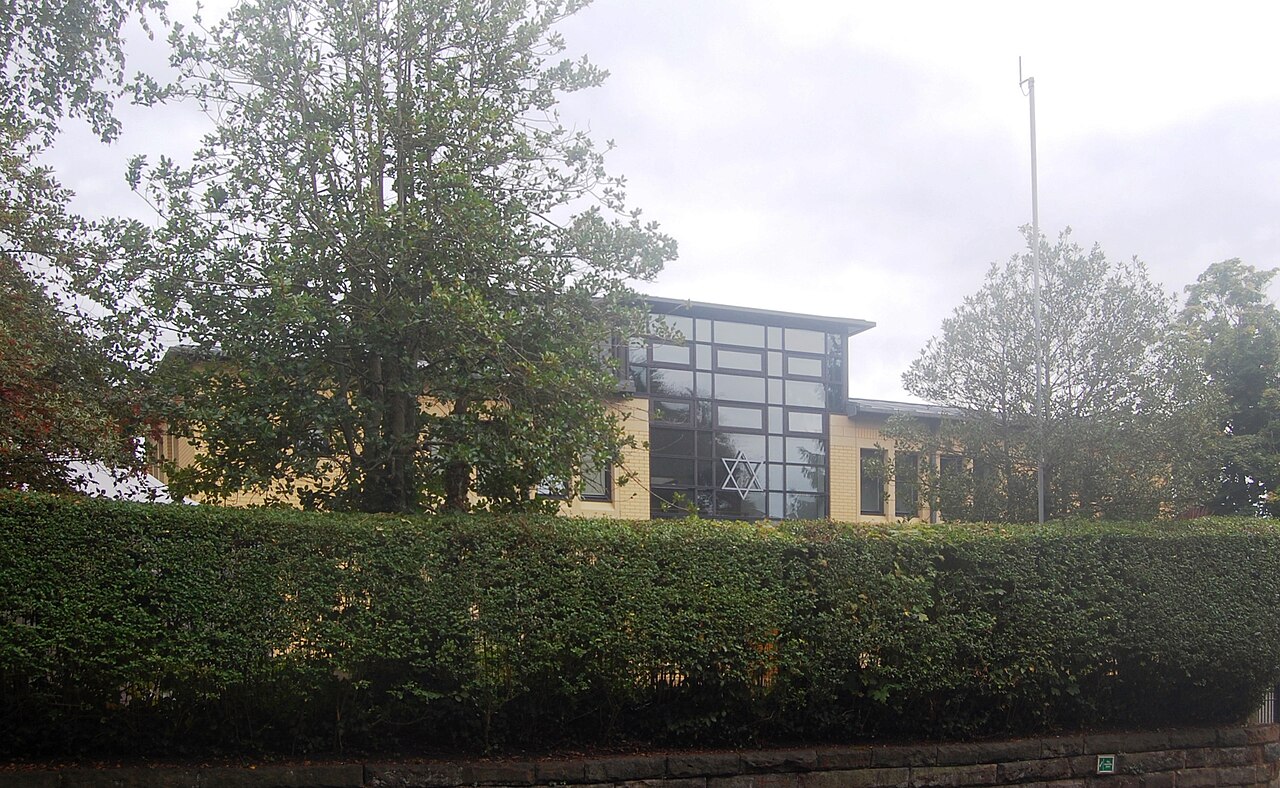
The statement also noted that this came soon after the recent campaign of attacks across Europe targeting Jewish communities, Iranian journalists and US interests, claimed by a group it named as Harakat Ashab al-Yamin al-Islamiya (HAYI). Neither statement carried a response from Iran.