Warrants used to search Andrew Mountbatten-Windsor’s homes were unlawful
Thames Valley Police is still asking a judge to let it keep the seized material, and its misconduct investigation continues.
The warrants used to search two of Andrew Mountbatten-Windsor’s homes in February were unlawful, a High Court order dated 8 October 2026 states, after Thames Valley Police accepted the point.
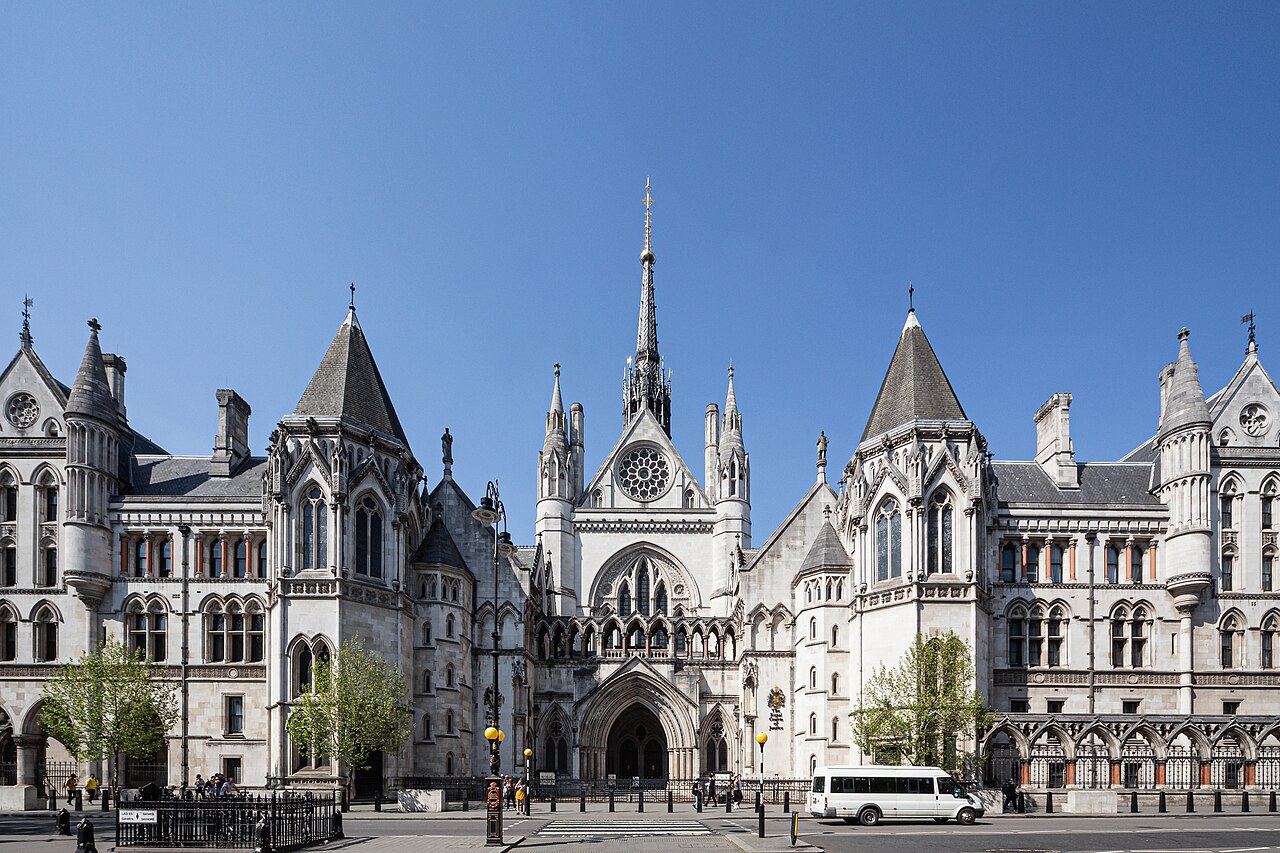
Mr Justice Hilliard, sitting at the Royal Courts of Justice in London, wrote in his reasons for the order that “a significant error was made in the application for and grant of the search warrants” under section 8 of the Police and Criminal Evidence Act 1984.
A judge at the Central Criminal Court issued the warrants on 18 February 2026. They were carried out the next day at Wood Farm, Sandringham, and Royal Lodge, Windsor, where Thames Valley Police took documents and electronic devices.
Under section 8, a judge must be satisfied that there are reasonable grounds for believing the material sought does not include items covered by legal privilege or what the law calls special procedure material.
Shortly after Mountbatten-Windsor’s claim was issued on 18 May 2026, the force conceded that the judge could not properly have been satisfied of that. The order gives two reasons: the application itself expected privileged material, and the material was likely, given the alleged offences, to be held by Mountbatten-Windsor, who had acquired or created it in circumstances that would make it special procedure material.
The parties agreed that a lawful warrant could only have been issued if the tests in section 9 of, and Schedule 1 to, the same Act had been met. No decision was made on that at the hearing of the application for the warrants, because the judge thought section 8 warrants were appropriate.
Mountbatten-Windsor challenged the warrants on five grounds. The force made no admissions on the other four, but its concession on the first was enough to make the warrants, the searches and the seizure unlawful.
“The fact that the search warrants were quashed does not bring the investigation to an end or mean that the whole of the investigation is unlawful,” Hilliard wrote.
What happens to the seized material is still to be decided. Thames Valley Police applied on 4 June 2026 under section 59 of the Criminal Justice and Police Act 2001, which allows a judge to rule that police may keep property taken under an unlawful warrant if it could lawfully be seized under another power once returned to its owner. Mountbatten-Windsor opposes the application, which will be heard in private and will not be ready before 2027, the order says.
In a statement reported by the BBC, Thames Valley Police said the agreement that led to the quashing of the warrants “is not a judgement on our ongoing investigation”, and that its investigation into alleged misconduct in public office “remains ongoing”.
Mountbatten-Windsor, who denies any wrongdoing, was arrested on 19 February on suspicion of misconduct in public office, the BBC reported.
The judicial review never came before an open court, the judge wrote, because Mountbatten-Windsor and the police agreed the warrants were unlawful without the need for a hearing. The hearing on 8 October concerned access to court documents, which will be provided with the names of police officers and staff redacted.