Sore throats normally clear up within a week without antibiotics
A Cochrane review found antibiotics bring a modest symptom reduction, and the NHS lists the signs that call for a GP, 111 or 999.
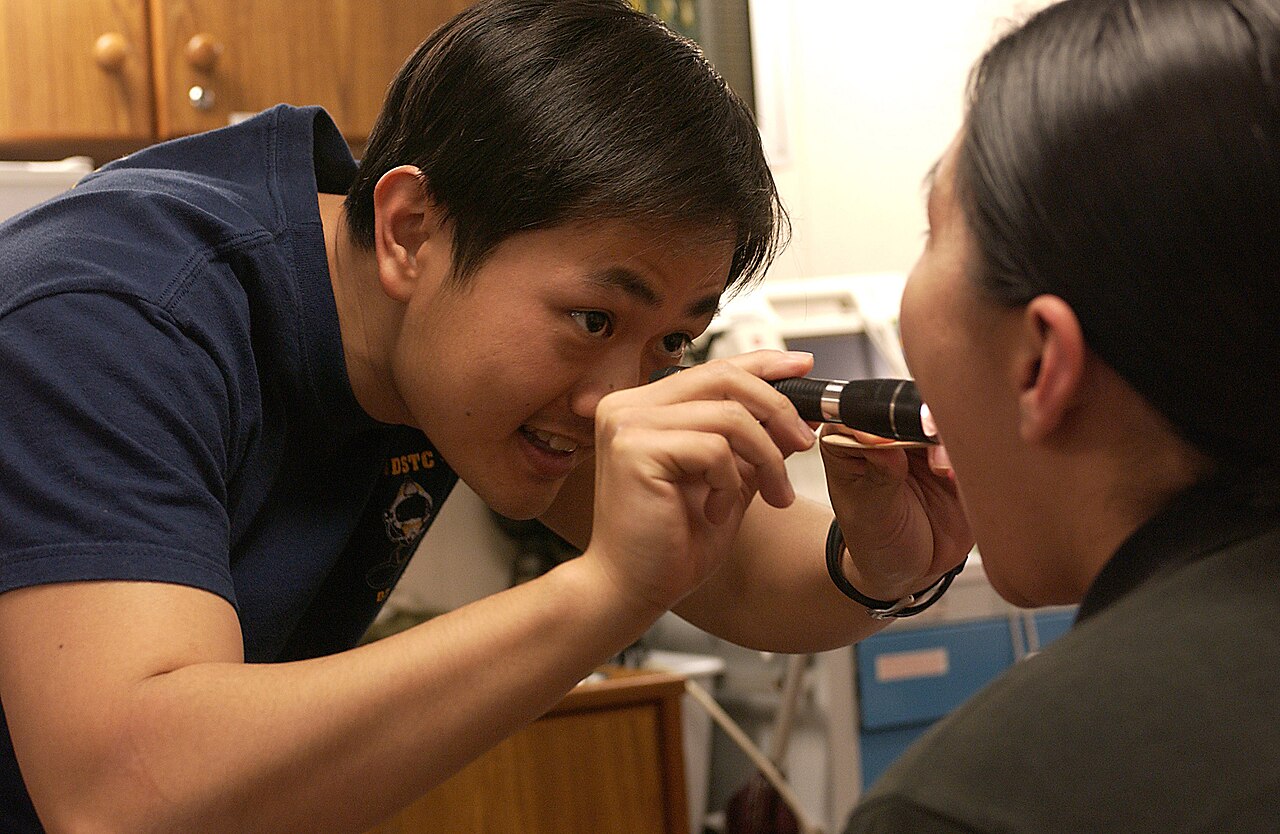
Sore throats are “very common and usually nothing to worry about”, the NHS says, and they normally get better by themselves within a week.
They are usually caused by viruses, like a cold or flu, or by smoking. Very occasionally, bacteria can be the cause.
Do antibiotics help?
People do not normally need antibiotics for a sore throat because they will not usually relieve symptoms or speed up recovery, according to the NHS.
NICE’s guideline on sore throat says most people get better within about a week without antibiotics, whether bacteria or a virus is the cause. It says symptom checklists can show who is more likely to benefit from them. For people who score 2 or 3 on the FeverPAIN checklist, it cites evidence that antibiotics make little difference to how long symptoms last, shortening them by about 16 hours on average.
A Cochrane review published in December 2021 pooled 29 trials covering 15,337 cases of sore throat. It found antibiotics probably reduced the number of people with a sore throat after three days and after one week. By one week, though, 82% of people given a placebo (a dummy treatment) or no treatment had no symptoms.
Most of the trials were run in the 1950s, when serious complications such as rheumatic fever were much more common than now, the reviewers wrote. They said it is unclear whether changes in bacterial resistance may have affected how well antibiotics work, and that “the balance between modest symptom reduction and the potential hazards of antimicrobial resistance must be recognised”.
Signs to watch for
The NHS says to see a GP if:
- a child aged under 5 years needs help for a sore throat
- a sore throat does not improve after a week
- a person often gets a sore throat
- a sore throat comes with symptoms like a lump in the mouth or neck, or a mouth ulcer that lasts for more than three weeks
It says to ask for an urgent GP appointment or get advice from 111 if a sore throat comes with a very high temperature, or the person feels hot, cold or shivery. The same applies to signs of dehydration, such as peeing less than usual, and to a weakened immune system. It also lists being worried about the symptoms.
It says to call 999 or go to A&E if a person has difficulty breathing or cannot swallow, is drooling or is making a high-pitched sound when breathing, or has severe symptoms that are getting worse quickly.
A pharmacist can give the same antibiotic treatment as a GP for a sore throat, if it is needed, the NHS says. It lists a pharmacist for children aged 5 years or over.