Magnitude 7.0 earthquake kills 16 in Tibet
Nagqu’s mayor said 12,489 people had been relocated and 18 temporary shelters set up.
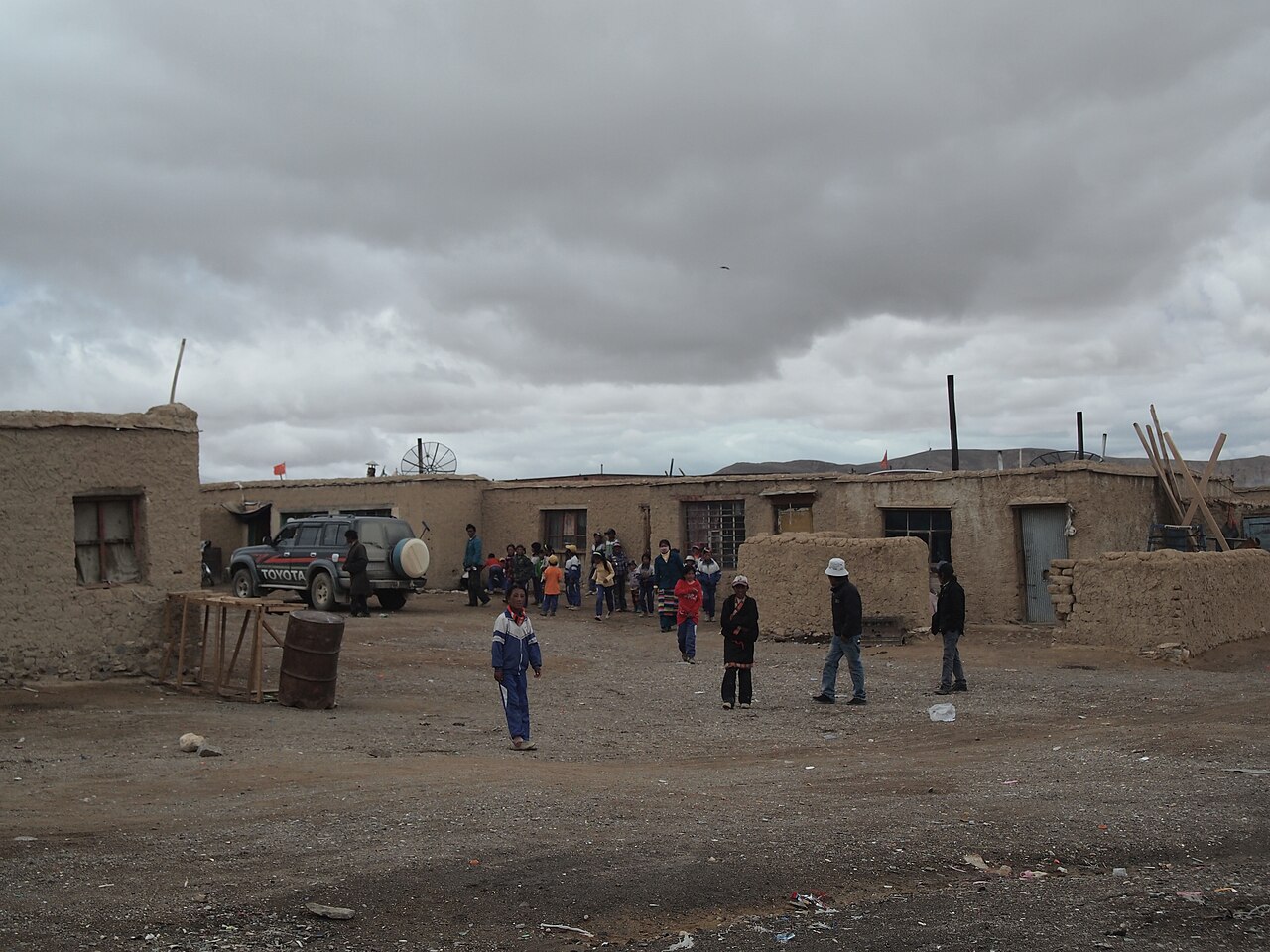
A magnitude 7.0 earthquake in Tibet has killed 16 people, the mayor of Nagqu, Dondrub, has said.
A further 76 people were injured when the quake struck Baqen County, part of Nagqu City in the Xizang Autonomous Region – the Chinese name for Tibet – on the night of 22 October, the Xinhua news agency reported.
The US Geological Survey recorded the earthquake at a depth of 18km, about 191km east-north-east of Nagqu.
In its impact estimate, the survey said the population in the region lives in structures that are vulnerable to earthquake shaking, though resistant structures exist. It named adobe block and unreinforced brick with mud construction as the predominant vulnerable building types.
President Xi Jinping ordered all-out search and rescue efforts for the missing and prompt medical treatment for the injured, according to a report on the Chinese government’s English-language website. Xi noted the area’s high altitude and low temperatures and stressed the need to monitor seismic activity and weather to prevent secondary disasters.
Rescue and relief
The Ministry of Emergency Management said it had raised the national earthquake emergency response from Level IV to Level III, the third highest of its four levels, and that a work team had been sent to the quake-hit area.
The national fire and rescue force sent 350 rescuers and 83 vehicles, the ministry said. Relief supplies sent from central, regional, city and county levels included 1,000 prefabricated housing units and 3,239 tents.
Dondrub told a news conference on 23 October that authorities had set up 18 temporary shelters and relocated 12,489 people, and that 339 households had homes that collapsed or were damaged.
Dondrub told a news conference that authorities had set up 18 temporary shelters and relocated 12,489 people. Dondrub said 339 households had homes that collapsed or were damaged.
Meng Linghe, the county’s Party secretary, said the affected area averages nearly 4,800m (about 15,700ft) in elevation. Authorities in Nagqu warned that aftershocks and secondary disasters remained major risks, with landslides, slope collapses and falling rocks the main geological hazards.
The Xizang Communications Administration said the earthquake knocked 628 mobile base stations offline, 8.5% of the city’s total, and that all had been restored by 23 October.
The epicentre lies in the Changtang block of the Qinghai-Tibet Plateau, which has had six earthquakes of magnitude 7 or above since 1900, including this one, China Daily quoted experts at the China Earthquake Networks Center as saying. The largest was a magnitude 7.5 earthquake in Shuanghu on 8 November 1997.
Nagqu’s weather observatory warned that intermittent snow showers and strong winds could affect the area for three days from 23 October, adding to the risks for rescue and transport operations.