Nobel medicine prize goes to light switch for nerve cells
Hegemann and Nagel found the protein behind optogenetics in a single-celled alga that swims towards light, in the early 2000s.
Karl Deisseroth, Peter Hegemann and Georg Nagel have won the 2026 Nobel Prize in Physiology or Medicine for optogenetics, a method that switches nerve cells on and off with light, the Nobel Assembly said.
The Nobel Assembly at Karolinska Institutet announced on 5 October 2026 that the prize was for “discoveries concerning light-gated ion channels and optogenetics”. The prize is worth 12 million Swedish kronor, to be shared equally.
Deisseroth works at the Howard Hughes Medical Institute and Stanford University in the USA. Hegemann is at Humboldt University of Berlin and Nagel at the University of Würzburg, both in Germany.
Optogenetics lets researchers show how nerve cells shape memories, feelings and behaviours in the living brain. In the 20th century, the methods available could not prove that a specific type of nerve cell directly caused a certain feeling or behaviour.
Per Svenningsson, chair of the Nobel Committee for Physiology or Medicine, said: “Optogenetics provides opportunities for mapping the brain in a way that we could once only dream of.”
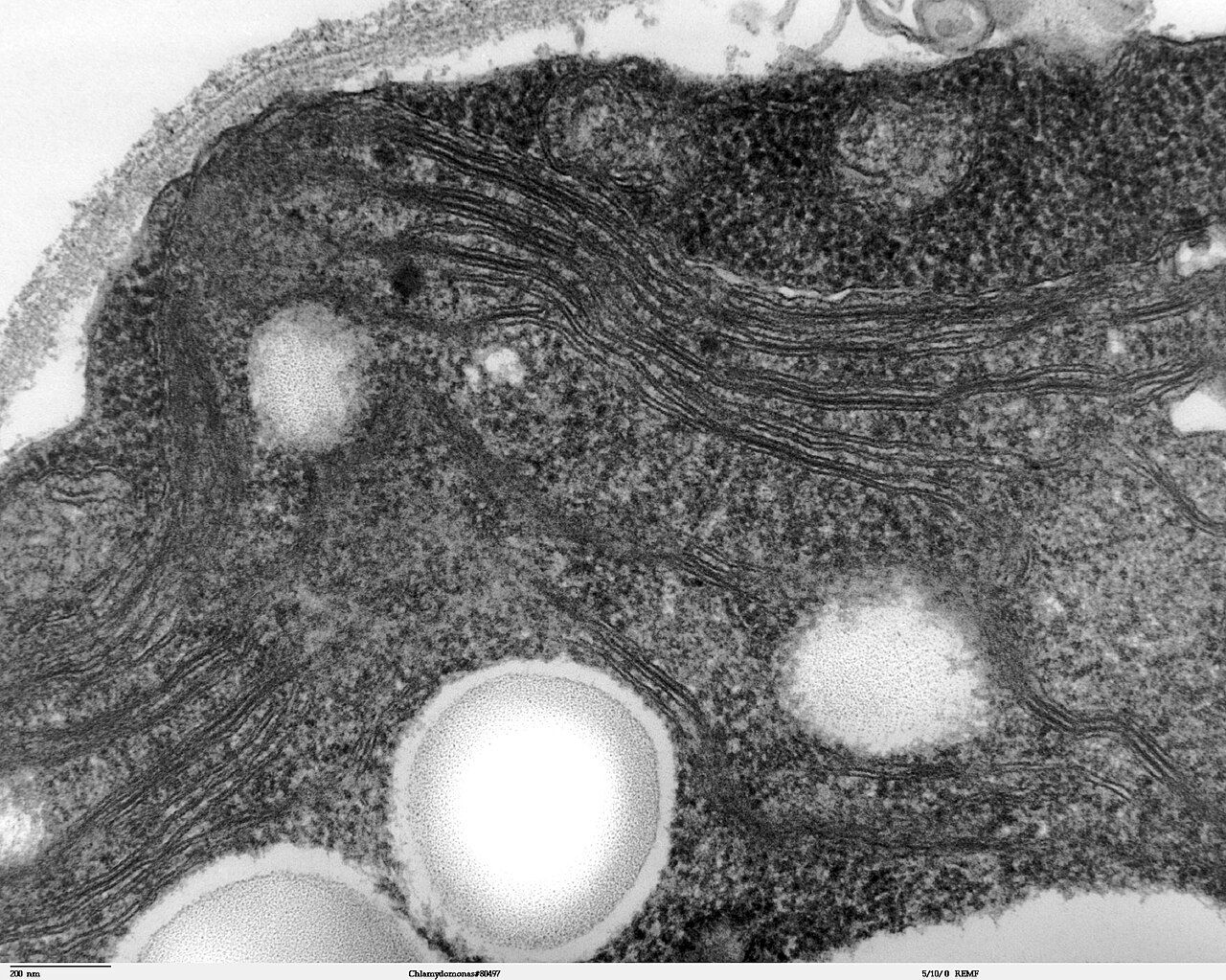
The assembly’s popular-science account traces the work to Hegemann’s curiosity about how Chlamydomonas, a single-celled green alga, swims towards light. Using tiny electrodes, Hegemann measured an electrical impulse just half a millisecond after light reached the alga’s eyespot.
In the early 2000s, Hegemann and Nagel discovered channelrhodopsin, a protein on the surface of the algal cell. When blue light hits it, a channel opens and charged ions flow into the cell, creating an electrical impulse. The pair introduced the gene into embryonic human kidney cells and hamster kidney cells, which became light sensitive, and published the results in 2003.
Deisseroth, who had written to Nagel to ask for the DNA, introduced the gene into rat nerve cells and triggered a nerve signal with blue light, a result published in 2005. Two years later, the Stanford group made the light-controlled switch work in the brains of living mice, controlling movements of the mouse whiskers.
In a 2012 experiment with Susumu Tonegawa, a 1987 Nobel laureate, Deisseroth reactivated the nerve cells that appeared to form a memory of fear in mice, and the animals showed signs of fear although they were not in danger. The assembly describes it as the first experiment in which researchers could demonstrate exactly which nerve cells are necessary for a specific memory.
Researchers have also taken first steps towards using optogenetics as a treatment, the assembly’s account says. In ongoing clinical trials aimed at vision lost to retinitis pigmentosa, a disease that destroys the eye’s rods and cones, a blind person who was given a channelrhodopsin-like protein in the retina regained some vision and, using special glasses that emit light, could discern and grasp objects on a table.