Fabric cover more than triples strawberry yields in tunnel field tests
North Carolina State University said Plant Armor began as a spinoff of work on military uniforms.
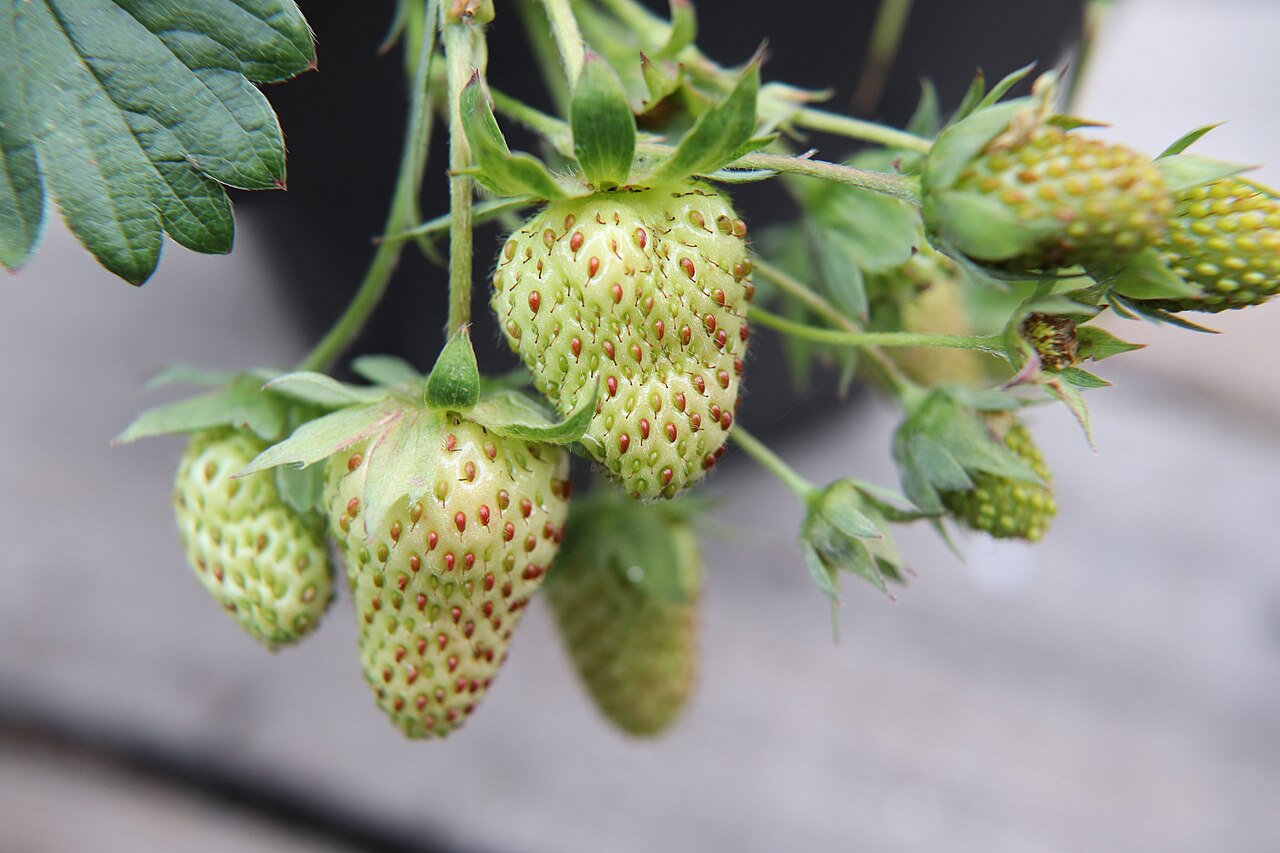
A knitted fabric draped over strawberry plants more than tripled yields in tunnel field tests, North Carolina State University has said.
The cover, called Plant Armor, has a three-dimensional structure that, the release says, keeps insects from reaching the plants beneath, while its layers let sunlight, rain and airflow through. The paper was published in the journal Agriculture on 24 September 2026, and the university issued its news release on 29 September.
The researchers chose strawberries because the plants grow over three seasons, from autumn to spring, and single-layer textiles are used to protect their flowers and fruit from freezing.
The release puts the gain at “as much as 3.56 times”. In the abstract, which the university reproduced with its release, covered plants gave a 3.56-fold increase in harvestable fruit, and the number and weight of berries were both significantly higher than on uncovered plants, with no difference in vegetative plant biomass.
Gabriel Olawuyi, a graduate research assistant at North Carolina State University and lead author of the paper, said the team had expected the “seemingly opaque fabric” to shade the plants and trigger a “shade-avoidance” response, shifting growth towards stems and leaves rather than fruit.
“However, we found the fabric did not impede access to light at all, and fruit production increased significantly.”
The cover also warmed the plants consistently over the three seasons, while relative humidity did not differ between covered and uncovered plots. Olawuyi said the extra warmth helped the plants reach the fruiting stage earlier.
“Plants require a certain amount of accumulated heat, calculated as ‘growing degree-days,’ to progress through developmental stages including fruiting. Our plant cover has proven to enhance these,” Olawuyi said.
In laboratory bioassays, the abstract says, the fabric achieved absolute aphid exclusion even though it is porous to air and water.
Co-author R. Michael Roe, a William Neal Reynolds Distinguished Professor at North Carolina State University, said Plant Armor was created as a spinoff of efforts to make military uniforms resistant to mosquito bites and more comfortable when wearing body armour.
“The path to Plant Armor started with trying to make a cloth to go on a soldier’s chest to make body armor more comfortable,” said Roe.
The release said the cover could also significantly reduce water and pesticide usage in strawberry fields, but the abstract it reproduces reports no measurements of water or pesticide use. The Plant Armor Gen 2 fabric studied in the paper was patented by the university (US Patent No. 11,582,968 B2; 21 February 2023) and is licensed by it for commercial development.
The authors say on-farm testing is now needed to examine how useful the textile would be for a variety of crop plants in different geographical locations.