NASA’s Swift observatory ends its science mission
Over its career the observatory studied more than 2,000 gamma-ray bursts and left an archive of about 12 terabytes, NASA says.
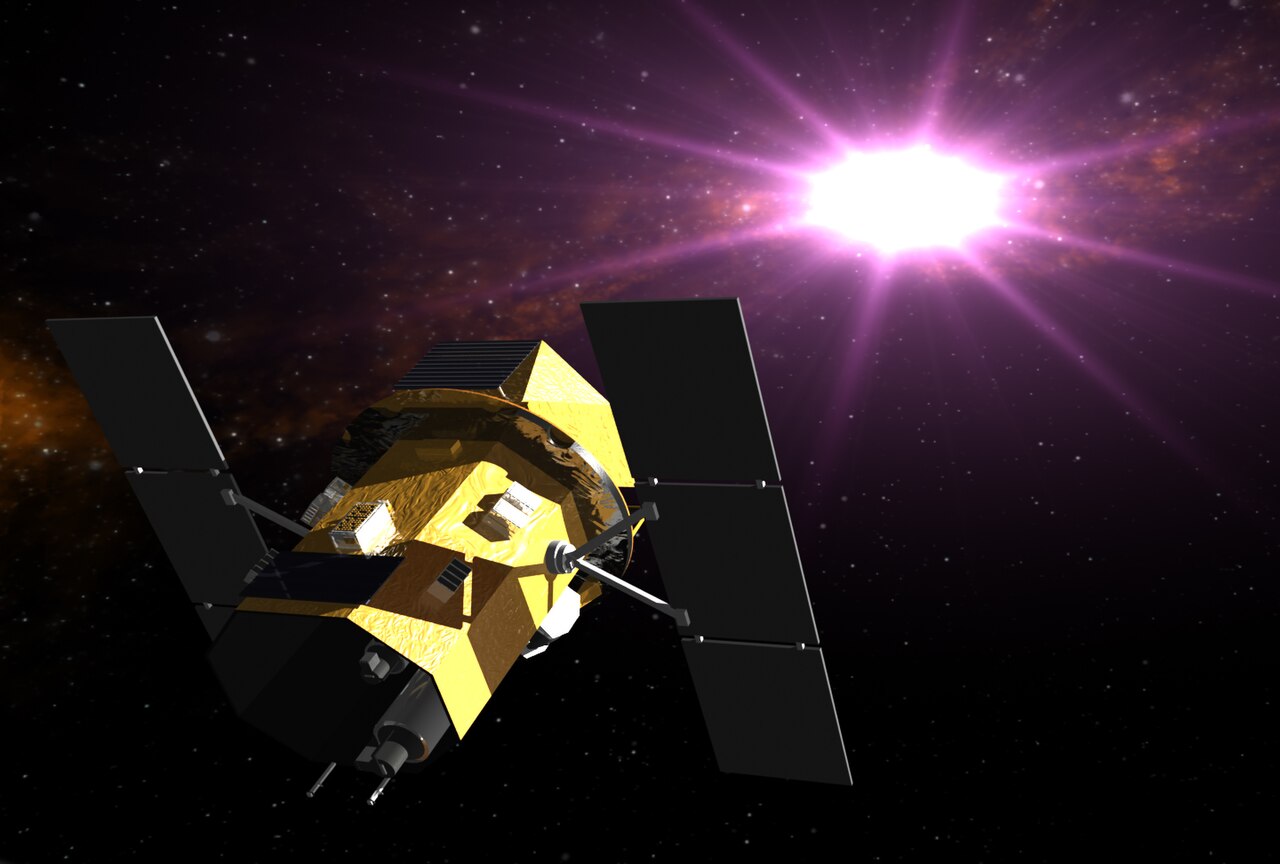
NASA’s Neil Gehrels Swift Observatory has ended its science mission now that it orbits less than 171 miles (275 kilometres) above Earth’s surface, the agency said on 23 October.
Greater atmospheric drag at that height stops the satellite’s telescopes from gazing steadily at their targets. Swift made its final observation on 20 October and is expected to re-enter the atmosphere in the weeks after the 23 October announcement.
Shawn Domagal-Goldman, director of the Astrophysics Division at NASA Headquarters in Washington, said Swift “delivered an incredible, lasting return on investment for the nation, designed for a two-year primary mission but productive for more than 10 times as long”.
Swift has observed more than 2,000 gamma-ray bursts, which NASA describes as the most powerful explosions in the cosmos, and studied more than 1,400 supernova explosions. It also witnessed stars shredded by black holes, monitored active galaxies, conducted an all-sky X-ray survey and studied asteroids and comets.
Its data has contributed to about 7,000 published scientific papers.
A telescope that turned in about a minute
S. Bradley Cenko, the mission’s principal investigator at NASA’s Goddard Space Flight Center in Greenbelt, Maryland, said: “Swift was designed as a satellite dedicated to studying gamma-ray bursts, outbursts that came and went so quickly that no one could target them with large telescopes to learn more.”
Swift had to detect and locate a burst, pass its position to other observatories and swing its telescopes round to image the spot before the afterglow faded. “This typically took Swift about a minute to do,” Cenko added.
Speed mattered most for short gamma-ray bursts, which reach peak brightness in less than two seconds. In May 2005, Swift observed GRB 050509B, a burst that lasted 0.03 seconds. The spacecraft turned fast enough to detect 11 X-ray photons, which made it the first short burst with a detected afterglow, the agency says.
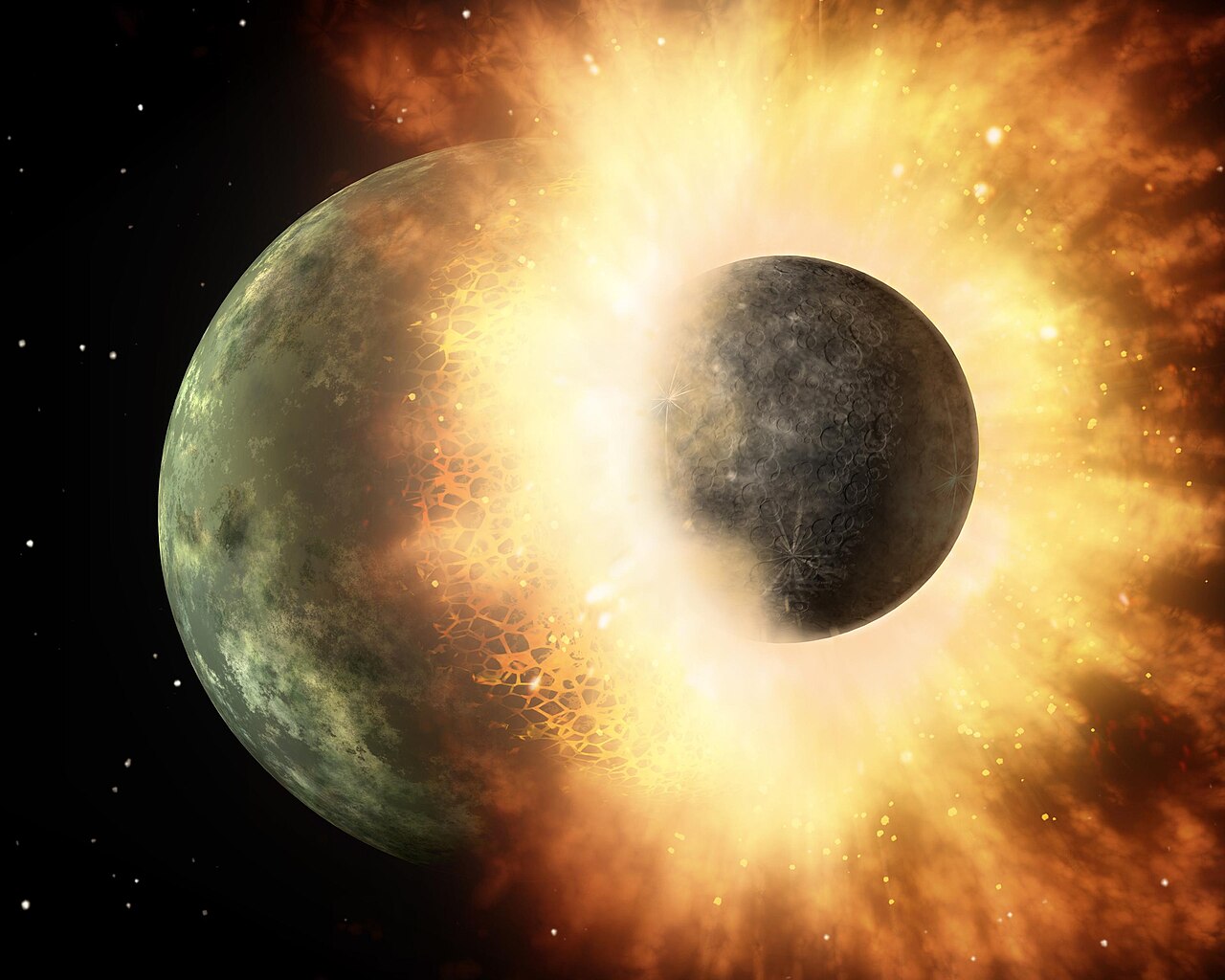
Those observations validated long-standing theoretical models, showing that short gamma-ray bursts likely come from mergers of two neutron stars.
The mission launched into orbit on 20 November 2004 and went to work the following month. In 2018, NASA renamed it to honour Neil Gehrels, its first principal investigator, who had died.
The Swift archive contains nearly 22 years of brightness measurements of cosmic outbursts, multiwavelength spectra and more than 1.5 million images from its Ultraviolet/Optical Telescope. The full dataset is publicly available and spans approximately 12 terabytes, which NASA equates to about 600 high-definition movies.
Domagal-Goldman said NASA is “exploring our ability to use and augment NASA’s fleet of existing space telescopes” to support rapid response to cosmic events in a “post-Swift world”. The release does not name a replacement mission; NASA says it will use current missions to help fill the gap in the meantime.