The Moon averages 238,855 miles away and is slowly moving further
If Earth were a basketball, the Moon would be a tennis ball 23 feet 9 inches away, according to a NASA scale model.
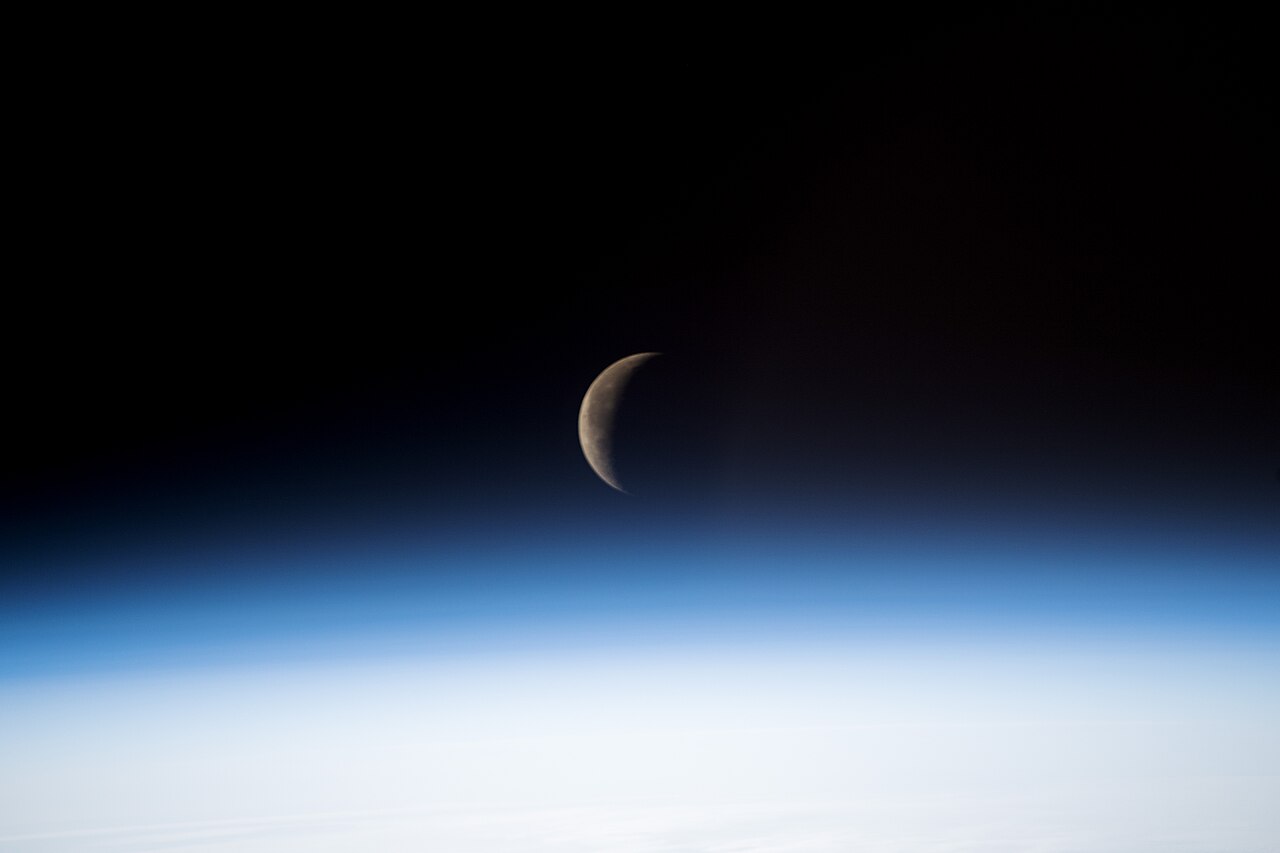
The Moon is an average of 238,855 miles (384,400km) from Earth, and it is slowly moving further away, NASA says.
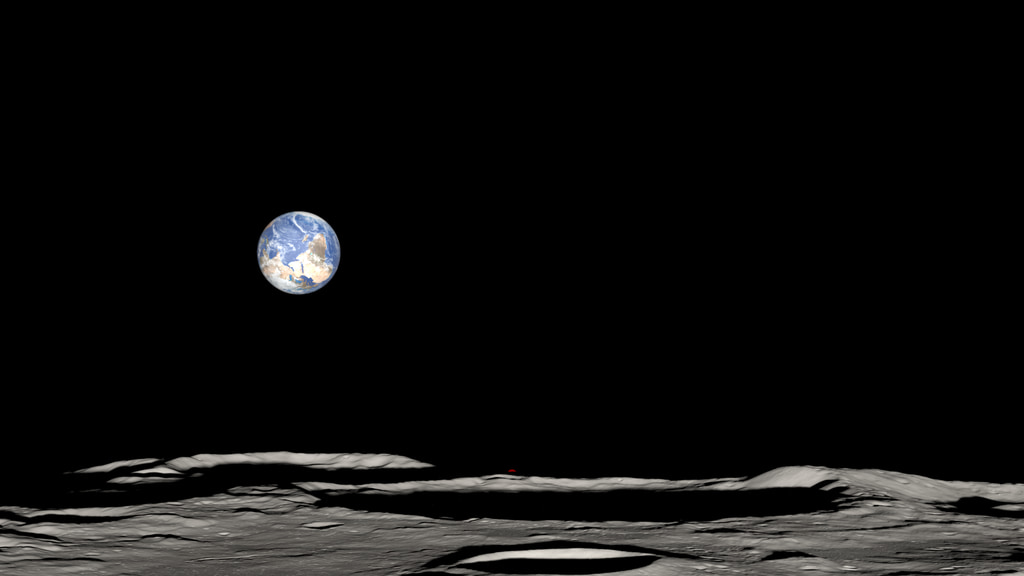
NASA says 30 Earth-sized planets could fit in the space between Earth and the Moon. It gives the Moon a radius of about 1,080 miles, which makes it less than a third of the width of Earth.
The distance is not fixed because the Moon’s orbit is not a perfect circle, NASA’s Space Place says. At its furthest the Moon is 251,903 miles from Earth, almost 32 Earths away. At its closest it is 225,309 miles away. That is between 28 and 29 Earths.
A NASA article of quick facts by public engagement specialist Preston Dyches offers a round number to remember: about a quarter of a million miles, or about 400 thousand kilometres.
The Space Place page suggests a way to picture the gap – a basketball on the ground stands for Earth, and a tennis ball placed 23 feet 9 inches from the middle of the basketball, measured with a tape, stands for the Moon. The Moon seems close because it can be seen so well without a telescope, the page says, but it is “farther away than most people realize”.
Is the Moon moving away?
Dyches’s article says astronauts on three of NASA’s Apollo missions, including Apollo 11, placed reflectors on the lunar surface that are still used to measure the Moon’s distance with extreme precision. They have revealed that the Moon is moving away from Earth by about 1.5 inches (nearly 4 centimetres) a year, it says.
NASA’s Moon facts page puts the rate at about an inch further away each year. A table on the website of the European Space Agency (ESA) gives the Moon’s mean distance from Earth as 0.3844 million km and a recession rate from Earth of 3.8cm a year.
The table carries a last-update date of 1 September 2019, and the ESA science website displays a notice saying it is under review and not being updated.