Japan launches probe to bring back samples from Mars moon Phobos
JAXA says its spacecraft is in good health after launch, with a sample capsule due to separate for re-entry in 2031.
The Japan Aerospace Exploration Agency (JAXA) launched its Martian Moons eXploration (MMX) spacecraft from the Tanegashima Space Center on 20 October, Japan time, according to a JAXA launch report.
The agency said the H3 rocket “flew as planned” and that separation of the spacecraft was confirmed about 71 minutes and 13 seconds after liftoff, when it was injected into the “predetermined orbit”.
On 21 October JAXA said it had confirmed that the critical sequence during the spacecraft’s initial operations “was successfully completed” and that the spacecraft “is in good health”.
JAXA defines the initial critical operations phase as the period from separation until a series of operations to establish spacecraft health, including deployment of the solar array paddles, three-axis attitude control and release of the medium-gain antenna hold-down mechanism.
The agency said it will now run initial functional checks of the onboard equipment while preparing for the outbound cruise phase toward the Mars system.
What the mission is for
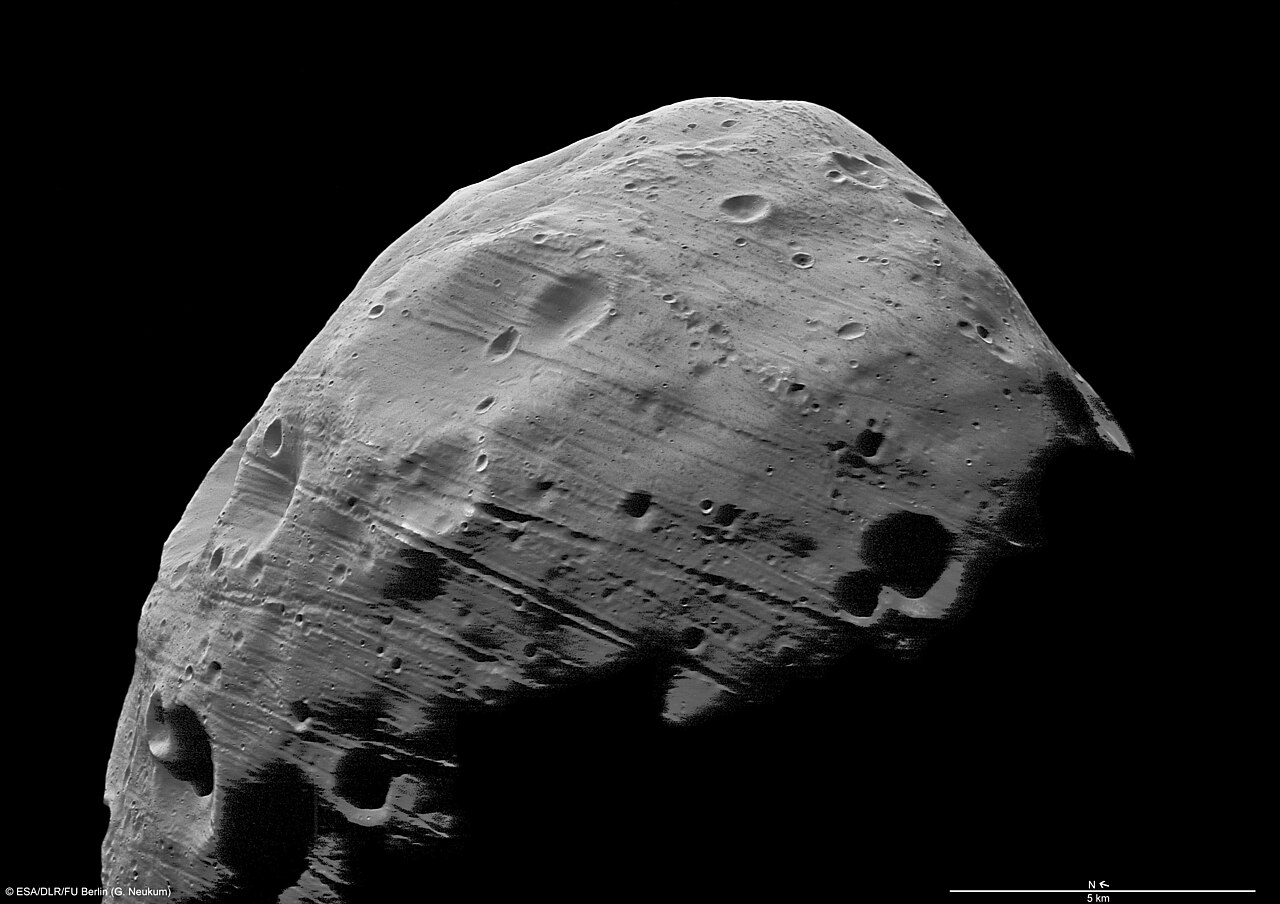
The mission’s project site calls MMX “a world-first mission led by JAXA”, and says it will collect at least 10 grams of material from Phobos, one of the two Martian moons, and bring it back to Earth.
According to the site, the spacecraft should reach the Mars area about a year after launch, then enter an orbit close to Phobos for detailed observations.
A rover is due to land on Phobos first, followed by the main spacecraft, which is to collect the sample during two soft landings.
The sample capsule is to separate for re-entry in 2031 and be recovered in Australia, the site says.
The site also sets out two hypotheses about where Phobos and Deimos came from. In the first, a giant collision scattered debris around Mars that formed the moons. In the second, the moons are asteroids from the outer Solar System captured by Mars.
Observations by the spacecraft and analysis of the returned sample are expected to clarify the moons’ origin.
Among the challenges the site lists are a communication time lag of up to 44 minutes round-trip, limited propellant and the unexplored surface of Phobos.
The mission builds on the experience of the Hayabusa2 mission to an asteroid, it adds.