NASA releases more than 800 gigabytes of Artemis II Moon data
NASA’s preliminary science report says the crew saw five extremely faint flashes from rocks striking the Moon.
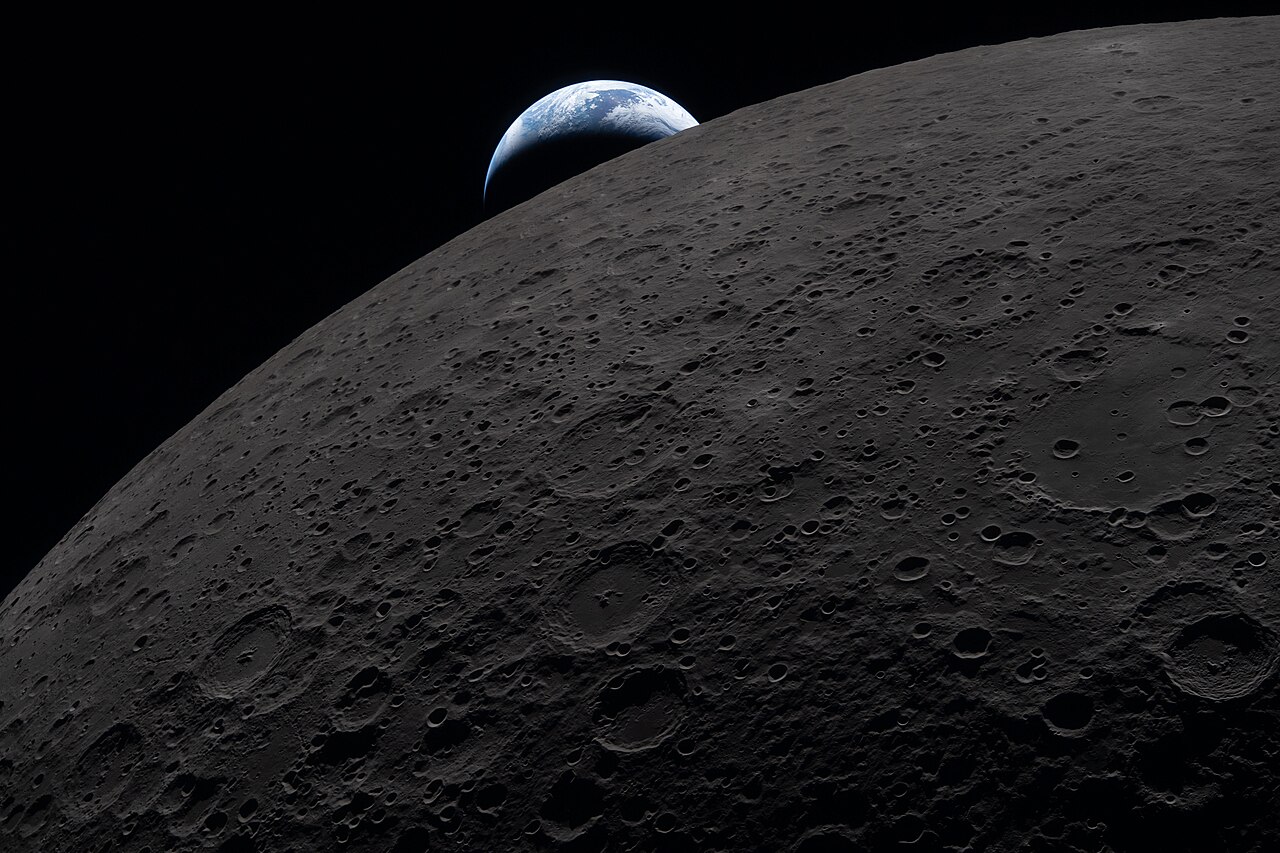
NASA has made the full lunar science dataset from its Artemis II flight available to the public, uploading more than 800 gigabytes to its Planetary Data System, the agency said on 7 October.
The release includes more than 11,000 full-resolution images and video of the Moon from the crew’s handheld cameras and the Orion spacecraft’s cameras, along with 8.5 hours of audio recordings of the crew’s scientific observations and images the astronauts annotated. NASA describes it as the first planetary science dataset captured primarily by humans in more than half a century.
NASA astronauts Reid Wiseman, Victor Glover and Christina Koch, and Jeremy Hansen of the Canadian Space Agency, flew around the Moon on 6 April 2026. They spent about seven hours taking turns at Orion’s windows and, at closest approach, came within 4,067 miles of the surface.
Flashes on the far side
The crew reported five extremely faint “pinprick” bursts of light while Orion was about 46,000 miles from the Moon. The preliminary science report says the flashes are sparked by rocky fragments hitting the lunar surface, and that the science team confirmed the sightings after ruling out cosmic rays and reflections from the spacecraft.
From the brightness, scientists estimated that each rock was no more than a couple of inches wide. Apollo astronauts saw similar flashes from lunar orbit, but the Artemis crew likely caught the faintest ever seen with the unaided eye. The sightings came during a total solar eclipse in which the Moon hid the Sun for 54 minutes, leaving ideal dark conditions for spotting such subtle bursts.
The astronauts also described subtle hues of gray, black, brown, tan, white, green and blue across the surface. Blues point to titanium-rich volcanic rocks, browns reflect varying levels of iron and greens signal glass formed during volcanic eruptions or asteroid impacts, the report says.
Looking at craters and peaks along the Moon’s edge, lit from behind by the Sun during the eclipse, Koch reacted from Orion. “You’ve got to be kidding me,” Koch, the mission specialist, said. “You can actually see mountains …”
Where to find the data
The data sit in the Planetary Data System, the public archive for NASA’s planetary missions, and NASA has set up a page for the release at go.nasa.gov/Artemis2LunarScience. Three documents came out with it: the Artemis II Preliminary Lunar Science Report, dated 7 October, the Artemis II Lunar Science Operations Report and the Artemis II Lunar Science Data User Guide.
Audio on the report page has been edited lightly for length and clarity; unedited files are in NASA’s Artemis Audio Library. NASA says the information is already helping inform its plans for Artemis III and beyond.