Blue-light glasses: what they promise – and what the evidence shows
The review covered 17 trials and 619 people, and its lead author said the findings do not support prescribing the glasses to the general population.
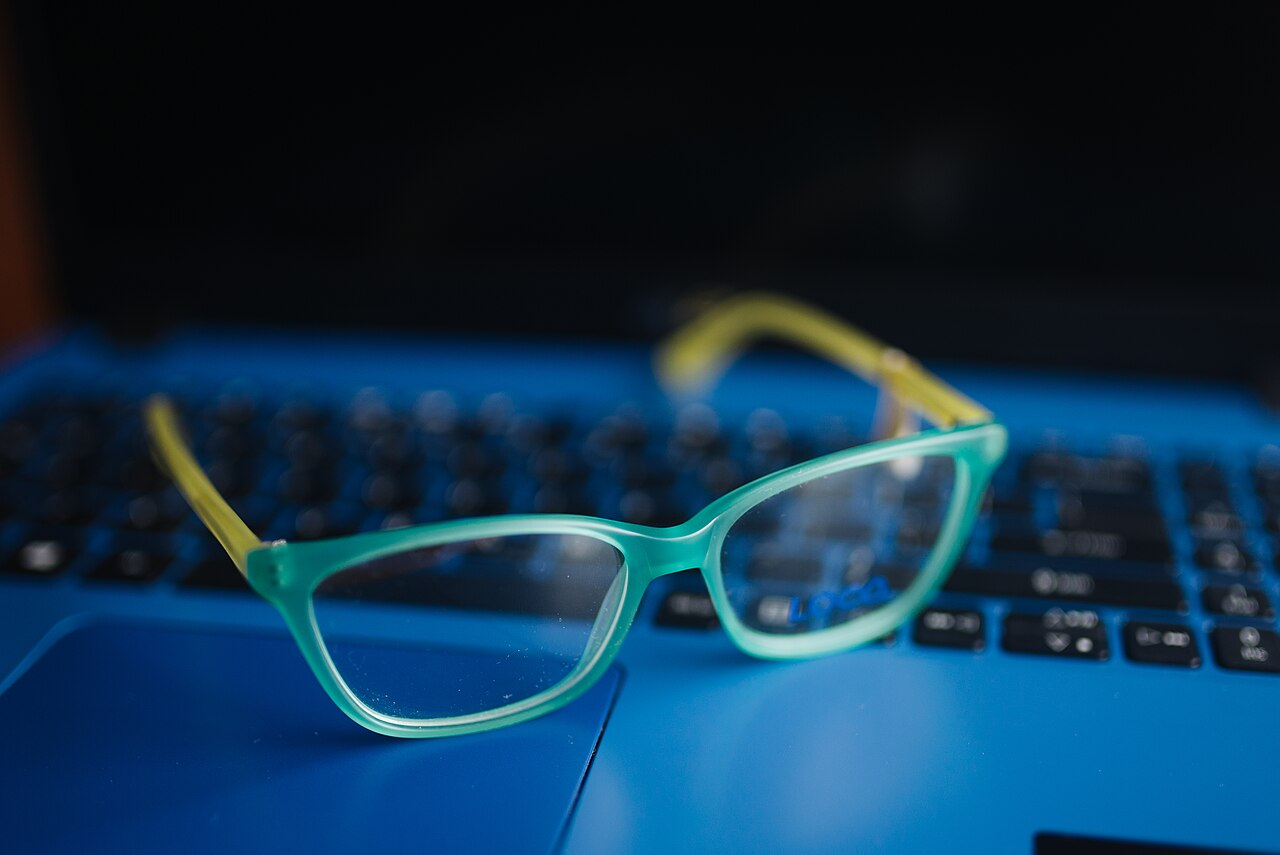
Blue-light filtering glasses are marketed on the promise that they ease eye strain from screens and help people sleep better at night. The most thorough review of the trial evidence to date has found little support for either claim, according to Cochrane, the international medical research network.
The glasses are a common sight in offices and on home desks. A 2018 survey of Australian optometrists found three in four prescribed blue-light filtering lenses to patients, despite the lack of strong evidence behind them, the Association of Optometrists said.
Cochrane’s reviewers looked at 17 randomised trials involving 619 people in six countries, including the UK.
The review’s main findings were:
- Eye strain: the glasses may bring no short-term benefit for visual fatigue from screens, compared with ordinary lenses (low-certainty evidence).
- Clear vision: probably little or no effect on how sharply people see (moderate-certainty evidence).
- Sleep: unclear. Three trials found an improvement, three found none (very low-certainty evidence).
- Eye health: no trial tested whether the lenses protect the retina long-term, so no conclusions could be drawn.
Blue light from a phone or computer screen is about a thousandth of the amount the eyes get from daylight outdoors, said Sumeer Singh, one of the review’s authors at the University of Melbourne, and the lenses tested typically filtered out only 10% to 25% of it.
Laura Downie, an associate professor at the university who led the review, said: “We found there may be no short-term advantages with using blue-light filtering spectacle lenses to reduce visual fatigue.” Downie added that the findings “do not support the prescription of blue-light filtering lenses to the general population.”
The College of Optometrists, the UK body that sets standards for the profession, said patients should be told plainly there is no strong evidence the lenses improve visual performance. Professor John Lawrenson, who assessed the findings for the college, said they confirm a position long held by eye-care organisations: that the scientific case for the glasses is lacking.
Cochrane rated most of the evidence as low or very low certainty, so new trials could still change the picture, especially on sleep and long-term eye health.
The review also found some evidence of possible harm linked to the glasses: headaches (one trial, 8%) and discomfort wearing the glasses (two trials combined, 22%). It also recorded increased depressive symptoms (one trial, 17%) and lowered mood (one trial, 5%), though similar effects occurred with ordinary lenses and the review said there was not enough data to determine the harms with certainty.
For eye strain generally, Moorfields Eye Hospital advises looking away from a screen for 20 seconds every half an hour and having an eye test every year, rather than relying on a particular lens. Anyone with eye strain or vision changes that persist is advised to see an optometrist or a doctor.
The review updates one first published in 2017 and is due to be revisited again as further trials report their results.