Cold weather can make the heart work harder
The British Heart Foundation says cold narrows blood vessels in the skin, and the extra strain can be harder for people who already have a heart condition.

Cold weather can raise the risk of heart and circulatory problems such as heart attacks and strokes, the British Heart Foundation (BHF) says.
The charity says that when people are cold, the blood vessels in the skin, fingers and toes narrow so that less heat is lost. The narrowing pushes up blood pressure and heart rate and makes the heart work harder to pump blood around the body.
The BHF describes this as a normal response to the cold, but says the extra strain can be harder for people with a heart condition, especially during exercise. Cold weather can also make blood thicker and stickier, which in rare cases can lead to blood clots and raise the risk of a heart attack or stroke.
A fall in temperature seemed to matter most
A BHF article last updated in December 2022 describes research by BHF-funded scientists at the University of Bristol and University College London on records of people aged over 60 in the UK, Ireland and the Netherlands. Heart attacks and strokes were more than twice as likely during cold spells lasting at least four days. The researchers defined a cold spell as a period particularly cold compared with the rest of the month.
A fall in temperature compared with the previous days seemed to be the biggest factor, rather than exactly how cold it was, the charity says.
Another BHF-funded study, at King’s College London, found that blood flow to the heart dropped when 42 people with chest pain breathed in cold air, in those with blocked arteries supplying the heart. The researchers suggested that people with angina caused by such blockages should avoid exercise in cold air where possible. The BHF says it was a small study and further research is needed.
What the BHF and the NHS say to do
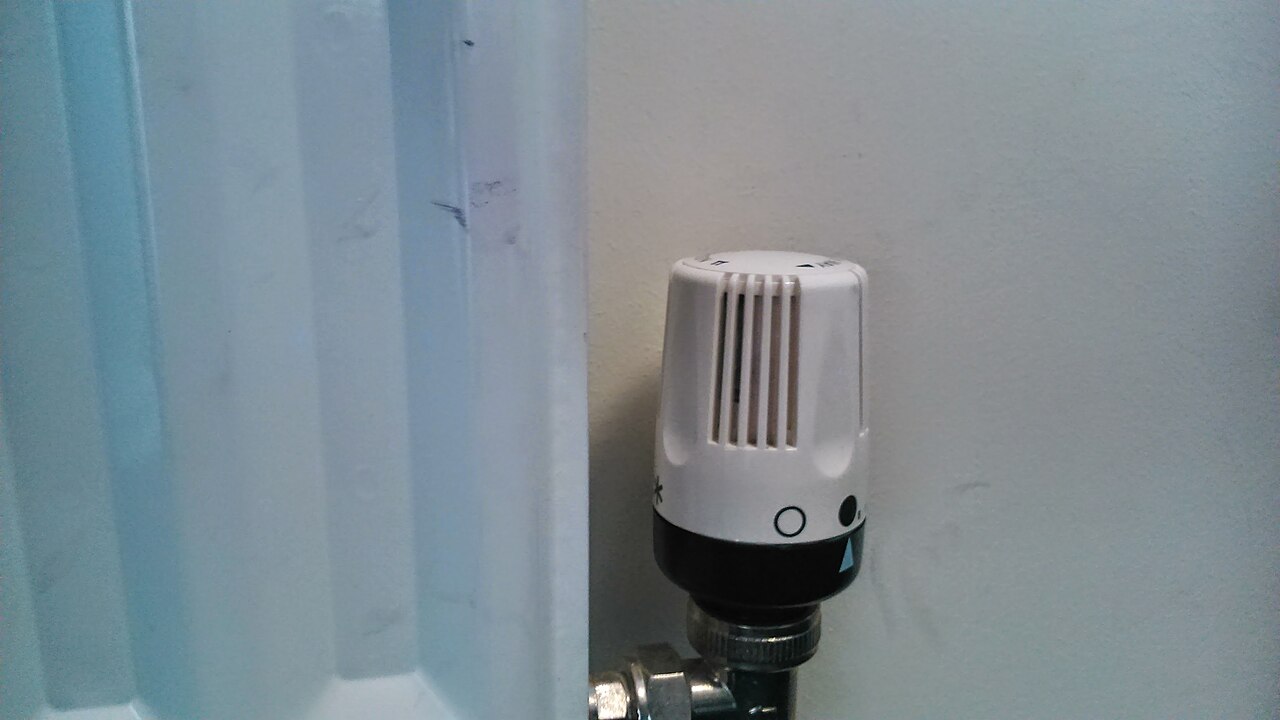
To protect the heart in cold weather, the BHF suggests keeping the room where you spend most of your time heated to at least 18C. For people with angina, it suggests a scarf wrapped loosely around the mouth and nose, which may help limit symptoms if they get worse in winter.
The NHS says a heart attack needs emergency treatment in hospital, and to call 999 for:
- chest pain that feels tight or like squeezing on the chest
- chest pain that is spreading to the arms, neck or jaw
- severe difficulty breathing – gasping, choking or not being able to get words out
- lips or skin that are pale, blue or grey
- someone who has passed out and is not responding normally
The NHS says not to drive yourself to A&E. The BHF says people can speak to one of its cardiac nurses through its helpline.