Bronchiolitis in babies: what the signs look like
The NHS lists four signs that mean calling 999 and eight that mean an urgent GP appointment or a call to 111.
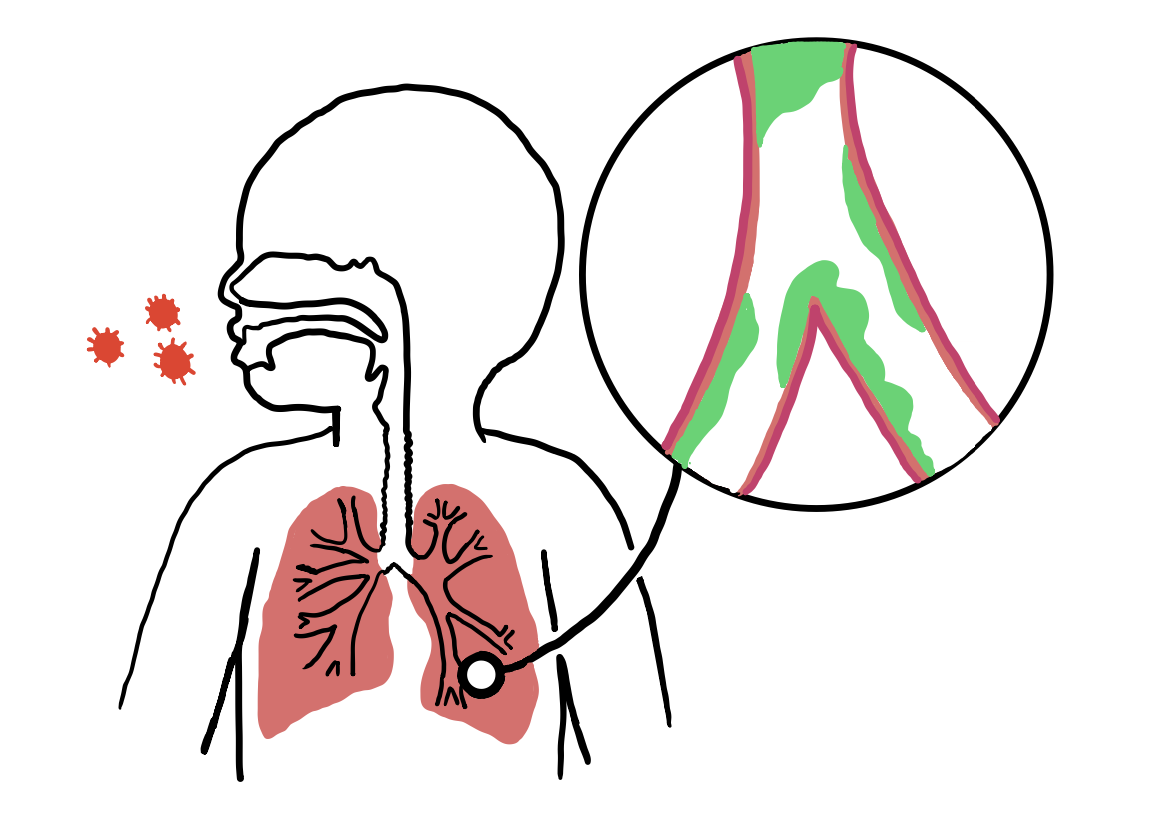
Bronchiolitis is a common chest infection that affects babies and children under 2, and it is usually mild and can be treated at home, but it can be serious, the NHS says.
The early symptoms are similar to a cold, such as sneezing, a runny or blocked nose and a slightly high temperature, the NHS page, last reviewed on 19 February 2026, says. A child may then get a cough, breathe more quickly, find it difficult to feed or eat, have noisy breathing (wheezing or crackling sounds) or become irritable.
How the illness runs
The NHS says symptoms are usually worst between days 3 and 5, and the cough usually gets better in 3 weeks. NICE’s guideline for health professionals gives the same peak, and says the cough resolves in 90% of infants within that time.
The NHS says bronchiolitis is caused by a viral infection, usually respiratory syncytial virus (RSV), which is very common and spreads easily in coughs and sneezes. Babies under 6 months old are among those at higher risk of getting seriously ill. The NHS’s RSV vaccine page, last reviewed on 1 September 2024, says most people get RSV several times in their life, and that in some people, especially babies and older adults, it can cause illnesses such as bronchiolitis.
Signs that need action
The NHS says to call 999 if a child:
- is having difficulty breathing, which may show as grunting noises, the tummy sucking under the ribs or fast breathing
- has pauses when breathing
- has blue or grey skin, tongue or lips (on brown or black skin, this may be easier to see on the palms of the hands, soles of the feet, lips, gums and inside the eyelids)
- is floppy and will not wake up or stay awake
It says to ask for an urgent GP appointment or call 111 if:
- a child has had a cold and it is getting worse
- a child is feeding or eating much less than normal
- a child has had a dry nappy for 12 hours or more, or shows other signs of dehydration
- a baby is under 3 months and has a temperature of 38C, or is older than 3 months and has a temperature of 39C or higher
- a baby feels hotter than usual when touched on the back or chest, or feels sweaty
- a child has a very high or low temperature, feels hot or cold to the touch, or is shivering
- a child is very tired, irritable or does not seem themselves
- a parent is worried about their child
The NHS adds that parents may know if their child seems seriously unwell and should trust their own judgement.