Central heating can make dry eyes worse
The NHS lists eight things that make dry eyes more likely, from contact lenses to windy weather, and says a pharmacist may be able to help.
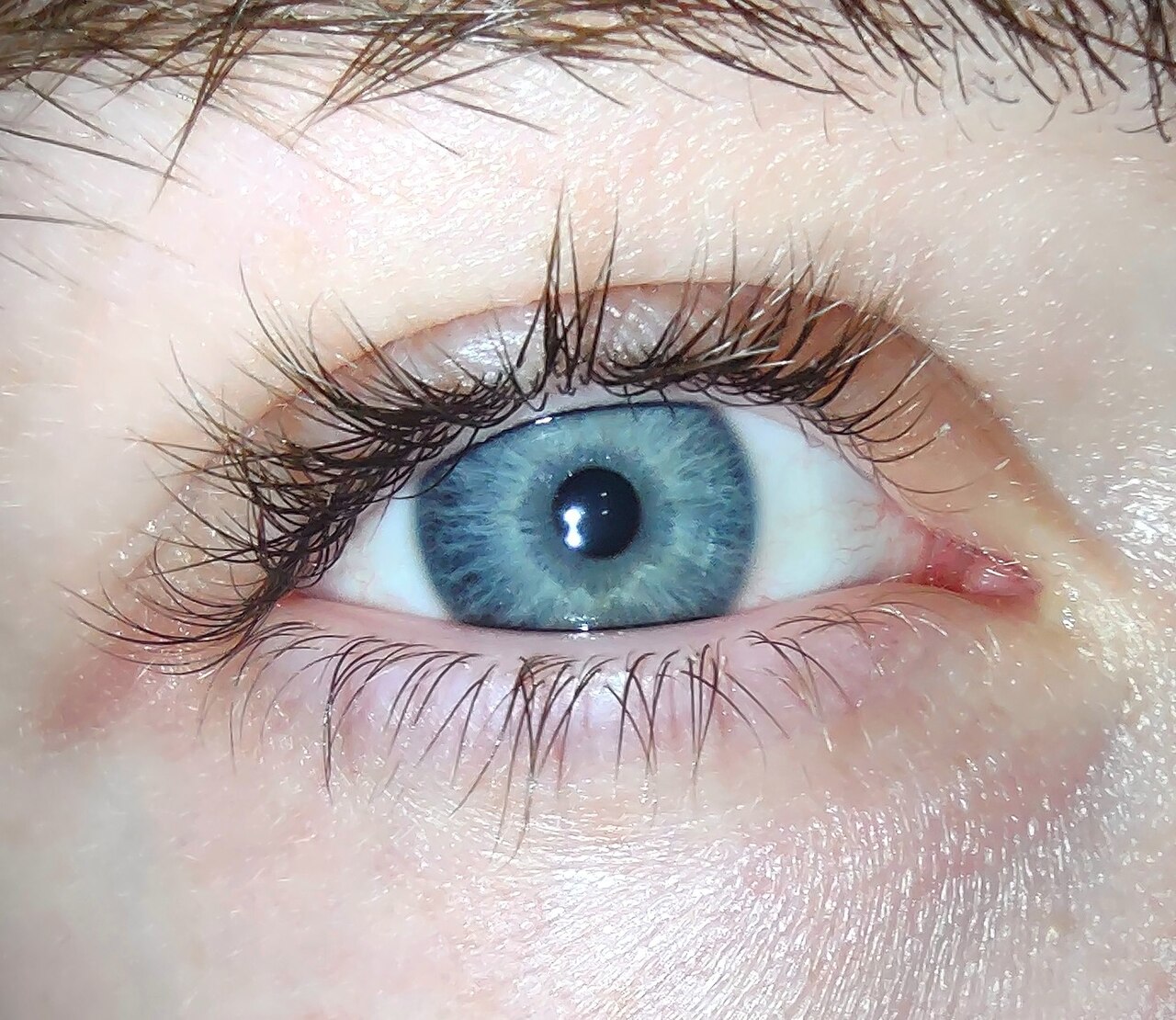
Central heating can make dry eyes worse, the College of Optometrists says.
Many people get dry eyes, and it is not usually serious, the NHS says. You may have them if your eyes are itchy, sore, gritty, red, blurry, sensitive to light or more watery than normal.
What makes dry eyes more likely
The NHS says people may be more likely to get dry eyes if they:
- are over the age of 50
- wear contact lenses
- look at computer screens for a long time without a break
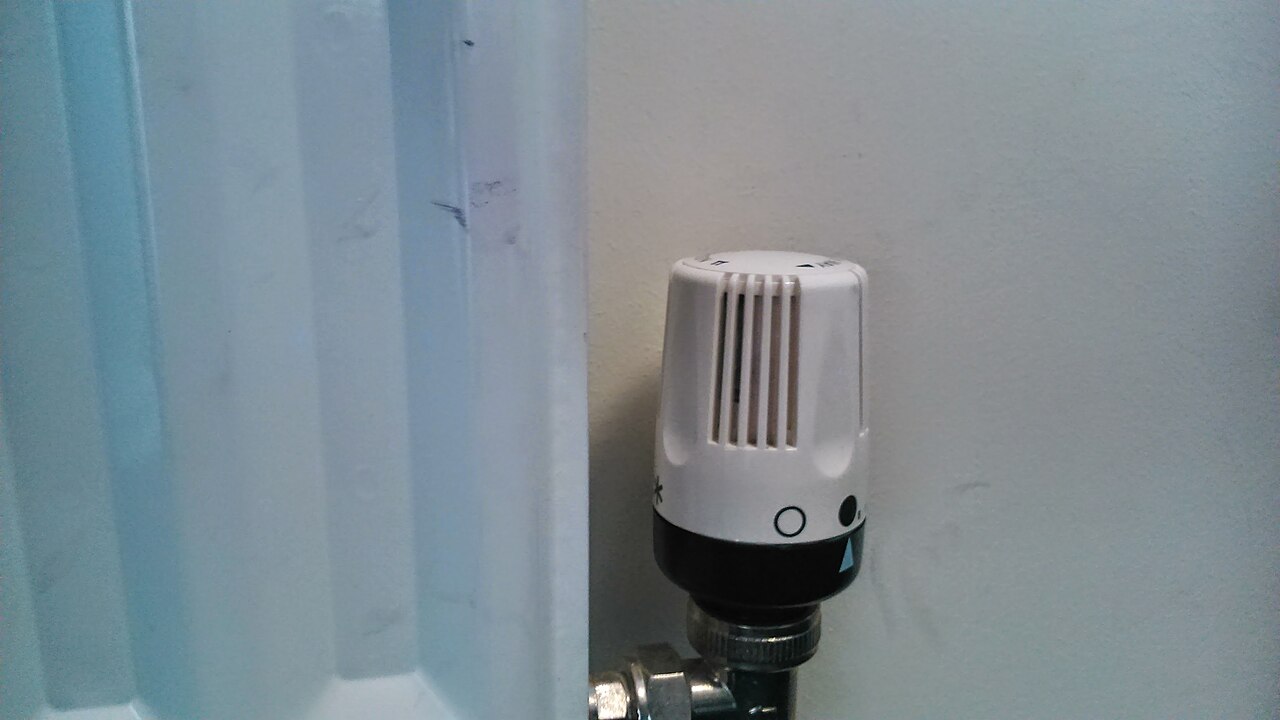
- spend time in air conditioned or heated environments
- are in windy, dry or dusty conditions
- smoke or spend time in smoky environments, or drink alcohol
- take certain medicines, such as some antidepressants or blood pressure medicines
- have a condition such as blepharitis, Sjögren’s syndrome or lupus
The Look After Your Eyes website says high temperatures and central heating, draughts and air conditioning may make tears evaporate more quickly.
Denise Voon, a clinical adviser at the College of Optometrists, said in winter advice published in December 2023 that lowering the temperature in rooms where possible and opening windows, even for a few minutes, can lessen the effects of central heating. A bowl of water near a radiator is a simple and free way to humidify the air, Voon added.
On screens, the College says there is no evidence that more time at a computer damages vision, though looking at a monitor for long periods can be tiring. It suggests blinking regularly and resting the eyes every 20 minutes by looking at something 20 metres away. The rest should last 20 seconds.
When to get help
A pharmacist may be able to help with dry eyes, the NHS says, including by telling people whether anything such as eyedrops, gels or ointments could help and whether they need to see an optician or GP.
The NHS says to see an optician or GP if dry eyes persist after a few weeks of home treatments, or if there is any change in the shape of the eyelids. It says to ask for an urgent GP appointment or get help from NHS 111 if an eye is painful and red, or if someone who wears contact lenses has a red eye, which could be an infection. Changes to sight, such as wavy lines, flashing or loss of vision, are among the signs for which it says to call 999 or go to A&E.
The Look After Your Eyes website says dry eye is a long-term condition that can keep coming back. It says the condition will rarely cause serious eye damage, but that in severe cases it can become very painful and damage the front of the eye.