Is 18°C warm enough indoors in winter?
Age UK called 21°C and above ideal for living rooms in a 2013 release, while the NHS and the World Health Organization name 18°C.
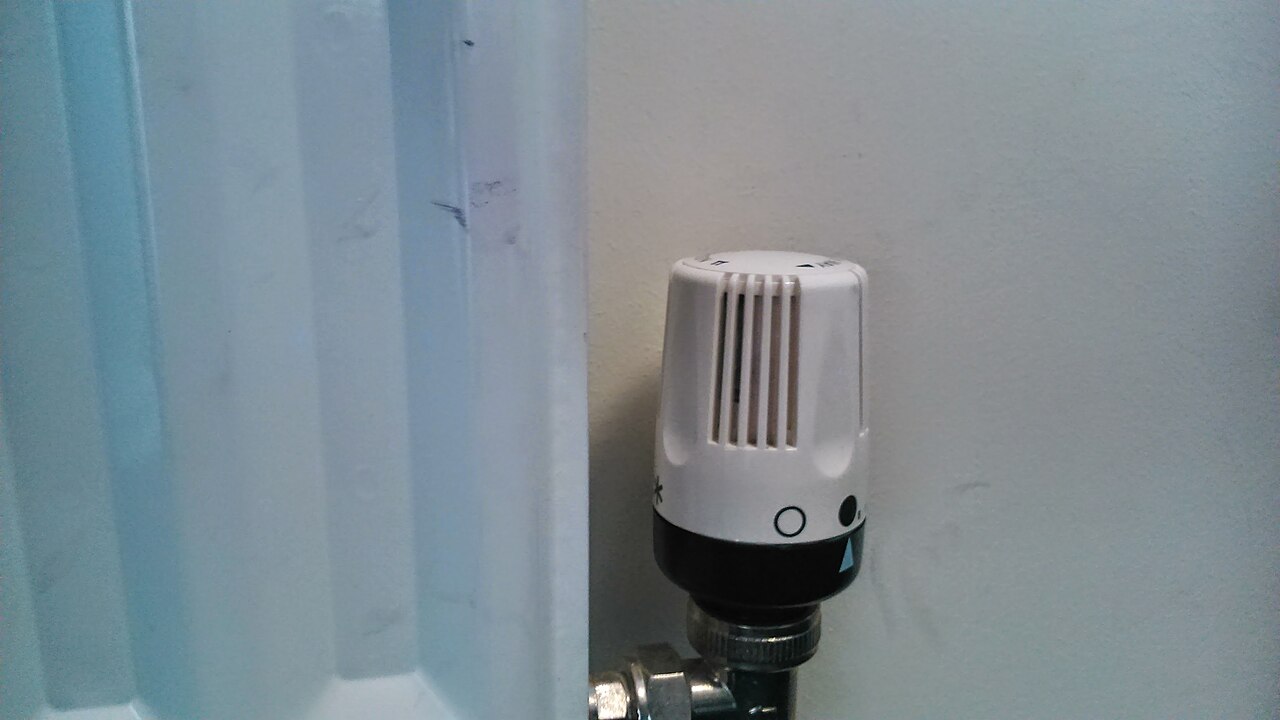
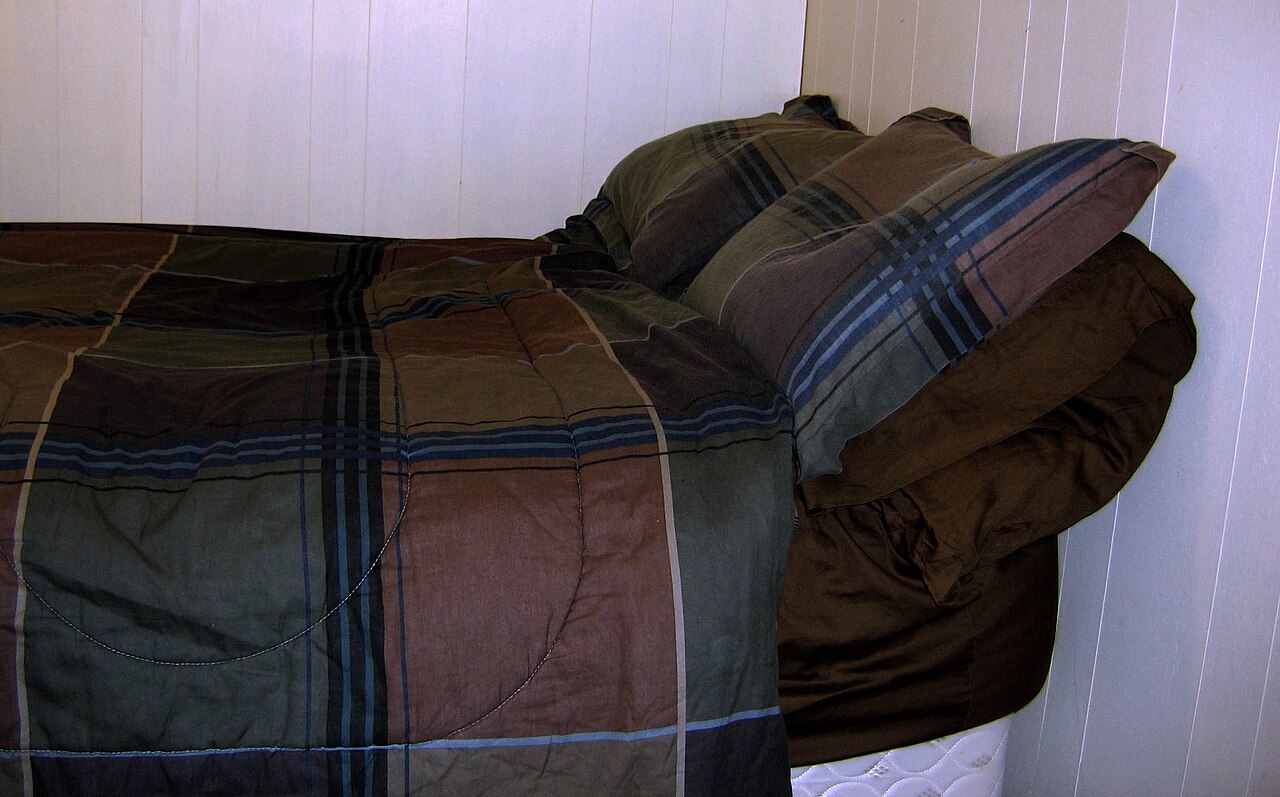
The NHS says that, if people can, the rooms they use regularly, such as the living room and bedroom, should be at least 18°C.
This is particularly important for anyone with a health condition, it says. It adds that people should heat their homes to a temperature that is comfortable for them. Keeping warm over the winter months can help to prevent colds, flu and more serious health problems such as heart attacks, strokes, pneumonia and depression, it says.
The NHS lists these groups as more vulnerable to the effects of cold weather:
- people aged 65 and older
- babies and children under the age of 5
- people on a low income who cannot afford heating
- people with a long-term health condition
- people with a disability
- pregnant women
- people with a mental health condition
Different sources, different figures
| source | figure | what it describes |
|---|---|---|
| NHS keep warm, keep well page | at least 18°C, if possible | rooms regularly used, such as the living room and bedroom |
| World Health Organization (WHO) housing and health guidelines, published in 2018 | 18°C, proposed as safe and well-balanced | general populations in countries with temperate or colder climates, during cold seasons |
| Age UK press release, published on 28 October 2013 | ideally 21°C and above; 18°C at a minimum | living room temperatures; bedroom temperatures |
The WHO guidelines say a higher minimum than 18°C may be necessary for vulnerable groups, including older people, children and those with chronic illnesses, particularly heart and lung disease.
They also say current evidence is insufficient to establish the precise temperature below which adverse health effects are likely to occur, though there is high certainty that taking measures to warm cold houses will have significant health benefits.
A footnote to Age UK’s figures names a 2003 WHO fact sheet, “Extreme Weather Events: Health Effects and Public Health Measures”.
NICE’s guideline on the health risks of cold homes says ill effects are seen when outdoor temperatures drop to around 6°C. Because temperatures in that range are much more common, it says, that is when the greatest number of cold-related health problems occur.
The guideline’s recommendation on raising public awareness gives these examples of “commonly held misconceptions”: that drinking alcohol can help keep someone warm, that hypothermia is the main health problem caused by the cold, and that sleeping in a cold bedroom is good for your health.
The NHS says people aged 65 or over, and anyone else in an at-risk group, should get medical help as soon as they feel unwell – from a pharmacy, a GP or NHS 111. In an emergency, it says, go to A&E or call 999.