A very large meal or too much alcohol can trigger a gout attack
NICE says there is not enough evidence that any specific diet prevents flares, while the NHS suggests some alcohol-free days each week.
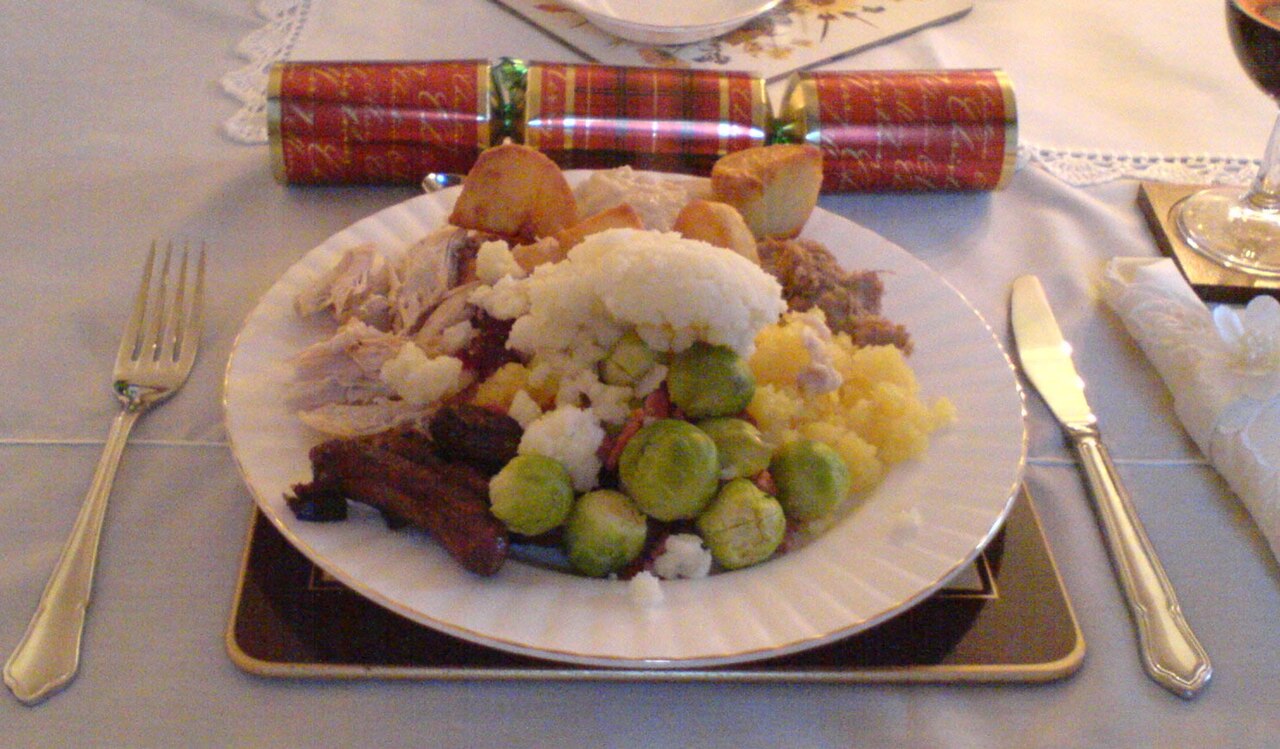
A very large meal or too much alcohol can trigger a gout attack, the NHS says. Arthritis UK says overeating and drinking can make attacks more likely, but are “not the whole story”.
The NHS says gout is caused by too much uric acid in the blood. Arthritis UK says the body makes uric acid, also called urate, when it breaks down purines, chemicals also found in certain foods, and that only about a quarter of the urate in the body comes from food and drink.
What can set off an attack
On a page last reviewed on 24 August 2023, the NHS lists these as things that can trigger a gout attack:
- an illness that causes a high temperature
- drinking too much alcohol or eating a very large meal
- becoming dehydrated
- injuring a joint
- taking certain medicines
The drink
Arthritis UK says drinking too much alcohol, especially beer and spirits, can raise urate levels and the chances of an attack. It says small amounts of wine do not appear to increase the risk.
Among its suggestions for preventing attacks, the NHS lists some alcohol-free days each week and trying not to drink more than 14 units a week. Arthritis UK puts the same figure at about 6 pints of beer or 6 glasses of wine, and says a doctor might advise a lower limit.
Who else is more likely to get gout
The NHS says gout sometimes runs in families and is more common in men, especially as they get older. It says people may have a higher chance of getting it if they are overweight, drink alcohol, have been through the menopause, take medicines such as diuretics (water tablets) or medicines for high blood pressure, have high cholesterol, high blood pressure, kidney problems, osteoarthritis or diabetes, or have had surgery or an injury.
NICE’s guideline on gout, published on 9 June 2022, recommends explaining to people with gout that there is not enough evidence to show that any specific diet prevents flares or lowers urate levels, and advising a healthy, balanced diet. It also recommends advising that excess body weight or obesity, or excessive alcohol consumption, may make flares and symptoms worse.
The NHS says to see a GP if symptoms of gout appear for the first time or usual treatments are not helping. It says to ask for an urgent GP appointment or get help from NHS 111 if sudden pain and swelling in a joint comes with worsening pain, a very high temperature (or feeling hot, cold or shivery) or feeling sick or being unable to eat, which could mean an infection inside the joint.