Free NHS flu vaccine 2026 in England: who can get it and how to book
Eligible people can book online, in the NHS App, at a pharmacy or through a GP surgery, and the NHS says the vaccine can be given with the COVID-19 and shingles vaccines.
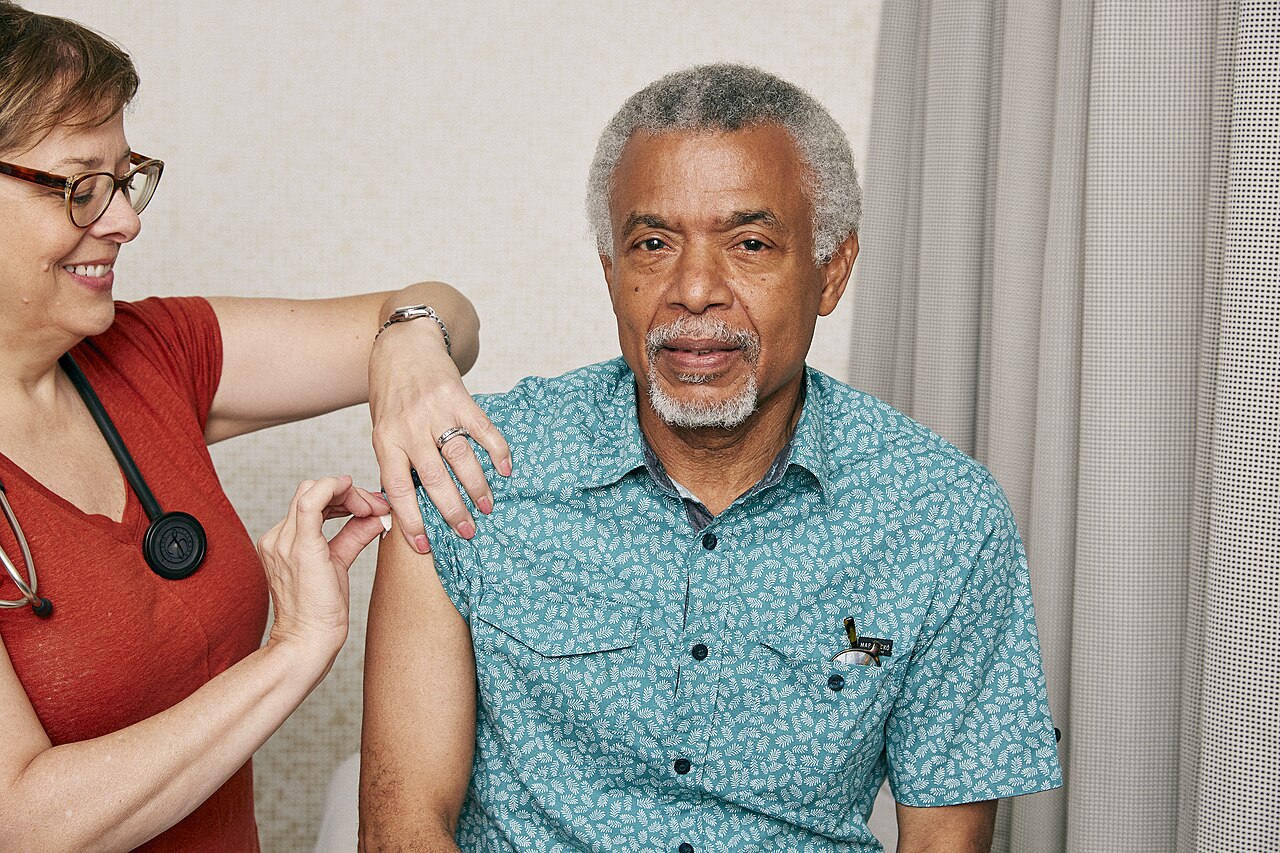
The NHS in England offers a free flu vaccine to people at higher risk of getting seriously ill from flu, including people aged 65 or over and adults aged 18 to 64 with certain long-term health conditions, according to the NHS website.
The national flu immunisation programme letter for 2026 to 2027, published on GOV.UK, says the programme starts on 1 September 2026 for pregnant women and for children, and on 1 October 2026 for adults.
Who can get the free flu vaccine?
The NHS website says you can get the free NHS flu vaccine if you:
- are aged 65 or over (including those who will be 65 by 31 March 2027)
- are aged 18 to 64 and have certain long-term health conditions
- are pregnant – you can have a flu vaccine during any stage of pregnancy
- live in a care home
- are the main carer for an older or disabled person, or receive a carer’s allowance
- live with someone who has a weakened immune system
- are aged 16 or over and rough sleeping or staying in a homeless hostel or night shelter
Frontline health and social care workers can also get a flu vaccine through their employer, the NHS says.
Which long-term health conditions count?
The NHS says the flu vaccine is recommended for people with certain long-term health conditions, including:
- conditions that affect your breathing, such as asthma (needing a steroid inhaler or tablets), chronic obstructive pulmonary disease (COPD) or cystic fibrosis
- heart conditions, such as coronary heart disease or heart failure
- chronic kidney disease
- liver disease, such as cirrhosis or hepatitis
- some conditions that affect your brain or nerves, such as Parkinson’s disease, motor neurone disease, multiple sclerosis or cerebral palsy
- a learning disability
- diabetes or Addison’s disease
- a weakened immune system due to a condition such as HIV or AIDS, or due to a treatment such as chemotherapy or steroid medicine
- problems with your spleen, such as sickle cell disease, or if you’ve had your spleen removed
- being very overweight – a body mass index (BMI) of 40 or above
The NHS says to speak to your GP surgery or specialist if you have a health condition and you’re not sure if you’re eligible for the flu vaccine.
What about children?
The NHS website says the children’s flu vaccine is offered to children aged 2 or 3 years on 31 August 2026 (born between 1 September 2022 and 31 August 2024), children aged 4 who have not started school yet, school-aged children (reception to year 11) and children aged 6 months to 17 years with certain long-term health conditions. Most school-aged children get it at school, the NHS says, usually during the autumn term. A child who misses the school session, or who is home educated, should be offered a vaccine at a community clinic, the NHS says.
How do I book?
If you are eligible, the NHS says you can book a flu vaccination appointment online or in the NHS App, find a pharmacy that offers a free flu vaccination, or contact your GP surgery to book an appointment.
For a child aged 2 or 3, the NHS says you may get an invitation from your GP surgery but do not need one to book. The NHS says vaccination appointments for school-aged children will also be available at some pharmacies from 1 December 2026.
Key dates
| Date | Event |
|---|---|
| 1 September 2026 | Starts for pregnant women, 2- and 3-year-olds, school-aged children and children in clinical risk groups (letter) |
| 1 October 2026 | Starts for adults, including people aged 65 and over (letter); pharmacies can start vaccinating 2- and 3-year-olds and children in clinical risk groups (letter amendment) |
| 1 December 2026 | Vaccination appointments for school-aged children also available at some pharmacies (NHS) |
| 30 March 2027 | Online booking closes (NHS) |
| 31 March 2027 | Last date to get the flu vaccine (NHS) |
How well does it work?
The NHS says the vaccine usually takes up to 14 days to work and that there is still a chance of getting flu after being vaccinated, but it is likely to be milder and not last as long. It says protection goes down with time and the flu types the vaccine covers are updated each year, which is why it is important to have the vaccine every year.
If you cannot get an appointment straight away
The UK Health Security Agency (UKHSA) has published a leaflet, “Why do I have to wait for my flu vaccine?”, explaining the availability of flu vaccine and demand for supply for the adult programme. It says no supply issues are expected for the children’s programme.
Questions and answers
Can I have the flu vaccine with the COVID-19 jab?
The NHS says you can have the flu vaccine at the same time as other vaccines such as the COVID-19 and shingles vaccines.
Can the injected flu vaccine give me flu?
The NHS says the injected flu vaccines used in the UK do not contain live flu viruses, so they cannot give you flu.
Who cannot have the flu vaccine?
The NHS says the only people who cannot have it are those who have had a serious allergic reaction (anaphylaxis) to a previous dose of the vaccine or to an ingredient in it. It says to wait until you are feeling better if you have a high temperature.
Related
More payment dates and guides
- When is the UK Budget 2026? Wednesday 28 October, but no start time given
- Stamp prices 2026: how much a first and second class stamp costs
- Universal Credit payment dates November and December 2026
- When are the Premium Bonds results? Next on Tuesday 3 November
- When is the next Bank Rate decision? Thursday 5 November 2026
- Winter Fuel Payment 2026: who gets £100 to £300, and when