Do joints really ache more in cold weather?
The Manchester study linked the worst pain days to low pressure and high humidity, while a review of osteoarthritis research found a link with temperature.
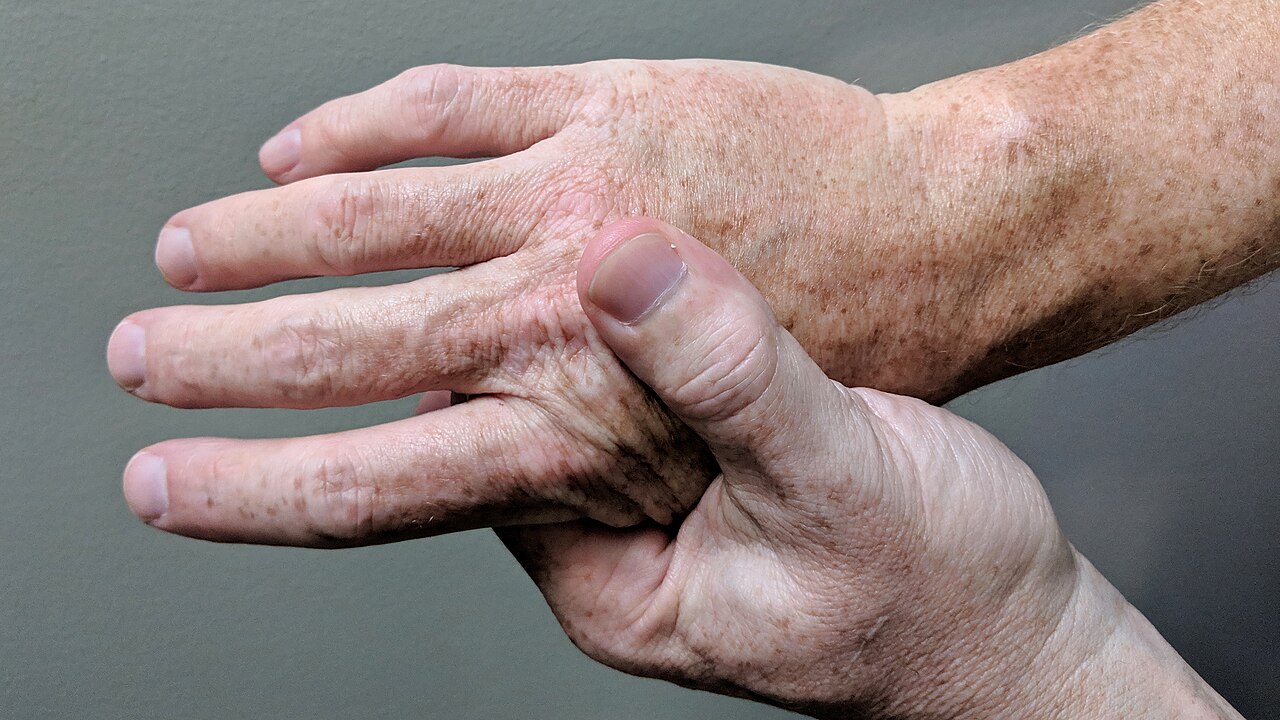
Some people living with arthritis report that stiffness and joint pain get worse in cold weather, but everyone’s experience is different, Arthritis UK says.
Research in this area is limited, the charity says. It points to a University of Manchester study it funded, called “Cloudy With a Chance of Pain”.
The University of Manchester said in a news release on 18 May 2020 that the researchers followed more than 13,000 UK residents living with chronic-pain conditions for 15 months. Participants logged daily pain in a smartphone app, and the phone’s location linked it to weather data.
On the most painful days, 23% of participants reported an increase in pain, against 10% on the least painful days. The most painful days had below-normal pressure, above-normal humidity and rainfall, and stronger winds; the least painful days were the reverse.
The release says about 75% of people with chronic pain believe their pain is affected by the weather, but that there is disagreement over which weather condition makes pain worse.
Beyond the Manchester study
A systematic review published in Annals of Medicine in April 2023 looked at 14 studies of people with osteoarthritis. It included 2,102 patients in more than 10 countries. Thirteen of the 14 studies reported consistent findings that weather factors in general were associated with osteoarthritis pain, and the reviewers called the evidence strong.
In the pooled analysis, three studies covered pressure or temperature and five covered humidity. The reviewers reported a moderate correlation between osteoarthritis pain and temperature or pressure, and a weak one with humidity. Temperature was negatively correlated with pain, meaning pain tended to be higher when it was colder, while pressure and humidity were positively correlated, meaning pain tended to be higher when they were higher.
Set side by side, the two sets of findings point in opposite directions on pressure: the most painful days in the Manchester study had low pressure, while the review found pain tended to be higher when pressure was higher. They studied different groups, though: UK adults with chronic pain, and osteoarthritis patients in more than 10 countries.
The reviewers said all the included studies were observational, which may be more open than randomised trials to the influence of other factors, and that pain is a highly subjective symptom. They called for more well-designed studies using standardised weather conditions.
In a smaller retrospective study of 117 people with rheumatoid arthritis, published in 2020 by doctors at a university hospital in Oujda, Morocco, the authors said the results showed “the possibility of weather effects” on pain depending on the season, especially extreme temperatures.
The NHS says people with persistent symptoms of osteoarthritis should see their GP so that the diagnosis can be confirmed and any necessary treatment prescribed.
Arthritis UK says staying active is vital for people with arthritis, because physical activity can help to ease pain, increase strength and flexibility, and boost energy levels.