Bus fare cap outside London: £3 to end of 2026, then £2
Companies choose whether to join the scheme, so a route can be outside the cap.
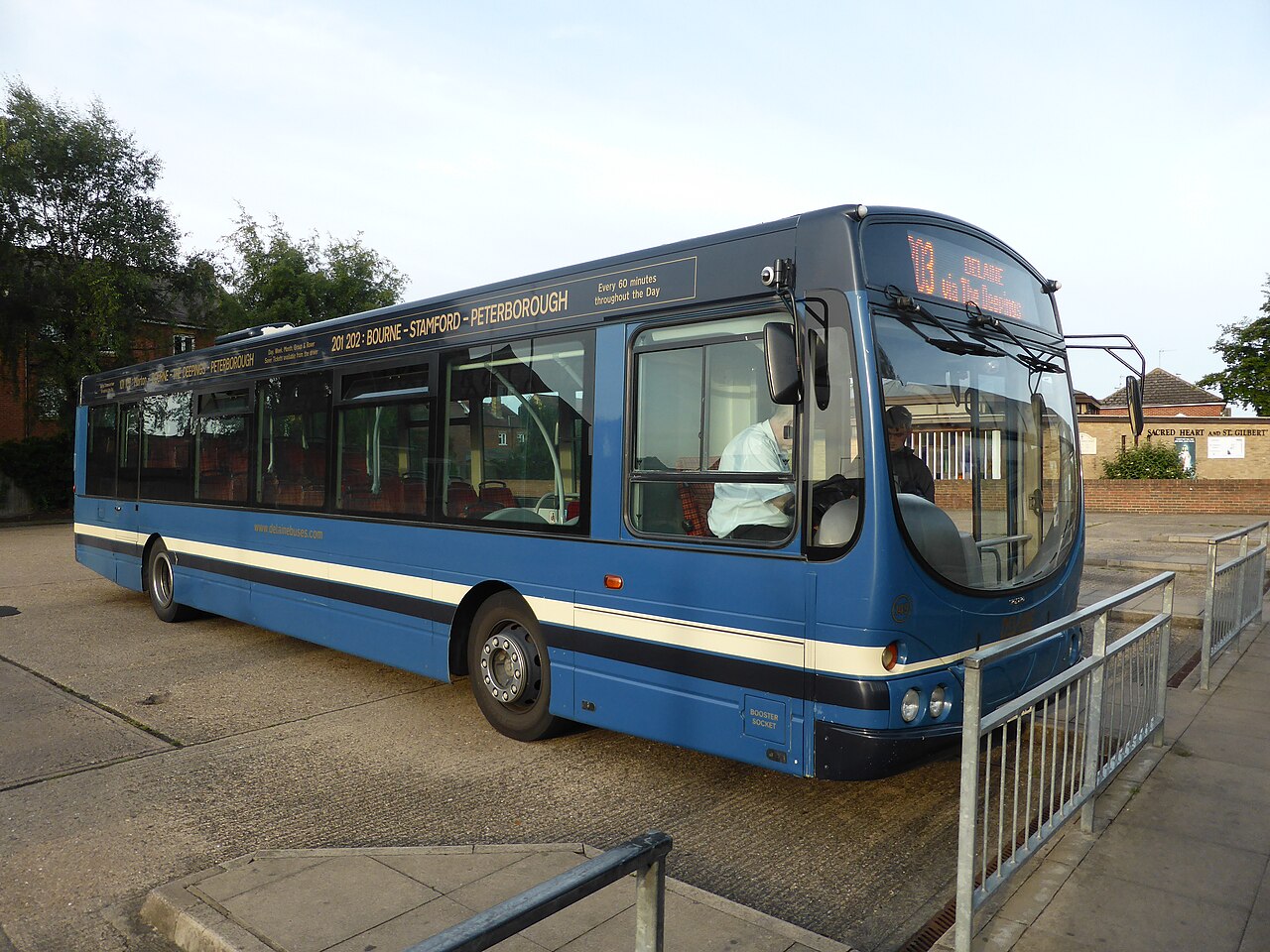
Single bus tickets in England outside London are capped at £3 until the end of 2026, then £2 from 1 January 2027 until 31 December 2027, the Department for Transport has said.
Lord Hendy of Richmond Hill announced the £2 cap in a written statement to the House on 22 July 2026. It applies to “eligible single bus fares on participating services”, the statement says, and replaces the existing £3 cap.
Before that announcement the £3 cap was due to run until the end of March 2027. The Prime Minister’s Office press release issued on 22 July says the new cap will stop prices jumping in spring 2027, and that single fares could otherwise “soar above £10” on some of the most expensive routes.
Which buses are covered
Taking part is voluntary, the guidance on the £3 scheme says, and some bus companies have chosen to stay out. Some types of routes are not covered, for example coach services, school-only services and airport services. The notices about the £2 cap do not list companies or routes.
The guidance sorts the companies and routes that are in the scheme by region, from the East Midlands to Yorkshire and The Humber, and lists, company by company, the routes that are not included. Passengers are told to see the bus company websites for information about individual services.
| period | cap | status |
|---|---|---|
| Until 31 December 2026 | £3 | current cap, participating services only |
| 1 January 2027 to 31 December 2027 | £2 | replaces the £3 cap |
London, Greater Manchester and the other nations
London is outside the scheme because fares there are capped locally, the guidance says. Greater Manchester already has its own cap: the press release says single fares on the Bee Network have been capped at £2 for the last four years.
The announcement is for England. The devolved governments will receive funding through the Barnett formula “in the usual way”, the release says, and it does not say whether Scotland, Wales or Northern Ireland will bring in a cap.
What £2 means in practice
A cap is a ceiling: eligible fares “cost no more than £2”, the statement says. For a fare that was capped at £3, the cut is £1, or a third.
On our arithmetic, five return journeys a week make 10 single fares. If each of those single fares had been £3, the weekly saving would be £10; anyone paying less than £3 for a fare would save less.
Questions and answers
Does the cap cover return or day tickets?
Both the statement and the guidance refer to single tickets. Neither mentions return or day tickets, so those are a question for the operator.
Can a council or mayor go lower than £3?
Yes. Local authorities and metro mayors “may also fund their own schemes to reduce fares lower than £3”, the guidance says, and routes marked as not included in the national cap “may still offer a discounted fare as part of a locally run initiative”.
Who pays for the £2 cap?
The statement says £400 million of extra government funding backs it, taken from the Department for Energy Security and Net Zero’s budget “including by switching funding for international climate from grants to loans”.