The walk after meals that lowers blood sugar
Most of the walking in the studies reviewed lasted between 20 and 60 minutes, at a moderate pace.
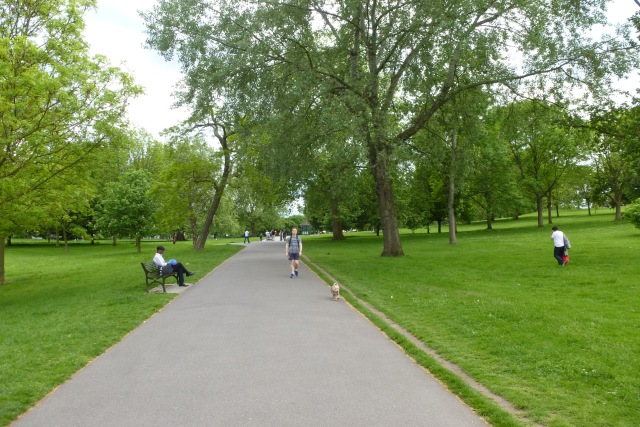
A short walk taken within half an hour of finishing a meal can reduce the rise in blood sugar that follows eating, according to a review of the evidence published in the journal Sports Medicine.
The World Health Organization says 830 million adults worldwide were living with diabetes in 2022, the most recent figure given in its diabetes fact sheet.
Two separate studies looked at what happens when people walk after eating:
- The Sports Medicine review, which pooled eight trials and 116 participants, found that walking within the first half hour after a meal works best, before blood sugar has had time to climb.
- A walk after eating lowered the rise in blood sugar more than the same walk taken before the meal, and more than sitting still. Walking before a meal made little difference compared with staying seated.
- A New Zealand study followed 41 people with type 2 diabetes. Each patient was given a 10-minute walk after every main meal for two weeks, and a single 30-minute walk a day for another two weeks. Blood sugar after meals dropped 12% on average when the walking was split up, the University of Otago said.
The biggest fall came after the evening meal, the most carbohydrate-heavy of the day and the one followed by the longest stretch of sitting still. “Most of this effect came from the highly significant 22 per cent reduction in blood sugar when walking after evening meals,” said Dr Andrew Reynolds, the study’s first author.
The university’s statement on the findings called for official advice to change. “The benefits relating to physical activity following meals suggest that current guidelines should be amended to specify post-meal activity, particularly when meals contain a substantial amount of carbohydrate.”
Both studies were small. The review’s authors wrote that “the number of included studies was quite small” and that the trials carried a “high individual risk of bias”.
The review looked at blood sugar in the hours right after a meal, so the findings point to a short-term effect, not proof of lasting change in weight or long-term diabetes control.
The benefit was clearer in people without diabetes; in those with type 2 diabetes the review found a tendency towards benefit rather than a confirmed one.
Exercise can also push blood sugar the other way. People taking insulin or tablets for their diabetes need to be aware that it can cause hypoglycaemia, or low blood sugar, according to patient guidance from Cambridge University Hospitals NHS Foundation Trust.
Anyone who has to eat more to stop their blood sugar dropping too low should speak to their diabetes team, the guidance says, as medication or insulin may be adjusted instead.