What vitamin D supplements do – and don’t do
Vitamin D helps control the calcium and phosphate the body needs for healthy bones, teeth and muscles, the NHS says.
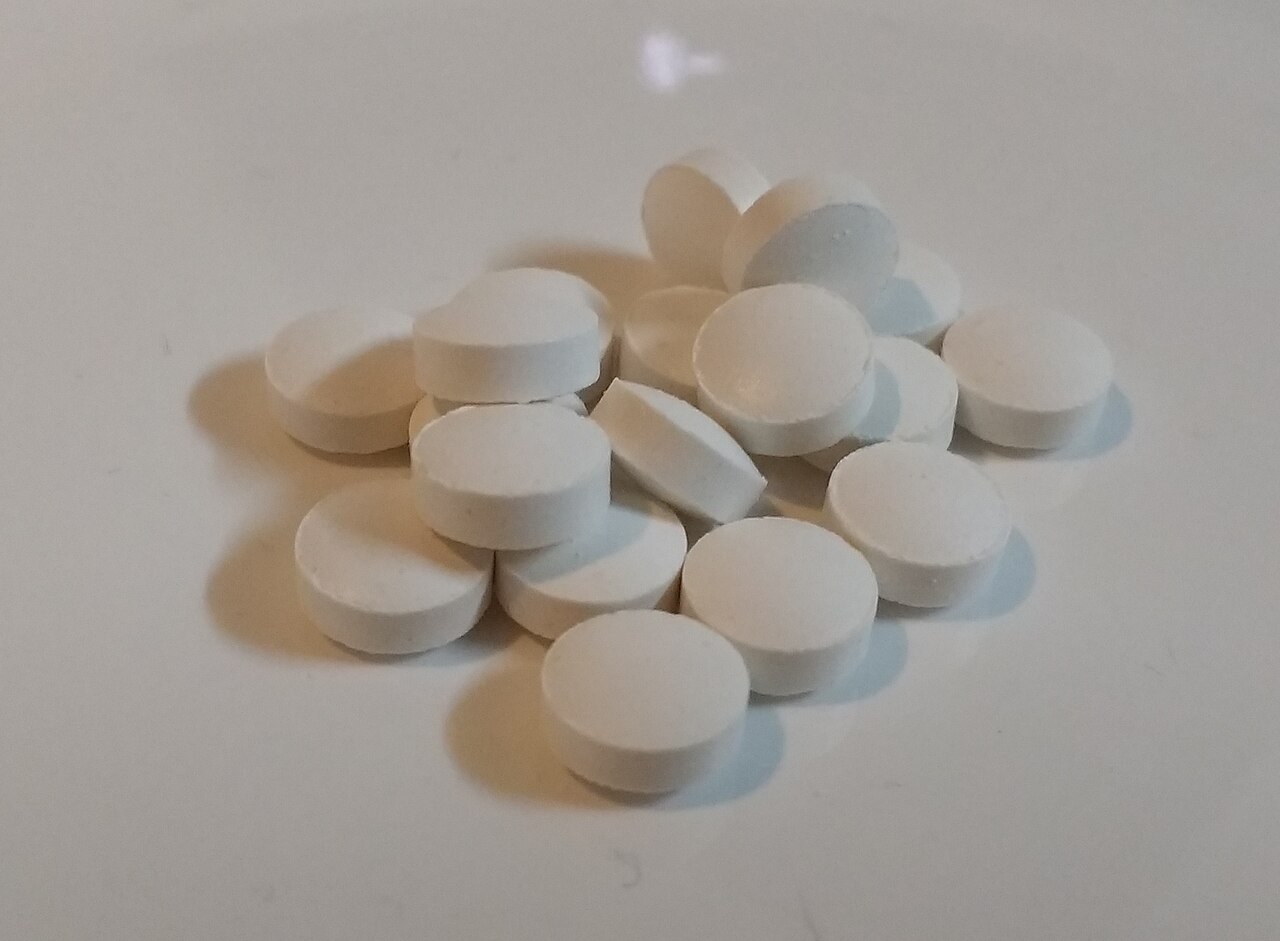
In a US trial of almost 26,000 adults, those taking vitamin D daily got cancer and heart problems at about the same rate as those on a dummy pill, the National Cancer Institute reported.
Volunteers were typically followed for just over five years. The results were published in the New England Journal of Medicine on 10 November 2018.
Invasive cancer was diagnosed in 6.1% of the vitamin D group and 6.3% of the dummy-pill group. The institute said that gap, like the one for heart attacks and other heart and blood vessel problems, was not statistically significant. Deaths from cancer were slightly fewer in the vitamin D group, 1.1% against 1.4%, a gap the institute said was not statistically significant but had started to widen over time.
A later analysis of the same trial, announced by Brigham and Women’s Hospital, looked at broken bones in more than 25,000 of the volunteers. Those in the vitamin D group had taken 2,000 IU of vitamin D3 a day.
Dr Meryl LeBoff, who heads the hospital’s calcium and bone section, was its lead author. The results, LeBoff said, “do not support the use of vitamin D supplements to reduce fractures in generally healthy U.S. men and women”.
The main trial, known as VITAL, was led by Dr JoAnn Manson, chief of the Division of Preventive Medicine at the same hospital. Its main goal, Manson said, was to see if there was a benefit to getting “more than what is considered necessary for bone health”.
The volunteers had no history of invasive cancer or heart and blood vessel disease, so the trial did not test what supplements do for people who have had either.
What the NHS advises
The NHS says adults need 10 micrograms of vitamin D a day, and that everyone should consider taking a daily supplement containing that amount during the autumn and winter.
Women and children who qualify for the Healthy Start scheme can get free supplements containing vitamin D.
How much is too much
Taking too many vitamin D supplements over a long period of time can cause too much calcium to build up in the body, the NHS warns. This can weaken the bones and damage the kidneys and the heart.
Its advice is not to take more than 100 micrograms (4,000 IU) of vitamin D a day, as it “could be harmful”.
Harvard Health Publishing gives the same figure of 4,000 IU a day, which it says “is considered the safe upper limit”.
The NHS adds that some people have medical conditions that mean they may not be able to safely take as much, and that anyone in doubt should consult their doctor.