Zinc may shorten colds – with a catch
A 2024 Cochrane review found zinc supplements made little or no difference to the risk of catching a cold, and said taking zinc as a treatment probably increased the risk of mild side effects.
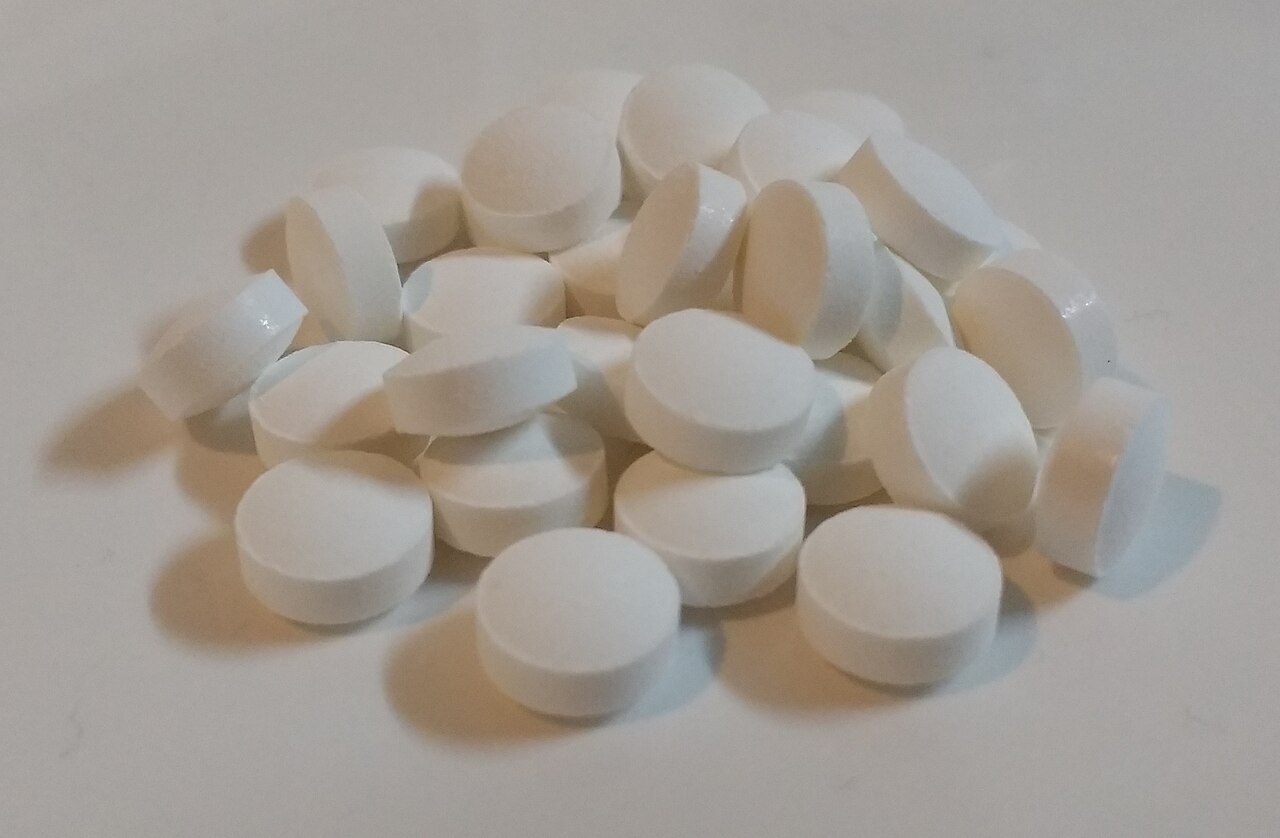
People who take zinc once they already have a cold may be ill for roughly two fewer days than those given a placebo, a review of 34 trials by the Cochrane Library has found.
There is no definitive way to prevent or cure a cold, and it remains a major cause of lost work and school days, the review’s authors said.
The review looked at 34 trials involving 8,526 people, comparing zinc with a placebo both to prevent colds and to treat them.
The trials were carried out in 13 countries, with zinc given as lozenges, tablets, capsules, dissolved powders, syrups or nasal sprays.
For prevention, the review found little or no difference: zinc users were not meaningfully less likely to catch a cold than those on a placebo, and recorded a similar number of colds over five to 18 months.
Once a cold had started, the picture changed. Zinc taken as a treatment may cut its length by about two days compared with a placebo, though the review said its confidence in this result is low.
Side effects were probably more common among people taking zinc as a treatment than among those given a placebo, the review found: mostly an unpleasant taste and stomach upset. None of the treatment trials gave information on serious side effects, so the review said it could not say how often, if at all, these might happen.
Daryl Nault, who led the review, told CIDRAP — the University of Minnesota’s Center for Infectious Disease Research and Policy: “It’s up to the individual to decide whether the risk of potential unpleasant side-effects is worth the benefit of potentially shortening their illness by a few days.”
What the NHS says about zinc
Zinc helps the body make new cells and enzymes, process carbohydrate, fat and protein in food, and heal wounds, the NHS says.
The NHS recommends about 9.5mg of zinc a day for men, and 7mg for women. Both figures are for the 19 to 64 age group, and most people get enough from a varied, balanced diet, it says.
Good sources include meat, shellfish, dairy foods such as cheese, and bread and cereal products such as wheatgerm, the NHS adds.
The NHS advises against taking more than 25mg of zinc supplements a day without a doctor’s advice: high doses reduce how much copper the body can absorb, which can lead to anaemia and weakening of the bones.
The review’s own authors were cautious, rating their confidence in the evidence as “mostly low to very low” and pointing to differences in how studies gave zinc and reported their methods.
Susan Wieland, the review’s senior author at the University of Maryland School of Medicine, said more consistency was needed: “Future studies should adopt standardized methods for administering and reporting treatments and defining and reporting outcomes.”