Is your boiler set higher than it needs to be?
The same advice covers thermostats, timers, radiator valves and draughts, and GOV.UK has an online service for home improvements.
A boiler’s flow temperature, the temperature of the water it uses to heat the radiators, might be higher than it needs to be, Citizens Advice says in its advice for England.
Setting it lower can save money, it says, but what can be done depends on the type of boiler. For a combi boiler, which has no separate hot water cylinder, it suggests trying 60 degrees Celsius if the home has radiators.
For a boiler with a separate hot water cylinder, the page says the flow temperature must be at least 65 degrees Celsius, to stop harmful bacteria growing inside the cylinder. A lower setting might also mean the home takes longer to warm up.
The same page lists other settings to check:
- Room thermostat: a temperature between 18 and 21 degrees Celsius is usually comfortable. The page suggests starting at 21 and lowering it one degree at a time until the lowest comfortable temperature is found, which it says will save some money.
- Out or asleep: a lower temperature, two or three degrees below the comfortable one, but not below 16 degrees Celsius. Below that, the page says, there is a risk of damp and of getting ill.
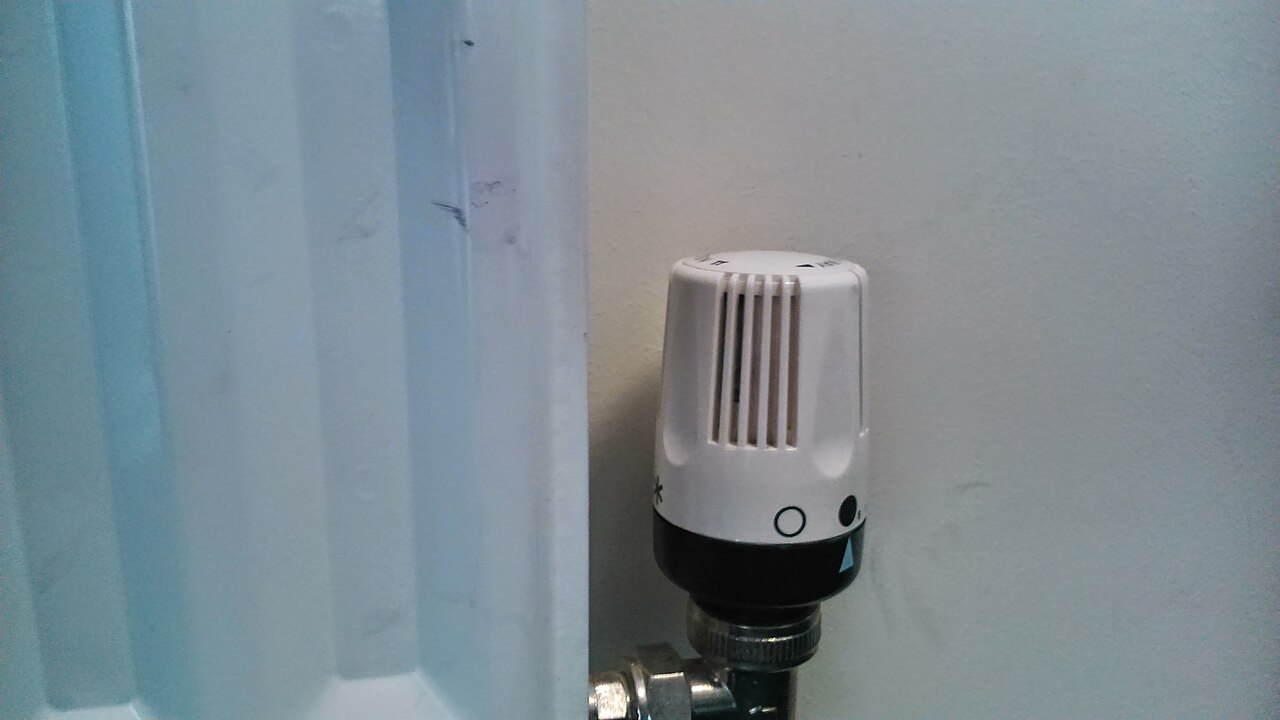
- Radiator valves: lower settings in rooms used less, but not the lowest setting, which turns the radiator off. Some heat in a room helps stop damp and mould developing, the page says.
- Draughts: self-adhesive strips, rubber seals or draught excluders over gaps, with some air still flowing through the home to avoid condensation and mould.
GOV.UK offers an online service for homes in England and Wales that gives recommendations for improvements that could make a property cheaper to heat, with an estimated cost and how much could be saved on bills for each one.
Ofgem says households can ask their energy supplier whether it can help with energy-efficient improvements, and that suppliers may be able to give access to grants or other funding. Qualifying may depend on eligibility criteria, such as where someone lives or their finances.
The Citizens Advice page puts no figure on how much any of these changes would save, and it was last reviewed in December 2022. It warns that heating tips on social media and internet forums might not be safe or save any money, and says not to stop heating the home: keeping it warm enough means less risk of damp and of getting ill.
For anyone with a health condition that might be made worse by the cold, the page says to ask a GP or a healthcare professional what temperature to keep the home at. Heat pump owners are told not to change the flow temperature unless the installer says it is fine.