Carbon monoxide can feel like flu: the signs to know
The NHS advises an alarm in every room with a gas, oil, coal or wood appliance, and government guidance sets alarm rules for landlords in England.
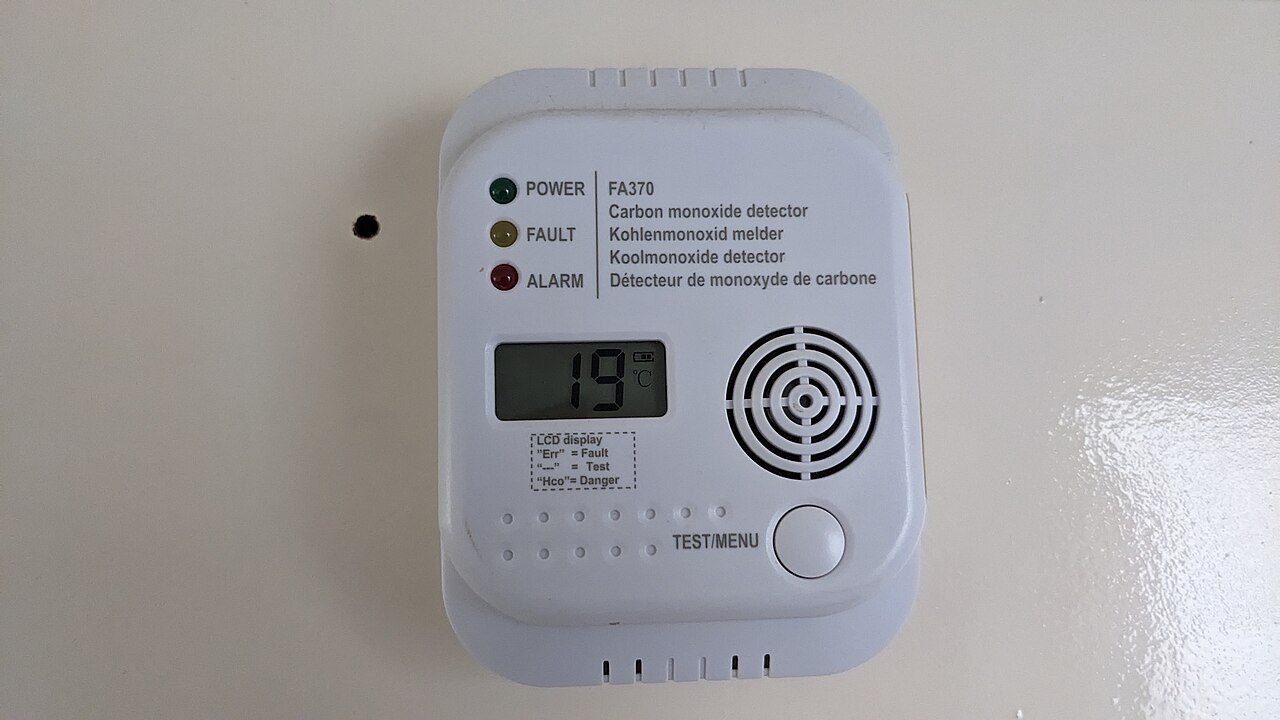
Exposure to lower levels of carbon monoxide can cause symptoms that resemble flu, viral infections or food poisoning, while exposure to high indoor levels can be fatal, the UK Health Security Agency says.
The gas is colourless and has no smell, the NHS says, so a person cannot tell whether it is around them. Fires and appliances that burn gas, wood, oil or coal can make it.
Symptoms the NHS lists
The NHS lists these symptoms of carbon monoxide poisoning:
- A headache
- Dizziness
- Feeling sick or being sick
- Feeling weak
- Tiredness and confusion
- Chest and muscle pain
- Shortness of breath
- The face turning hot and red (flushing), though the NHS says redness may be harder to see on brown and black skin
- Loss of vision
The symptoms may come and go, the NHS says. They may get worse after time in an affected room or building and ease after leaving or going outside.
The Health and Safety Executive (HSE) says early symptoms can mimic many common ailments and may easily be confused with food poisoning, viral infections, flu or simple tiredness.
What the NHS says to do
If someone thinks they might have carbon monoxide poisoning, the NHS says to stop using appliances that might be making the gas, such as a boiler, cooker or heater, if possible, and to go outside. It says to get medical advice as soon as possible and not to go back into the affected building until advice has been given.
The NHS says to call NHS 111 if someone thinks they might have symptoms.
It says to call 999 or go to A&E if someone who may have been exposed is finding it hard to breathe, has suddenly become confused, has lost consciousness, is feeling weak, or has chest or muscle pain. Nobody should drive to A&E, the NHS says: they should ask someone to drive them or call 999 and ask for an ambulance.
Anyone with carbon monoxide poisoning will need to be checked in hospital, the NHS says, where tests usually check the level of the gas in the blood and oxygen may be given through a mask.
For a suspected leak from a gas appliance, the NHS says to call the free National Gas Helpline immediately. The number is 0800 111 999. The service is open 24 hours a day, seven days a week.
Alarms and rented homes
The NHS says to get one carbon monoxide alarm for each room containing an appliance that burns gas, oil, coal or wood.
In England, government guidance says that from 1 October 2022 all relevant landlords – private landlords and registered providers of social housing, unless excluded – must make sure a carbon monoxide alarm is equipped in any room used as living accommodation that contains a fixed combustion appliance, excluding gas cookers.
Tenants who find an alarm is not working are advised to replace the batteries, the guidance says, and to report it to the landlord if it still does not work. The guidance describes itself as a general guide, not an authoritative interpretation of the law.