Tired all the time? Six everyday things worth checking
Regular meals, a short walk and less caffeine are among the NHS tips, and the health service says tiredness lasting a few weeks with no clear reason is a reason to see a GP.
Many cases of tiredness are due to stress, not enough sleep, poor diet and other lifestyle factors, according to the NHS self-help advice on fighting tiredness. Six everyday habits from the page are set out below.
The NHS suggestions include:
- Regular meals and healthy snacks every three to four hours, rather than a large meal less often.
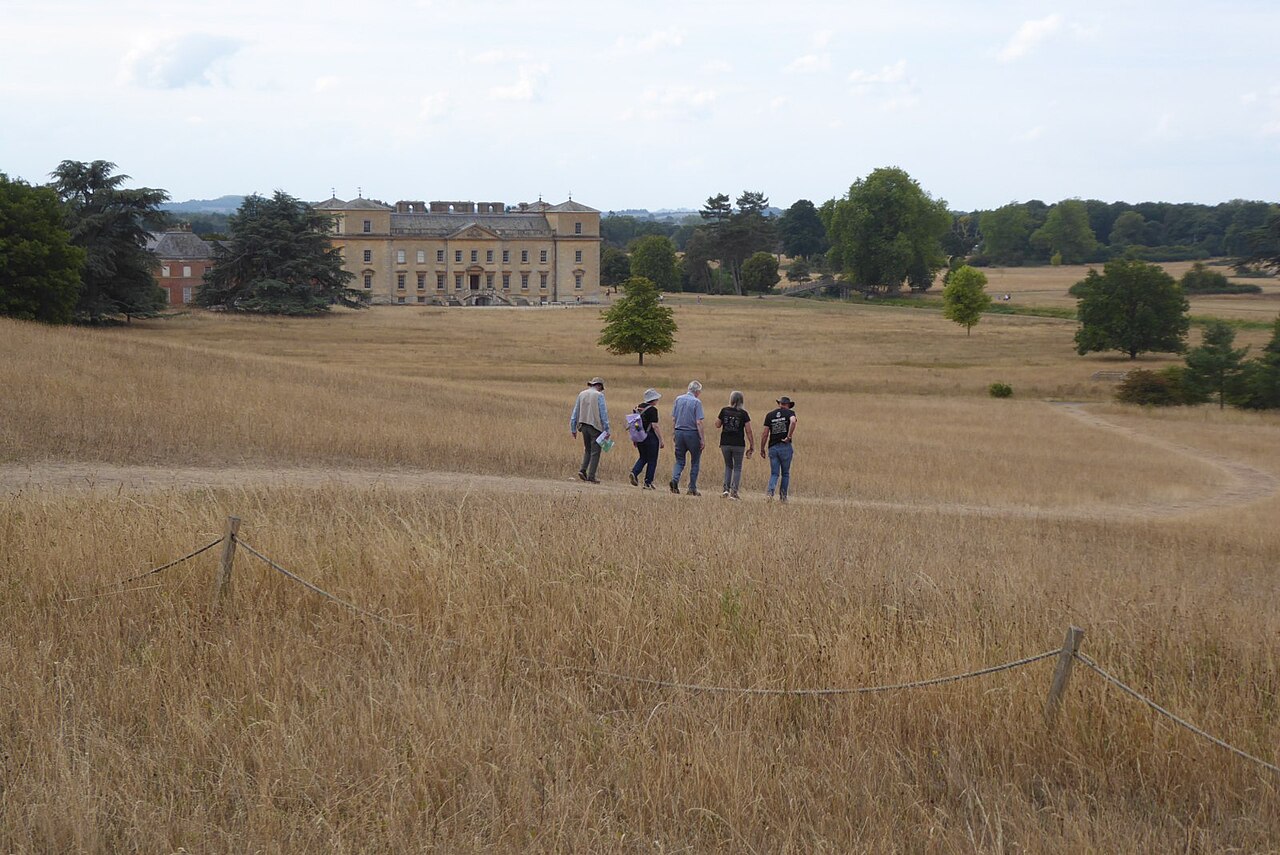
- Movement: the NHS says even a single 15-minute walk can give an energy boost.
- A steady sleep routine: going to bed and getting up at the same time every day, and avoiding naps in the day.
- Less caffeine, which the NHS says can disrupt usual sleep rhythms and lead to daytime tiredness.
- Less alcohol: the page says people sleep less deeply after drinking it, and can be tired the next day even after sleeping a full eight hours.
- Water, because the NHS says a person can sometimes feel tired simply because of mild dehydration.
On exercise, the NHS says regular activity will make people feel less tired in the long run. It advises building up over weeks and months towards the recommended goal of two and a half hours of moderate-intensity aerobic exercise a week, such as cycling or fast walking.
The effects of caffeine can last up to seven hours, the NHS says. The Royal College of Psychiatrists suggests, in its tips for better sleep, stopping tea, coffee and anything else with caffeine in it by 2pm.
A review of 81 studies
A 2022 review in Frontiers in Psychology by Carly Wender and colleagues pooled 81 studies with 7,050 participants. Compared with control groups, moderate-intensity exercise programmes of at least six weeks led on average to small improvements in feelings of fatigue and small-to-moderate improvements in energy, the authors reported.
The review had limits. A much smaller body of research suggested light exercise did not improve energy and fatigue, the authors said, but they called those estimates imprecise because they rested on only six effects for each outcome. The studies used self-report measures.
When tiredness needs a GP
The NHS describes fatigue as an overwhelming tiredness that is not relieved by rest and sleep, and says it may point to an underlying medical condition. It says to see a GP if tiredness has lasted a few weeks with no clear reason, if it affects daily life, or if it comes with other symptoms such as weight loss or mood changes. The page adds one more: being told of gasping, snorting or choking noises during sleep.
The NHS symptoms page lists conditions that can cause tiredness and fatigue, among them iron deficiency anaemia, diabetes, an overactive thyroid and sleep apnoea. It says not to self-diagnose and to see a GP if worried.