Shingles vaccine linked to fewer dementia diagnoses
A study in Wales put the relative reduction at 20% over seven years, while the authors of a second say their findings could help design a large trial to confirm a possible benefit.
Two studies published in the journals Nature and Nature Medicine link shingles vaccination to fewer dementia diagnoses, though both drew on existing health records rather than a randomised trial.
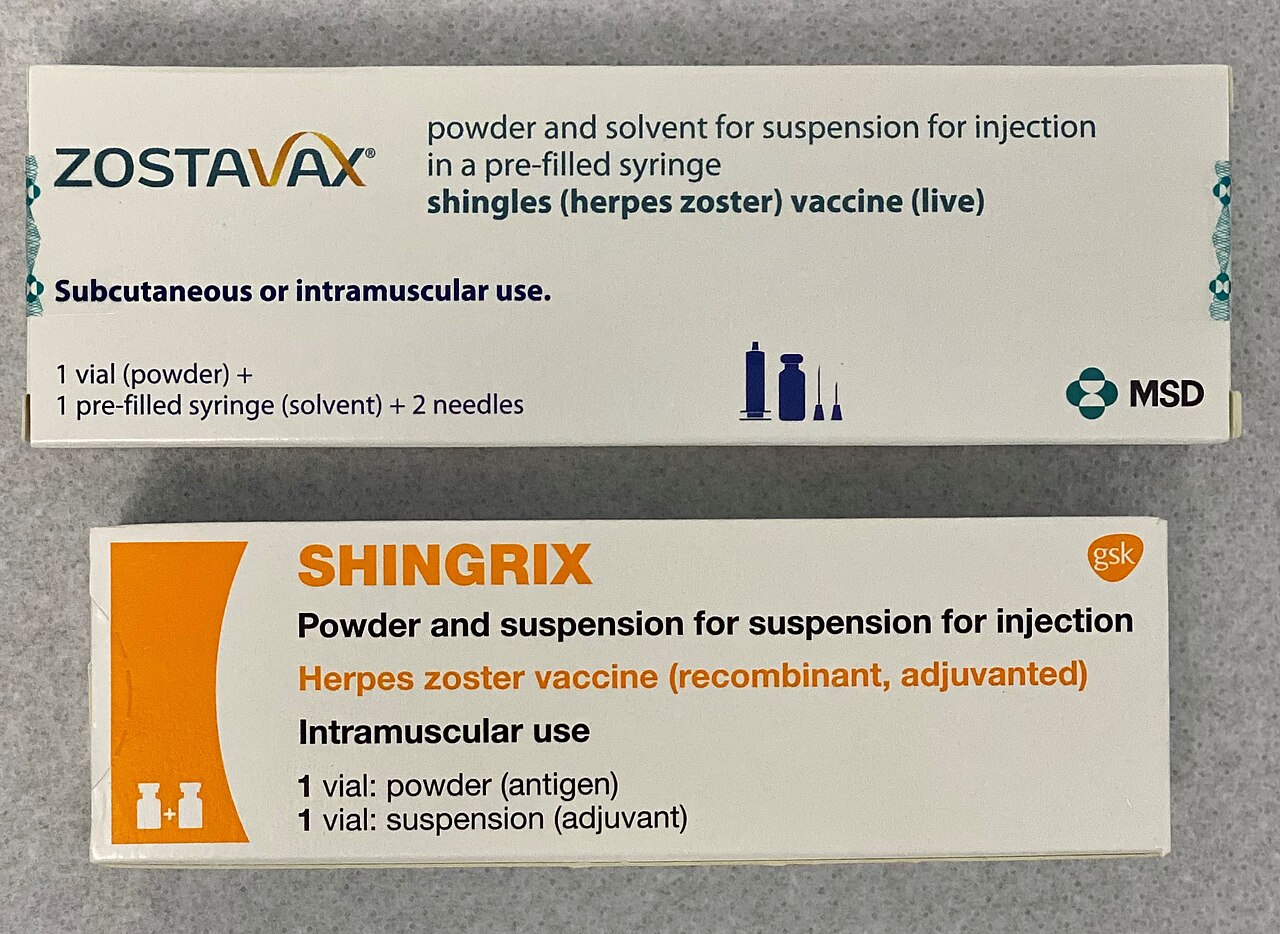
The Nature paper, published on 2 April 2025, used a rule in Wales that split older adults by exact date of birth. People born before 2 September 1933 were ineligible for the live-attenuated shingles vaccine and stayed ineligible for life, while those born on or after that date were eligible for at least a year to receive it. Among people born a week either side of the line, 47.2% of the younger group received the vaccine, against 0.01% of the older group.
Using health records, the researchers estimated that receiving the vaccine lowered the probability of a new dementia diagnosis over seven years by 3.5 percentage points. That is a 20.0% relative reduction, and the 95% confidence interval around it is wide, running from 6.5% to 33.4%. They reported that the protective effect was stronger in women than in men.
The Nature Medicine paper, published on 25 July 2024, asked a different question. It compared the recombinant vaccine, which replaced the live vaccine in the United States, with the live vaccine it succeeded. The researchers matched 103,837 people who had a first dose of the recombinant vaccine between November 2017 and October 2020 with the same number who had a first dose of the live vaccine between October 2014 and September 2017. Over six years, the recombinant vaccine was associated with a 17% increase in diagnosis-free time, equal to 164 additional days without a dementia diagnosis among those later affected. The association was greater in women, at 22% more diagnosis-free time, than in men, at 13%.
The authors of the Nature Medicine paper set out limits of their own. Being free of a diagnosis does not mean being free of the disease, they wrote, because diagnoses can be delayed. They also pointed to limitations inherent to studies based on electronic health records, such as no validation of diagnoses and sparse information on socioeconomic and lifestyle factors. They said the findings could facilitate the design of a large-scale randomised trial to confirm the possible additional benefit of the recombinant vaccine.
In England, the NHS offers the shingles vaccine to everyone turning 65, to people aged 70 to 79 and to adults aged 18 or over with a severely weakened immune system. For the first two groups, the NHS offers two doses, given between six and 12 months apart. The NHS page describes the vaccine as protection against shingles and does not mention dementia.
A UK Health Security Agency report on England, with figures measured on 23 April 2026, put coverage of a first dose of the Shingrix vaccine at 46.9% among people who turned 71 in 2025 to 2026. Among those who turned 66, it was 35.6%. The NHS says a person’s GP surgery will usually contact them when they become eligible, by letter, text message, phone or email.