What the evidence says about SAD lamps
Many people find a SAD lamp helps their symptoms, the NHS says, but it also says to speak to a GP before trying one.
Light therapy for seasonal affective disorder (SAD) is not usually available on the NHS because there is not enough evidence to tell whether it is effective, the NHS says on its page about the condition.
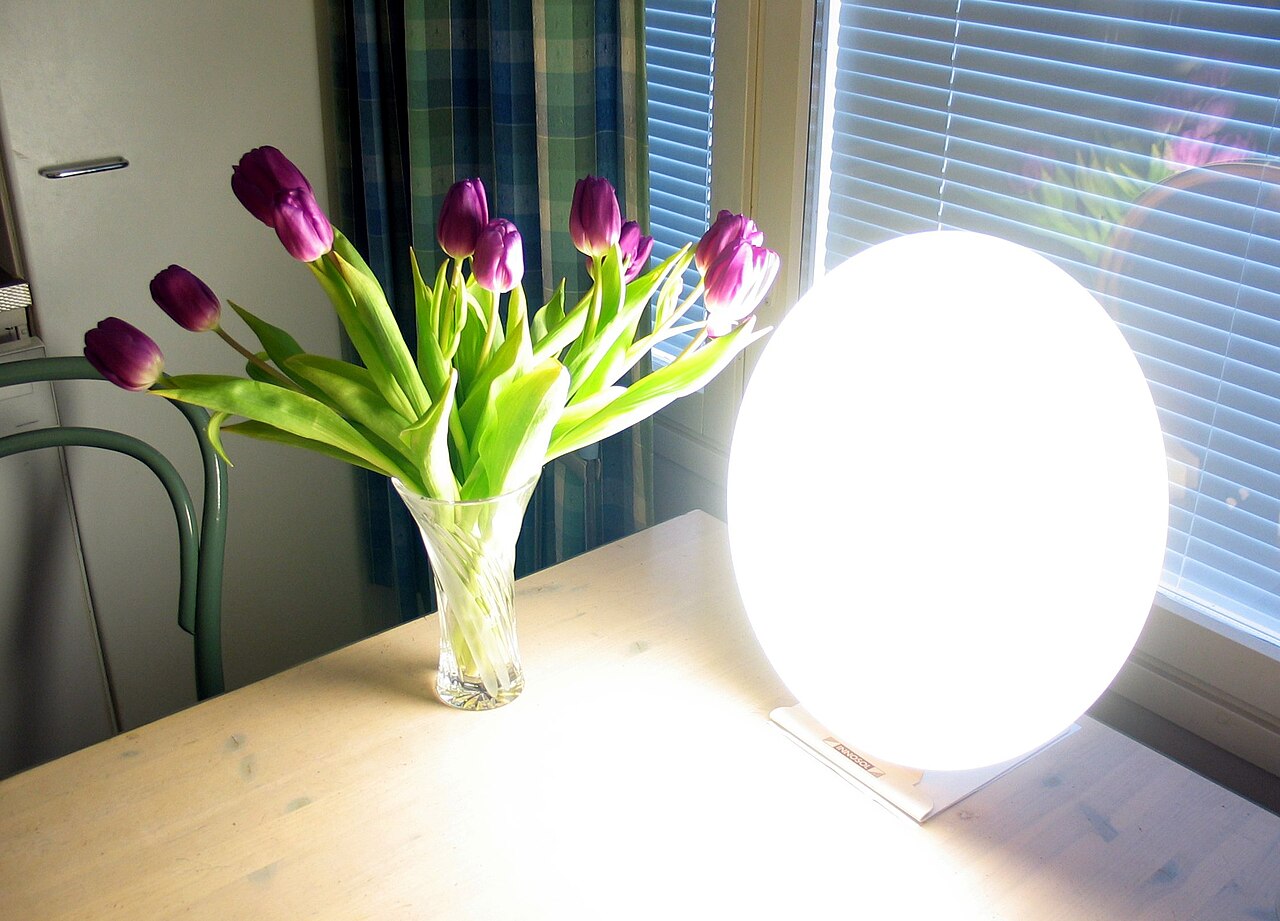
Light therapy involves using a bright light, sometimes called a SAD lamp or light box, to simulate daylight in winter, the page explains. It adds that many people find it helps their symptoms.
SAD is a type of depression that usually happens in the winter and goes away in the summer. Some people have symptoms in summer instead, but this is less common.
Other symptoms the page lists include a lack of interest in things people usually enjoy, difficulty concentrating, feeling more tired and sleeping more than usual, and eating more than usual. It also lists thoughts of suicide or self-harm, and points anyone in a mental health crisis to urgent help.
A 2019 Cochrane review of light therapy to prevent SAD in adults who had had it before described the evidence as limited. Only one study, with 46 people, met its standards. The reviewers rated the evidence very low quality and said the range of possible results included both a benefit and no benefit. The study gave no information on side effects.
Another Cochrane review, updated in 2021, looked at second-generation antidepressants for treating SAD and found three trials with 204 people in total. Two of them, with 136 people between them, compared the antidepressant fluoxetine with light therapy and found the two approximately equal at treating seasonal depression, though the reviewers rated that evidence low-certainty. They said the lack of evidence stopped them drawing overall conclusions. Up to a quarter of people taking antidepressants in the studies left early because of side effects, though the review said its data on side effects were not robust.
The NHS says to speak to a GP before trying light therapy, because it might not suit people with certain eye conditions or those taking some medicines that increase sensitivity to light. It says anyone buying a light box or SAD lamp should make sure it is bright enough, with 10,000 lux the standard, UV-free and marked UKCA or CE.
The NHS’s self-care advice for SAD includes:
- Getting as much natural daylight as possible, including going outside in the daytime every day
- Regular exercise
- Contact with friends and family
- Usual activities
- Going to bed and waking up at the same time every day
- Not drinking too much alcohol or using illegal drugs
- Not using electronic devices, such as smartphones, right before going to bed
The NHS says to see a GP anyone who thinks they might have SAD, or who has been diagnosed and finds treatment is not helping. People aged 18 or over, or 16 or over in some areas, can refer themselves to an NHS talking therapies service without a GP referral.