How much salt is too much – and where it hides
A 2020 review of 133 trials in the BMJ found that blood pressure was lower, on average, on reduced sodium than on people’s usual intake.
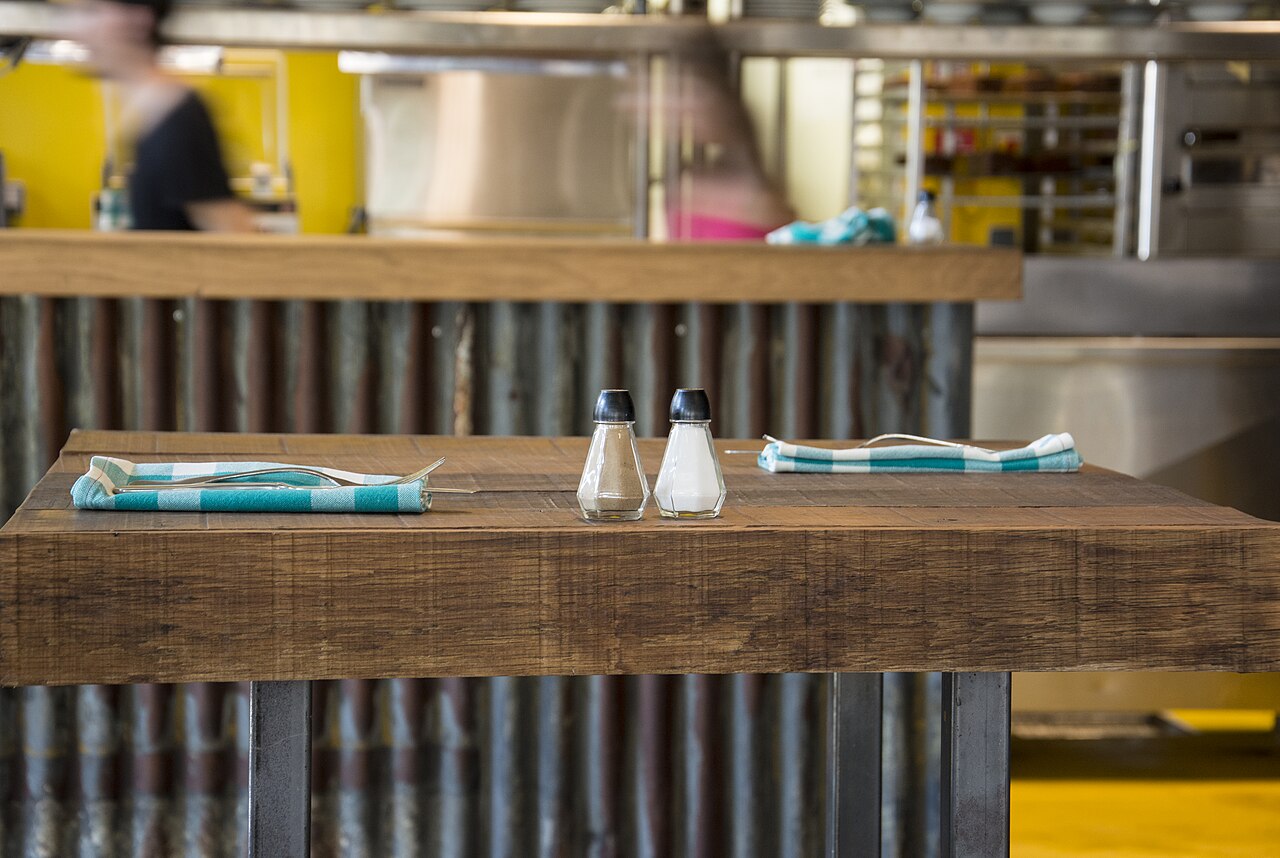
The NHS’s salt guidance, last reviewed in April 2023, says adults should have no more than 6g of salt a day, around 1 level teaspoon. The World Health Organization sets a lower line: less than 5g a day, which it describes as just under a teaspoon.
Worldwide, the WHO put the average adult intake at 11g of salt a day in 2021, more than double its recommendation.
The NHS says eating too much salt can cause high blood pressure, which increases the risk of heart attacks and strokes. The WHO describes raised blood pressure as the primary health effect associated with diets high in sodium, and estimated that 1.7 million deaths in 2023 were associated with consuming too much sodium.
Where the salt comes from
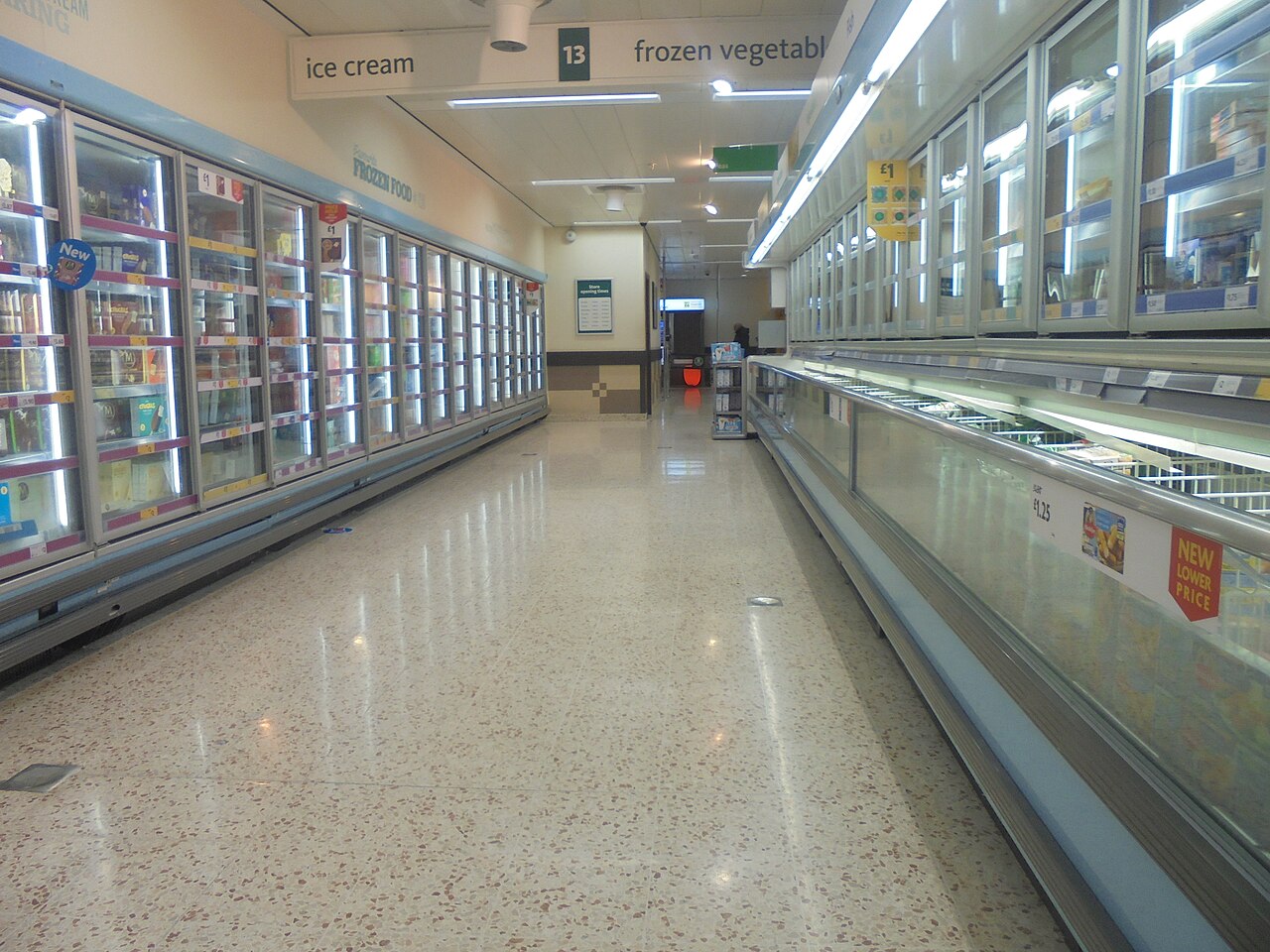
Around three quarters of the salt we eat comes from packaged and everyday foods we buy, the NHS says, such as bread, breakfast cereals, meat products and ready meals.
The NHS’s list of ways to cut down includes:
- Adding flavour with herbs and spices, black pepper, garlic, chili or lemon juice instead of salt
- Tasting food before adding any extra salt
- Food labels, looking for the green and amber colour-coded ones on the front of packaging
- Tinned vegetables, pulses or fish in water instead of brine
- Salty foods such as cured meats and fish, cheese, olives and pickles less often or in small amounts
What the research found
A 2020 review in the BMJ pooled 133 randomised trials involving 12,197 adults. Compared with people on their usual amount of sodium, those on reduced sodium had, on average, an upper blood pressure number 4.26 mm Hg lower and a lower number 2.07 mm Hg lower.
The review reported blood pressure readings; its abstract does not report heart attacks, strokes or deaths. The authors also said that for the same cut in sodium, trials of under 15 days showed less than half the fall in the upper number seen in longer trials, and that short studies underestimate the effect.
The review reported blood pressure readings; its summary does not report heart attacks, strokes or deaths. The authors also said that trials lasting under 15 days showed less than half the effect seen in longer ones, so short studies underestimate it.
When to get checked
The NHS’s high blood pressure guidance says high blood pressure does not usually cause symptoms, and that the only way to find out is to have it checked. It says people should get a check at a pharmacy or GP surgery if they think they might have, or be at risk of, high blood pressure, or if they are 40 or over and have not had one for more than five years.