Most adults eat about 20g of fibre a day – the target is 30g
A Lancet review of 185 studies and 58 trials found risk reductions were greatest at 25g to 29g a day, though the certainty of the evidence was moderate.
Most adults eat an average of about 20g of fibre a day, against government guidelines of 30g, the NHS says on its fibre page.
The page says eating plenty of fibre is associated with a lower risk of heart disease, stroke, type 2 diabetes and bowel cancer, and that foods containing it can help digestion and prevent constipation.
A systematic review by Reynolds and colleagues, published in The Lancet in 2019, put numbers on that link. It pooled 185 prospective studies with 58 clinical trials. The trials had 4,635 adult participants.
In the observational studies, people who ate the most fibre had a lower risk of dying from any cause or from cardiovascular disease, and of coronary heart disease, stroke, type 2 diabetes and colorectal cancer, than those who ate the least. The data suggested a reduction of 15% to 30%. The trials found significantly lower body weight, total cholesterol and systolic blood pressure, the upper figure in a reading, with higher fibre intakes.
Across a range of outcomes, the risk reduction associated with fibre was greatest at 25g to 29g a day. Higher intakes could bring even greater protection against cardiovascular disease, type 2 diabetes and colorectal and breast cancer, the authors wrote, adding that the links “could be causal”.
The reviewers graded the certainty of the evidence for fibre as moderate, and for whole grains as low to moderate. They excluded studies and trials of people with a chronic disease, weight-loss trials and trials involving supplements, and wrote that their findings are limited to risk reduction in the population at large rather than in people with chronic disease.
The NHS fibre page lists ways to raise fibre intake. Three of them:
- Porridge, plain wholewheat biscuits or plain shredded whole grain at breakfast
- Wholemeal or granary bread, higher-fibre white bread, wholewheat pasta, bulgur wheat or brown rice
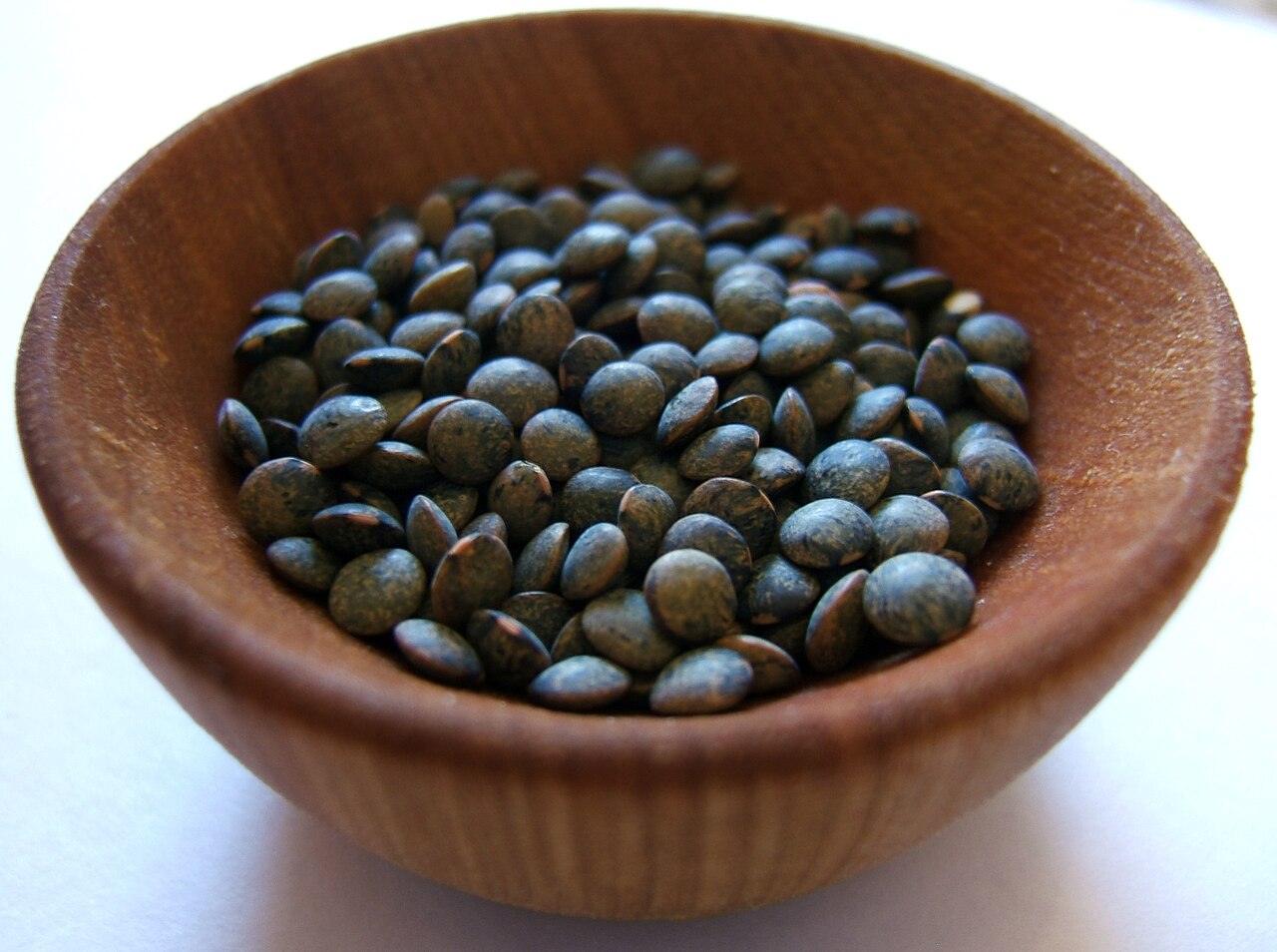
- Beans, lentils or chickpeas added to stews, curries and salads
The page also gives the fibre content of some example meals: around 8.3g for a breakfast of wholemeal toast with peanut butter and a medium-size orange, and around 11g for a lunch of wholemeal spaghetti with lentil and tomato sauce. A dinner of grilled chicken breast, a skin-on baked potato, carrots and green beans should give around 11.2g. Together that is about 30.5g, by our arithmetic. The NHS calls the examples “only illustrations”, because the fibre in any food can depend on how it is made or prepared and how much is eaten.
The NHS constipation page, which covers adults who are constipated, says that to make poo softer and easier to pass they should drink plenty of water and other fluids, avoid alcohol and increase the fibre in their diet gradually. It says a difference may show within a few days, though sometimes it takes a few weeks before symptoms improve.
The same page says to see a GP in these cases:
- Constipation that is not getting better with treatment
- Regular constipation
- Regular bloating
- Blood in the poo
- Weight loss without trying
- Constipation together with feeling tired all the time
- Taking medicine that is causing constipation, such as opioid painkillers
- Sudden changes in bowel habits
- Tummy pain