Five a day: what counts, and what studies found
Potatoes do not count towards five a day, but sweet potatoes and parsnips do, the NHS says.
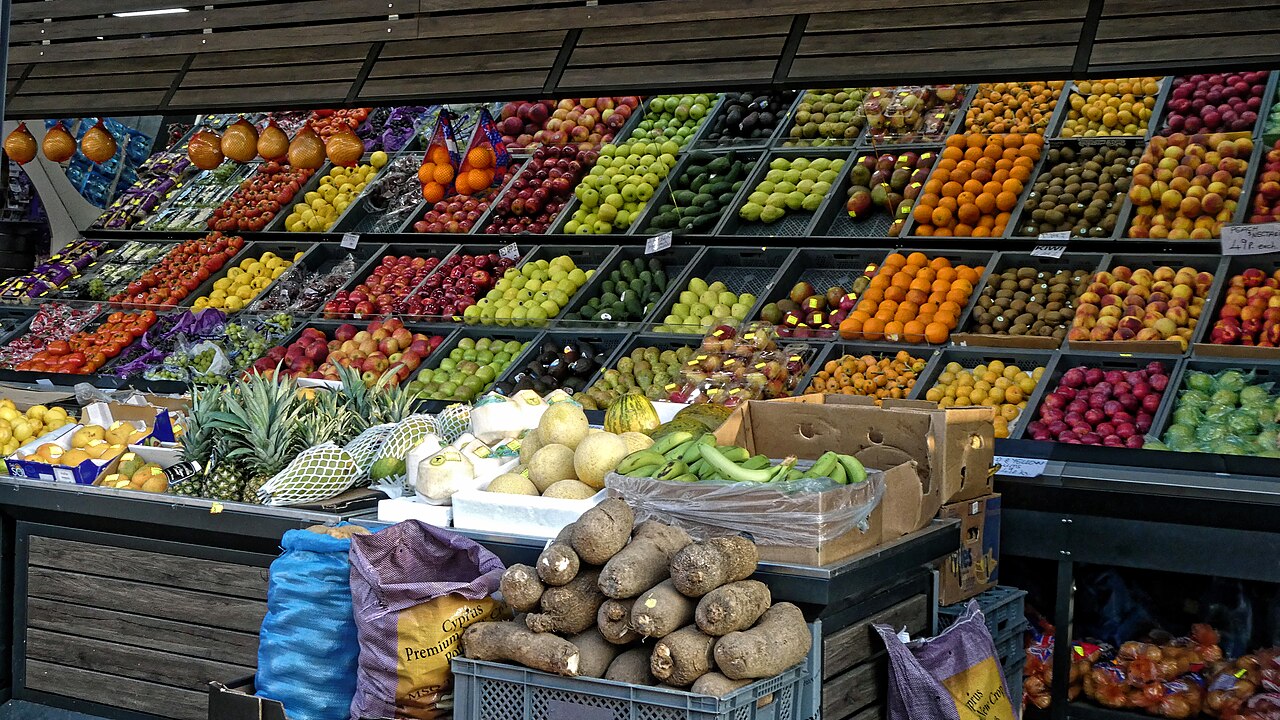
The NHS says everyone should eat at least five portions of a variety of fruit and vegetables every day, and that an adult portion is 80g. That is five portions in total, it says, not five of each.
The campaign is based on World Health Organization advice of at least 400g a day, which the NHS says is meant to lower the risk of serious health problems such as heart disease, stroke and some types of cancer. The WHO’s fact sheet on healthy diets, updated on 26 January 2026, says everyone older than 10 should aim for that amount.
The NHS page on what counts sets out the rules:
- Fresh, canned or frozen fruit and vegetables: 80g is one portion
- Dried fruit: 30g is one portion, best eaten at mealtimes to reduce the risk of tooth decay
- Juice, vegetable juice and smoothies: 150ml counts once a day, with a combined limit of 150ml
- Pulses and beans: 80g counts once a day, however many are eaten
- Potatoes, yams, cassava and plantain do not count, while sweet potatoes, parsnips, swedes and turnips do
A 2021 study in Circulation followed 66,719 women and 42,016 men in the US who were free of heart and blood vessel disease, cancer and diabetes at the start. It found that about five servings a day was associated with the lowest risk of death, and that higher intakes were not associated with any further reduction. Compared with two servings a day, five was associated with a 13% lower risk of death from any cause.
The authors pooled results from 26 cohort studies covering more than 1.8 million people and reported similar results. Intakes of fruit juice and potatoes were not associated with lower death rates, the paper says, and nor were starchy vegetables such as peas and corn.
A 2017 review in the International Journal of Epidemiology found reductions in risk up to 800g a day for all outcomes except cancer, where they were seen up to 600g. Every additional 200g a day was associated with a 10% lower risk of death from any cause.
Both papers describe patterns seen in people followed over time. In the US groups, diet was measured by questionnaire. The 2017 authors wrote that their estimate of 7.8 million premature deaths worldwide in 2013 that may be attributable to eating less than 800g a day holds if the observed associations are causal.
On portion sizes, the NHS page, last reviewed in July 2022, says one medium piece of fruit counts as a portion. The NHS page on eating a balanced diet says people with special dietary needs or a medical condition should ask their doctor or a registered dietitian for advice.