The gut health advice that has evidence behind it
Most people in the UK eat around 20g of fibre a day or less, against the 30g adults are advised to eat, the British Nutrition Foundation says.
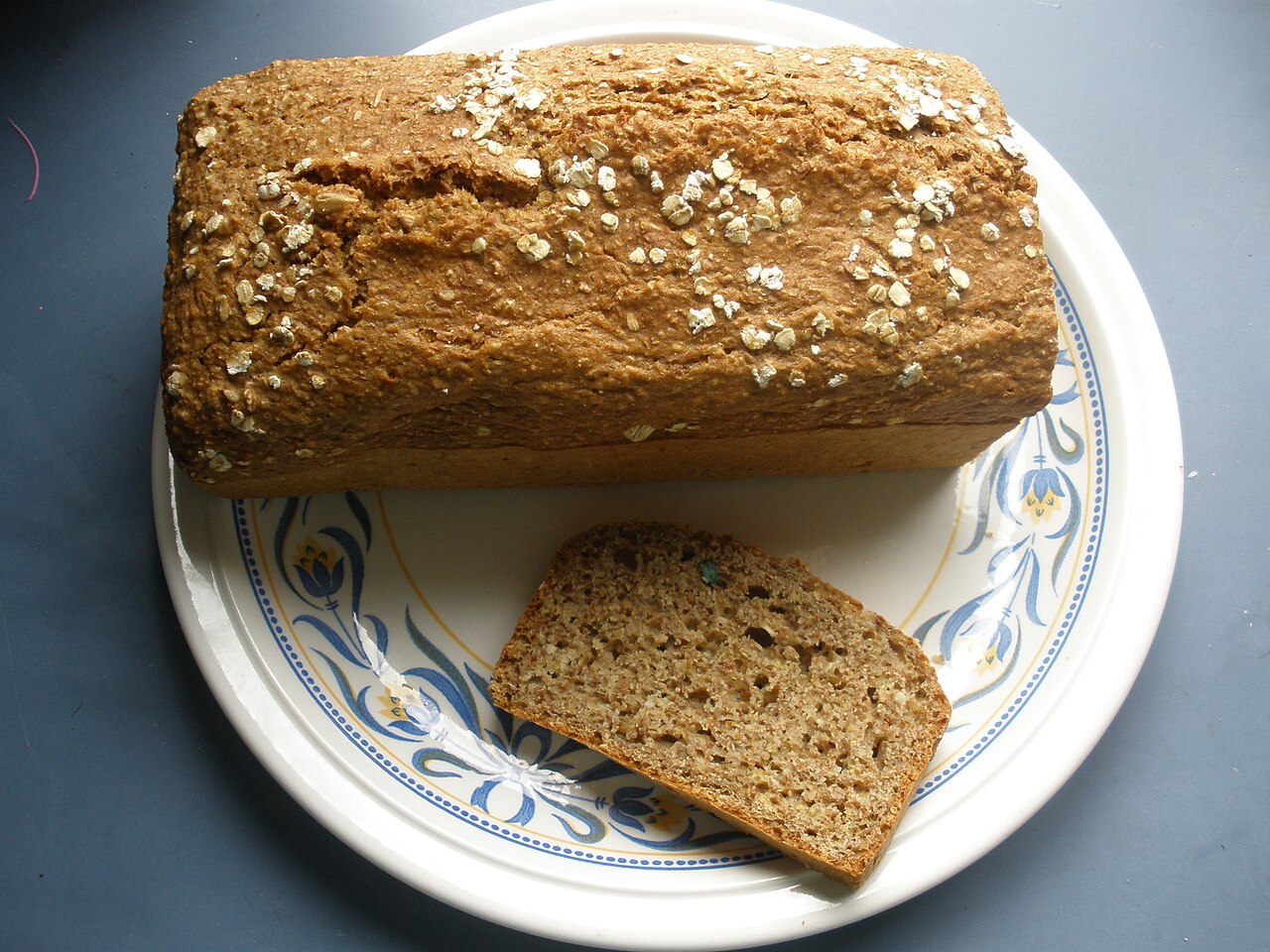
Advice to eat more fibre has large population studies behind it, and some types of fibre act as food for the bacteria in the gut, the British Nutrition Foundation says.
Those studies, reviewed by the UK Scientific Advisory Committee on Nutrition, link a high-fibre diet with a lower risk of heart disease, type 2 diabetes and bowel cancer.
The NHS’s advice for good digestion lists wholemeal bread, brown rice, fruit and vegetables, beans and oats as sources of fibre.
What the evidence shows for fibre and other advice on gut health:
- How fibre works – it passes through the small intestine largely undigested and reaches the large intestine, where it can be fermented by gut bacteria and add bulk to stools, the foundation says.
- Within weeks – eating more fibre can lead to measurable changes in gut bacteria, though responses vary from person to person, the foundation adds.
- Probiotics – there is some evidence that they may help ease some symptoms of irritable bowel syndrome (IBS), the NHS says, but little evidence to support many of the health claims made about them.
- Fermented foods such as kefir – the evidence is “actually pretty limited”, dietitian Lucy Kerrison wrote for the British Dietetic Association, with most research showing associations rather than proven cause and effect.
- One kefir study – around 50 patients with inflammatory bowel disease given 400ml of kefir a day for four weeks showed differences in their gut bacteria compared with a control group, the article notes.
- Fermented foods and IBS – some may be easier for people with IBS to tolerate, the association says, though it advises introducing them slowly and building up to prevent bloating or other symptoms.
Probiotics come in many types that may have different effects on the body, and little is known about which are best, NHS guidance on probiotics says.
If a particular type helps with one problem, that “doesn’t mean it’ll help other problems, or that other types of probiotic will work just as well”, it adds.
For anyone who wants to try them, the NHS’s digestion advice suggests starting with a yoghurt or fermented milk drink and taking them every day for at least four weeks to see if they work.
The NHS advises people with irritable bowel syndrome to see a GP if diet changes and pharmacy medicines are not helping, or if lots of different foods have to be avoided to control symptoms.