Neanderthal shoulder blade may show earliest known wooden-spear violence
The same remains show signs of a facial injury the Neanderthal survived for at least a year, which Dr Emma Pomeroy says would have required care from others.
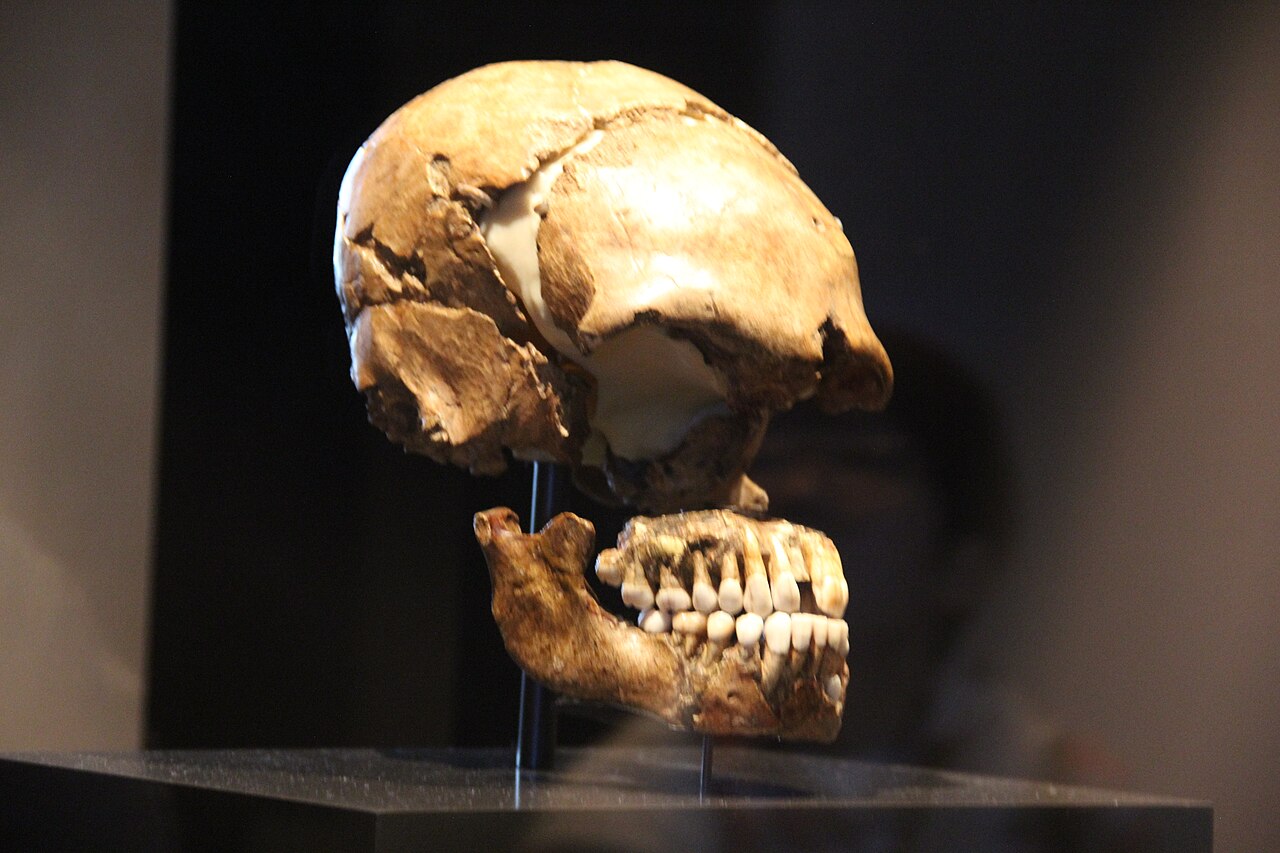
A round hole in the shoulder blade of a Neanderthal who died about 75,000 years ago may be the earliest known example of lethal interpersonal violence with a wooden spear, archaeologists at the University of Cambridge have reported.
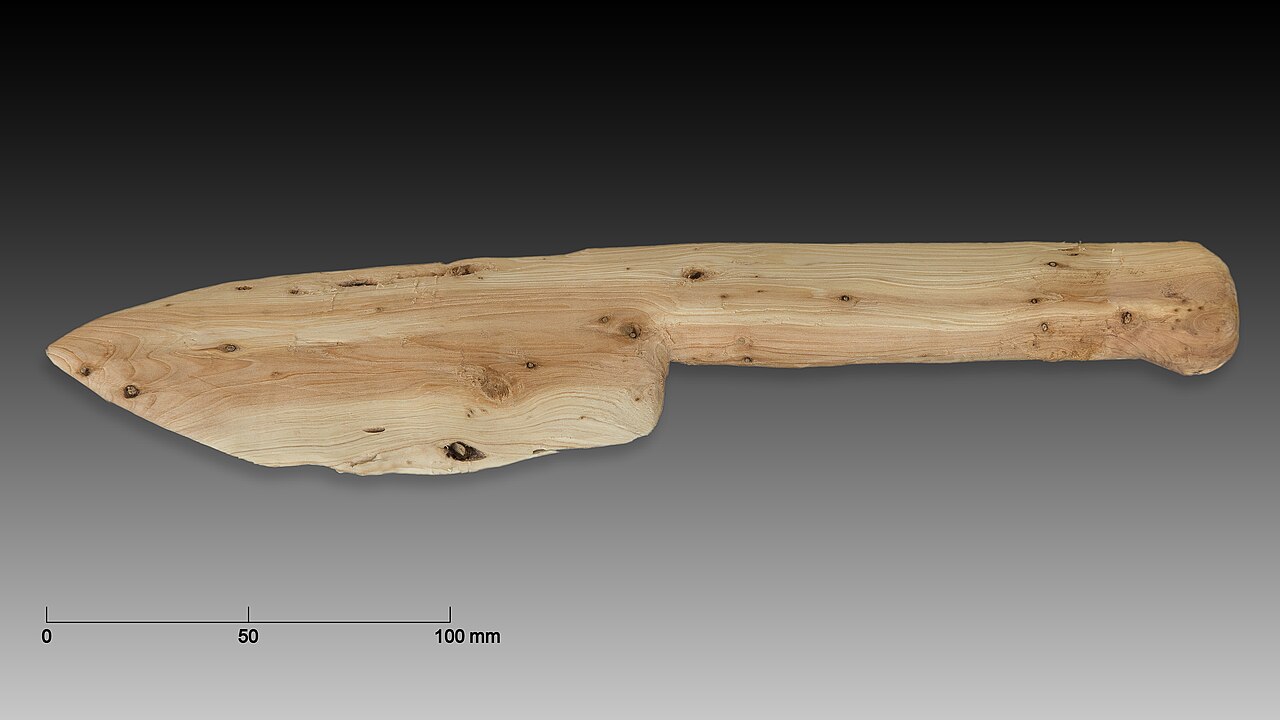
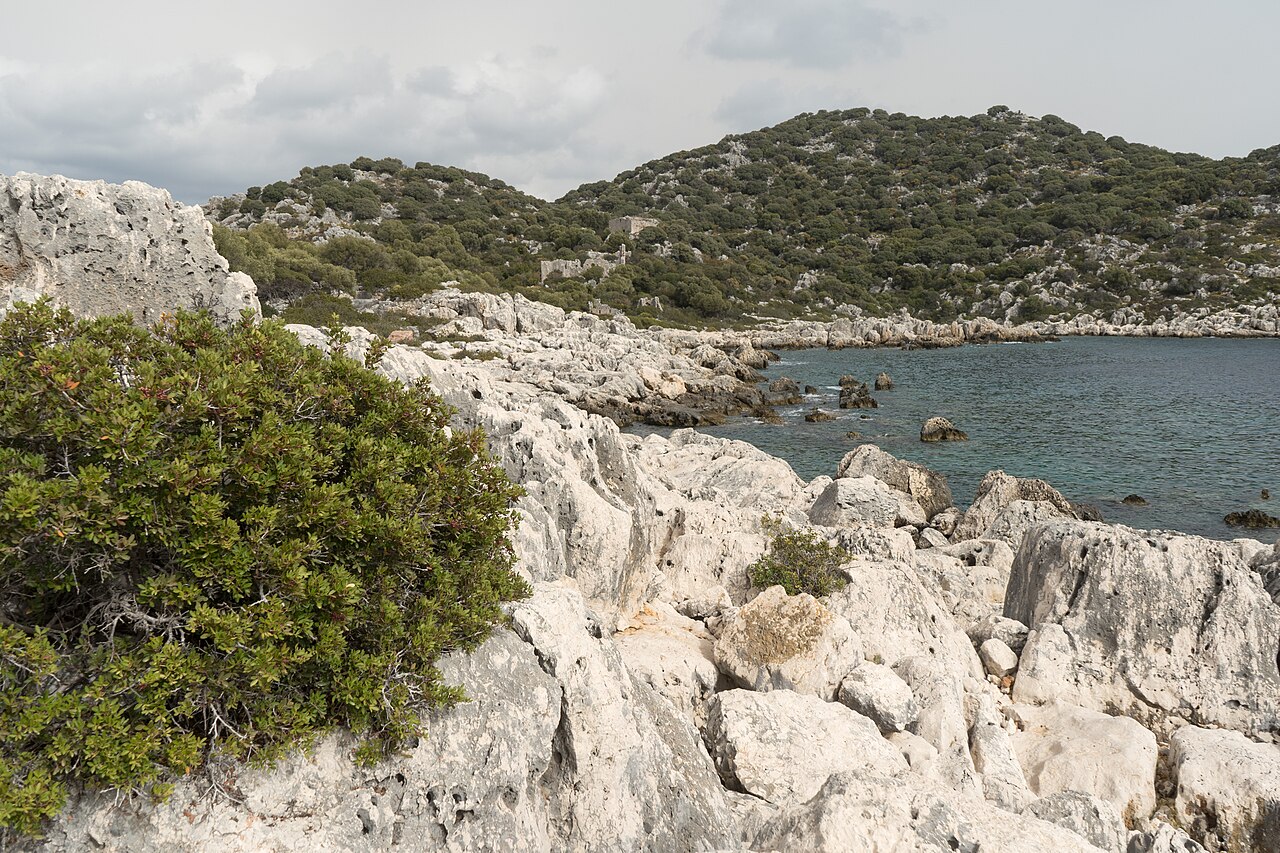
The shoulder blade, found in a cave in Iraqi Kurdistan, lay almost intact under seven-and-a-half metres of rock and sediment. The exception is a 15mm-wide circular perforation. The Cambridge archaeologists who led the excavation say a spear of sharpened wood made it, because a spear tip of flint or stone would leave a flat or angular hole.
The researchers say the spear entered the left chest cavity from the front and travelled through the body, including the lung and likely major arteries, before it punched through the bone. They think the fatal strike may have been an intended “heart shot”.
The archaeologists call the remains Shanidar A, after the cave. They are those of an adult estimated to have been around 45 years old at death, and the findings are published in the journal Scientific Reports.
Accident or attack?
Dr Emma Pomeroy, the study’s lead author at Cambridge’s Department of Archaeology, said the death might have been a hunting accident: “Animals such as mammoths may have been hunted up close with thrusting spears, so it’s easy to imagine lethal injuries.” The position of the wound and the force needed to push a spear right through the body, Pomeroy added, “bear the hallmarks of an intended kill shot directed towards the heart”.
The university said there is no way of knowing the context for the violence, or whether modern humans could have been involved. Archaeologists believe the most straightforward interpretation is interpersonal violence between Neanderthals.
“All we can ever know about the end of this Neanderthal’s life is that it was violent, and came at the end of a wooden spear,” said Prof Graeme Barker of St. John’s College, Cambridge, who leads the Shanidar Cave excavations.
A split tooth and a burial cluster
One lower front incisor had split lengthways, leaving half, and the teeth around it had rotated inward. Tartar along the exposed root canal suggests the half-tooth stayed in the mouth for some time after what the researchers say must have been major blunt-force trauma to the front of the face. Surviving such a blow and living on for at least a year and maybe more, Pomeroy said, “would have required care and support from other Neanderthals”.
Shanidar A was unearthed in 2020, one of three further Neanderthals the Cambridge team has found in a burial cluster since 2015. The cluster now holds five – four adults and an infant – in an area of the cave 1.5 metres long by one metre wide. Pomeroy said the best explanation is “intentional and symbolic funerary behaviour”.