Human brain is ‘two separate organs’, Stanford study finds
The forebrain and hindbrain grow from separate embryonic cells that evolved independently, according to Stanford Medicine researchers, whose study was published in Nature Neuroscience.
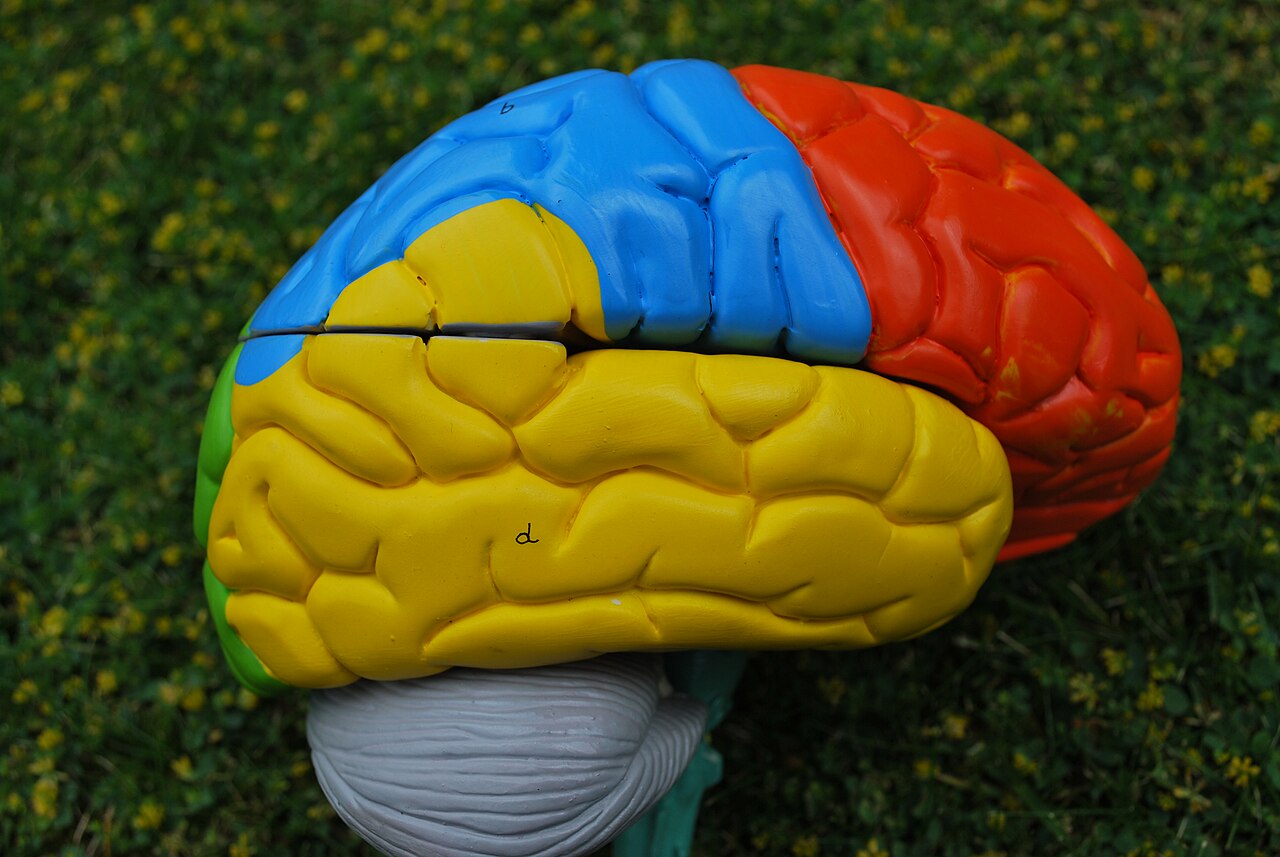
The human brain is made up of two distinct organs that evolved independently rather than developing from a single early cell, Stanford Medicine-led research has found.
Kyle Loh, an associate professor of developmental biology at Stanford Medicine and the study's senior author, said: “We’ve shown for the first time that the front of the brain arises from a totally different progenitor cell than the back of the brain.”
The findings were published in the journal Nature Neuroscience on 18 September, with graduate students Carolyn Dundes and Rayyan Jokhai as co-first authors of the research.
The adult brain has three main regions, with the forebrain handling higher-level thinking such as language and abstract reasoning, while the hindbrain, at the back of the skull, controls automatic functions including breathing and heartbeat, according to Stanford Medicine.
Researchers identified two different embryonic progenitor cells in developing mouse embryos: one, expressing a gene called Otx2, forms the forebrain and midbrain, while another, expressing a gene called Gbx2, forms the hindbrain, the researchers found.
The discovery could help explain why scientists have struggled for decades to grow certain brain cells in the laboratory, and opens new avenues for studying diseases that affect the brain stem, such as spinal muscular atrophy and amyotrophic lateral sclerosis, Stanford Medicine said.
Jokhai said previous attempts to make hindbrain neurons had likely tried to “coax forebrain and midbrain progenitors into hindbrain cells, which our study shows is not possible”.
For the first time, the researchers used the discovery to coax human stem cells into becoming functional hindbrain motor neurons in the laboratory, Stanford Medicine said.
The same two-origin pattern was found in chickens, zebrafish and acorn worms, spanning more than 550 million years of evolution, according to Stanford Medicine.
“Our research suggests that evolution took two existing neural systems and pushed them together spatially,” Loh said.
“Having the brain as one organ would probably be more efficient, but we rely on this primordial way to make the brain as two separate pieces,” Loh added.
Whitehall Minute Newsroom · 20 Sep 2026