What honey does for a cough – and who should avoid it
A Cochrane review found honey probably had no advantage over a placebo beyond three days, and the NHS says it is not suitable for babies under 1 year old.
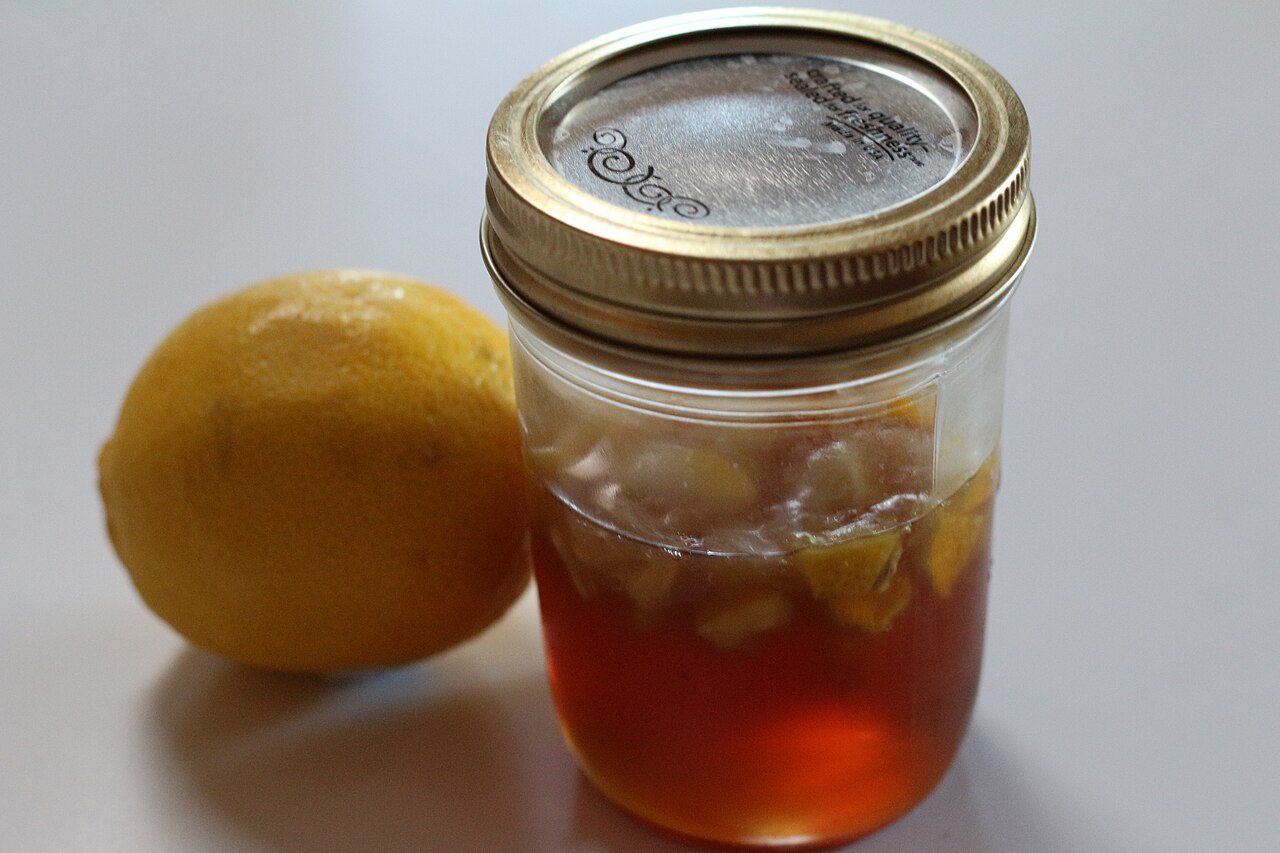
The NHS says hot lemon and honey can have a similar effect to cough syrup, but also that there is limited evidence it helps ease a cough.
Most coughs are caused by a cold or flu, and usually clear up on their own within three to four weeks. The health service’s recipe is half a lemon squeezed into a mug of boiled water, with 1 to 2 teaspoons of honey, drunk while still warm. It adds that hot drinks should not be given to small children.
What the trials found
A 2018 Cochrane review looked at six trials involving 899 children. They were aged 12 months to 18 years, and the review found that honey probably reduces cough frequency better than no treatment or a placebo, which the authors rated as moderate-certainty evidence.
Honey may have a similar effect to dextromethorphan in reducing cough frequency, and may be better than diphenhydramine, two of the medicines it was compared with. That evidence was rated low certainty.
Giving honey for up to three days was probably more effective in relieving cough symptoms than a placebo or the medicine salbutamol. Beyond three days, honey probably had no advantage over salbutamol or placebo in reducing cough severity, bothersome cough, and the impact of cough on sleep for parents and children.
Most of the children received treatment for one night, which the authors described as a limitation. They wrote that there was no strong evidence for or against using honey.
Nervousness, insomnia and hyperactivity were reported by seven children (9.3%) given honey and two (2.7%) given dextromethorphan, which the authors rated low-certainty evidence. Stomach and gut symptoms were reported by 34 children (12%) given honey. In the placebo group, 13 children (11%) reported them. The authors concluded there was no difference in the occurrence of adverse events between the honey and control groups.
A 2021 review of 14 studies by researchers at the University of Oxford, published in BMJ Evidence-Based Medicine, found honey was superior to usual care for improving symptoms of upper respiratory tract infections, including cough frequency and cough severity. The authors said further high-quality, placebo-controlled trials were needed.
Who should not have it
The NHS’s food guidance says honey occasionally contains bacteria that can produce toxins in a baby’s intestines, leading to infant botulism, which it calls a very serious illness. It says children should not be given honey until they are over 1 year old.
The NHS says to see a GP if a cough has lasted for more than three weeks, if there is weight loss for no reason, or if the immune system is weakened – for example, because of chemotherapy or diabetes. It says to ask for an urgent GP appointment or get help from NHS 111 in any of these cases:
- A cough that is very bad or quickly gets worse – for example, a hacking cough or being unable to stop coughing
- Feeling very unwell
- Chest pain
- A swollen and painful side of the neck (swollen glands)
- Finding it hard to breathe
- Coughing up blood