Itchy fingers and toes after the cold? It may be chilblains
NHS advice says not to warm cold hands or feet on a radiator or under hot water, and lists diabetes as one reason to see a GP.
Chilblains, small itchy patches that can appear on the skin after time in the cold, mostly on the fingers and toes, usually go away on their own in two to three weeks, the NHS says.
They tend to show up a few hours after being out in the cold, and can also appear on the face and legs.
The skin can itch or feel as if it is burning, and the fingers or toes may turn red or purple, though redness may be harder to see on brown and black skin.
The cold makes the blood vessels in the fingers and toes smaller. As the skin warms up, the vessels deep in it stay small while those nearer the surface get bigger, which causes pain or itching and changes in skin colour.
A patient leaflet from the Dudley Group NHS Foundation Trust says chilblains tend to appear on parts of the body that get cold easily, including the nose and earlobes.
Some people with poor circulation and other problems with their blood vessels are more prone to them, the leaflet says, but most chilblains occur in people who are otherwise healthy.
Things that may help
The chilblains page lists things that may help and stop chilblains coming back:
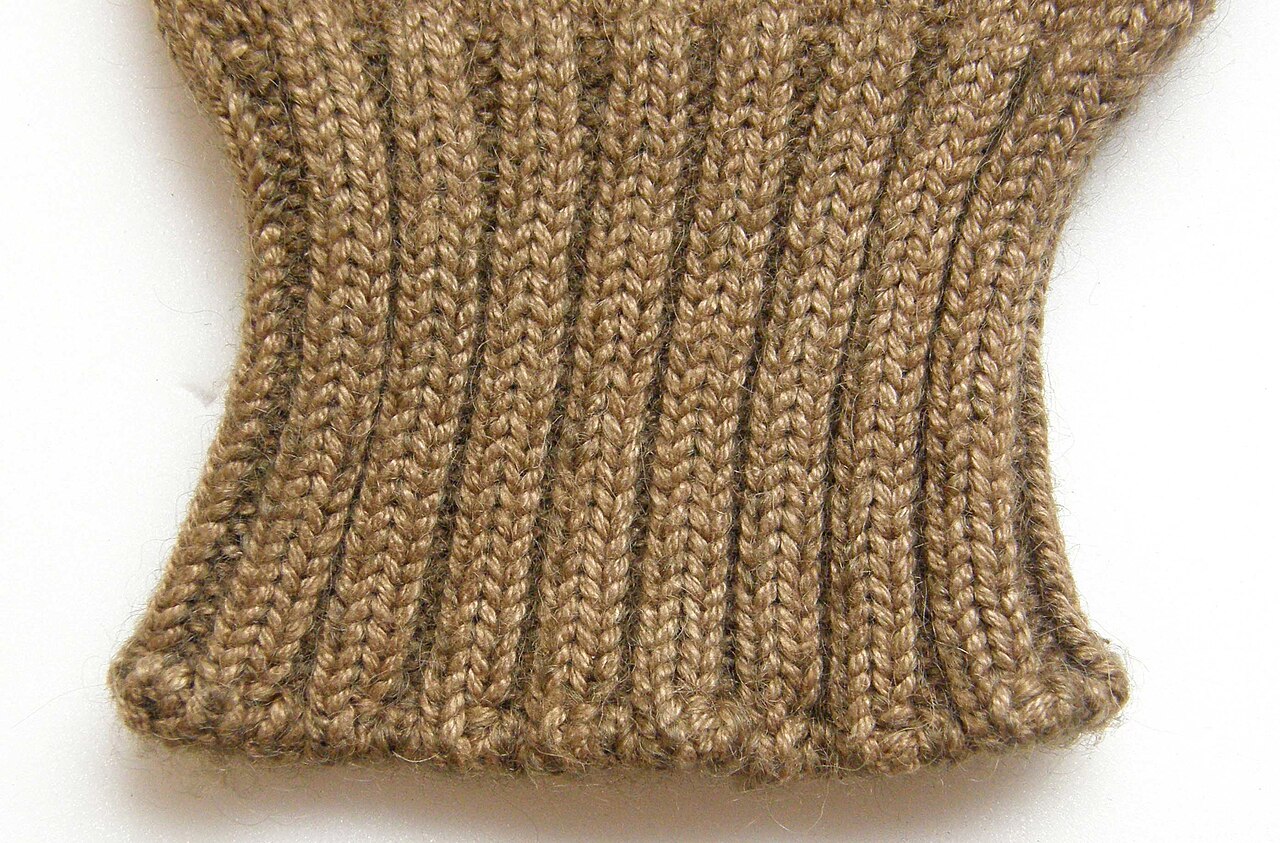
- trying to avoid being outside when it is cold or damp, and wearing warm, waterproof clothing, gloves and thick socks if going out
- drying the skin and warming it slowly after it has been in the cold
- not putting feet or hands on a radiator or under hot water to warm them up
- not smoking, not having drinks that contain caffeine and not taking decongestants (medicine for a blocked nose), which can affect blood flow in the fingers and toes
- not scratching or picking at the skin
The NHS page on Raynaud’s, where blood stops flowing properly to the fingers and toes, says fingers and toes may change colour when people are cold, anxious or stressed, turning white or a lighter colour, blue or red. It lists chilblains as a possible cause of burning or itchy swelling that follows being very cold and gets worse as the skin warms up.
The chilblains page says a GP should be seen if:
- the skin is not getting better after two to three weeks
- pus is coming out of the skin
- the temperature is very high, or there is a hot, cold or shivery feeling
- chilblains keep coming back
- the person has diabetes, because foot problems can be more serious
The Dudley leaflet says the skin can crack and become infected, which is of most concern for high-risk patients such as those with diabetes or poor circulation. Chilblains are uncomfortable, it says, but do not cause permanent damage and will heal on their own if further exposure to cold is avoided.