High cholesterol: why only a blood test can find it
The NHS guide puts a healthy total cholesterol level for adults at below 5mmol/L.
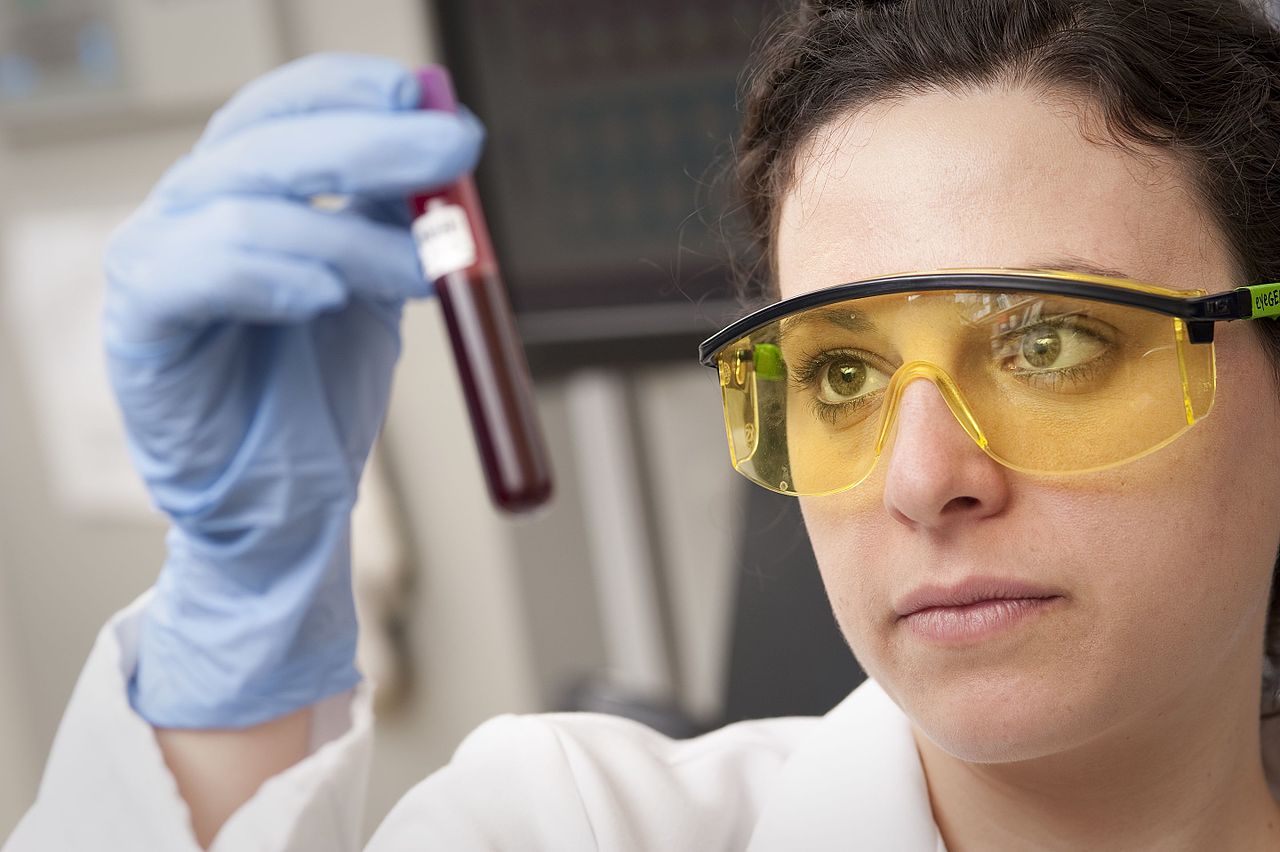
High cholesterol does not usually cause symptoms, and a blood test is the only way to find out whether someone has it, the NHS says.
The British Heart Foundation calls it a hidden risk factor, and says too much cholesterol can narrow the arteries and raise the risk of a heart attack or stroke.
According to NHS guidance on getting tested, a GP may suggest a test because of age, weight or a condition such as high blood pressure or diabetes. It advises asking a GP surgery for a test if someone has not had one before and is over 40 or overweight, or if high cholesterol or heart problems run in their family.
What the numbers mean
The NHS cholesterol levels page says a cholesterol test can measure total cholesterol, HDL (good cholesterol) and non-HDL cholesterol (bad cholesterol). Its guide to healthy levels for adults is:
- Total cholesterol: below 5mmol/L
- HDL: above 1.0mmol/L for men or above 1.2mmol/L for women
- Non-HDL: below 4mmol/L
The NHS calls these levels a guide, and says a good target depends on things like age, health conditions and the risk of heart and blood vessel disease. The British Heart Foundation says recommended levels may be lower after a heart attack or stroke.
What can bring it down
The NHS page on lowering cholesterol sets out four steps:
- Eating less fatty food, especially saturated fat
- At least 150 minutes of moderate intensity exercise or 75 minutes of vigorous intensity activity a week
- Stopping smoking, as smoking can raise cholesterol
- Less alcohol: not regularly drinking more than 14 units a week, and having several drink-free days each week
Statins and other medicine
Some people also need to take medicine, the NHS says. The NHS page on statins says they lower the amount of cholesterol the body makes. It says they may be offered to people at higher risk of heart and blood vessel disease when healthy lifestyle changes have not helped or are unlikely to help on their own, and to people who already have the disease.
The NHS says a health assessment called QRISK can show that someone may be at increased risk of developing heart and blood vessel disease in the next 10 years.
NICE guidance published in December 2023 says atorvastatin should be offered to people without established heart and blood vessel disease whose 10-year QRISK3 score is 10% or more. It adds that atorvastatin should not be ruled out for someone with a lower score if they have an informed preference for taking a statin or there is concern that their risk may be underestimated.
The NHS says statins can cause side effects, though not everyone gets them. It says to talk to a doctor if the medicine seems to be causing problems, and to talk to a doctor or pharmacist before stopping, because cholesterol levels may be affected. Some side effects are rare but serious, and may mean contacting 111 for advice.
Most people can take statins, the NHS says, but they should not be taken by anyone who:
- has severe liver disease
- is pregnant or trying to get pregnant
- is of childbearing age and is not using contraception