Everyday habits that can help lower blood pressure
A reading of 140 over 90 or higher counts as high blood pressure, according to the World Health Organization.
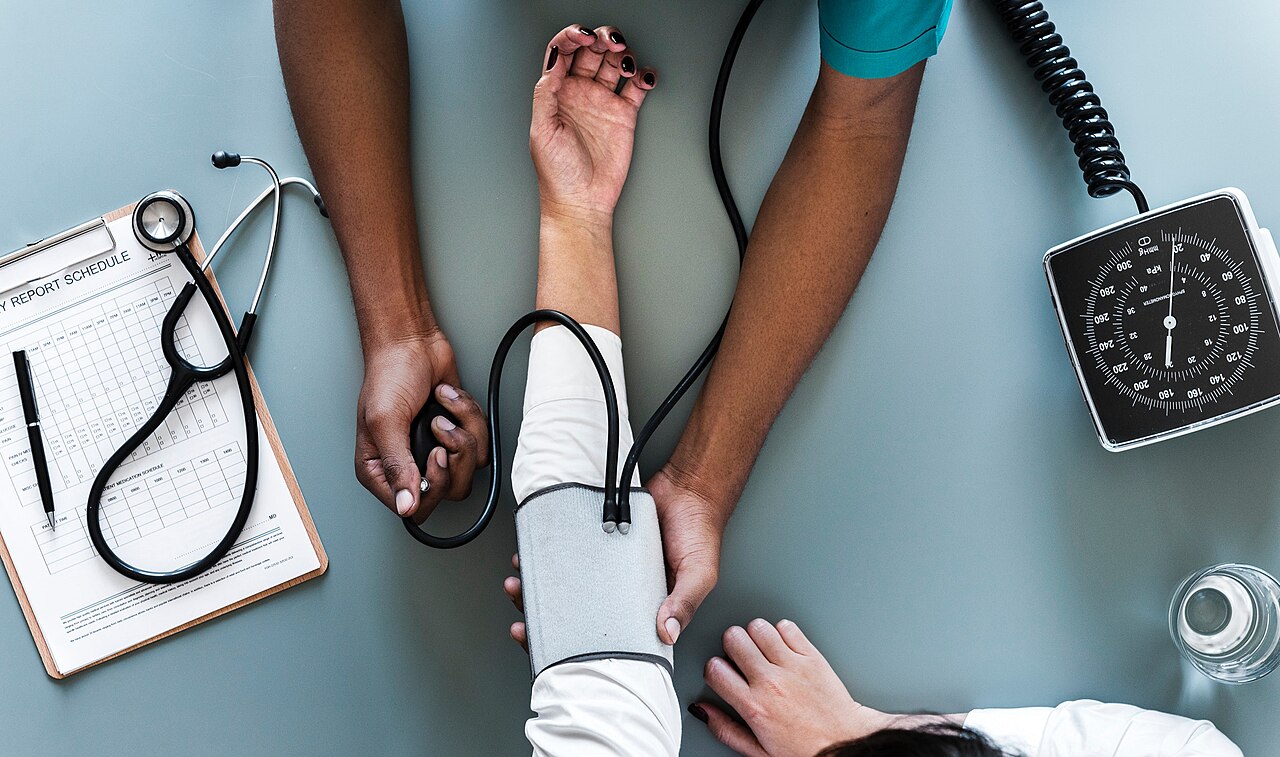
Everyday habits such as eating a healthier diet, being more active and quitting tobacco can help lower blood pressure, the World Health Organization says.
The organisation estimates that in 2024 one in three adults worldwide aged 30 to 79 had high blood pressure. That is about 1.4 billion people. Around 320 million of them, or 23%, had it under control.
The NHS says lowering blood pressure even a small amount can help reduce the risk of problems such as heart attacks, strokes and kidney disease.
Its advice on high blood pressure lists seven things to do or avoid:
- A healthy, balanced diet
- Regular exercise – at least 150 minutes a week
- Losing weight for anyone who is overweight
- Not too much salt – avoiding salty food or adding salt to meals
- Not regularly drinking more than 14 units of alcohol a week
- Not too much caffeine – coffee, tea and cola are all high in it
- Not smoking
Harvard Health Publishing warns that high amounts of sodium may be lurking in six common foods it calls the “salty six”: breads and rolls, cold and cured meats, pizza, poultry, soup and sandwiches.
It calls losing weight one of the most effective ways of reducing raised blood pressure, and says losing as little as seven to 10 pounds can lower it.
On exercise, Harvard suggests aiming for half an hour at least five days a week and says even everyday activities such as gardening can help. Drinking “too much, too often”, it warns, can increase blood pressure.
These changes are not always enough on their own. The NHS says a GP will usually prescribe medicine if blood pressure stays high after healthy lifestyle changes, if it is very high, or if the risk of problems such as a heart attack or stroke is higher.
Most blood pressure medicines are tablets taken once a day, and some people may need more than one.
High blood pressure does not usually cause any symptoms, and many people have it without realising it.
The NHS advises a check at a pharmacy or GP surgery for anyone who thinks they might be at risk, and for anyone aged 40 or over who has not had one for more than five years. Many pharmacies offer free checks to people aged 40 or over.
Frequent headaches or blurred vision, or chest pain that comes and goes, are reasons to get help from NHS 111.
Sudden pain or discomfort in the chest that does not go away is different: the advice is to call 999 straight away, as it could be a heart attack.