Lung cancer: the signs and when to see a GP
Symptoms range from a lingering cough to feeling tired all the time, and some people notice none at first, the NHS says.
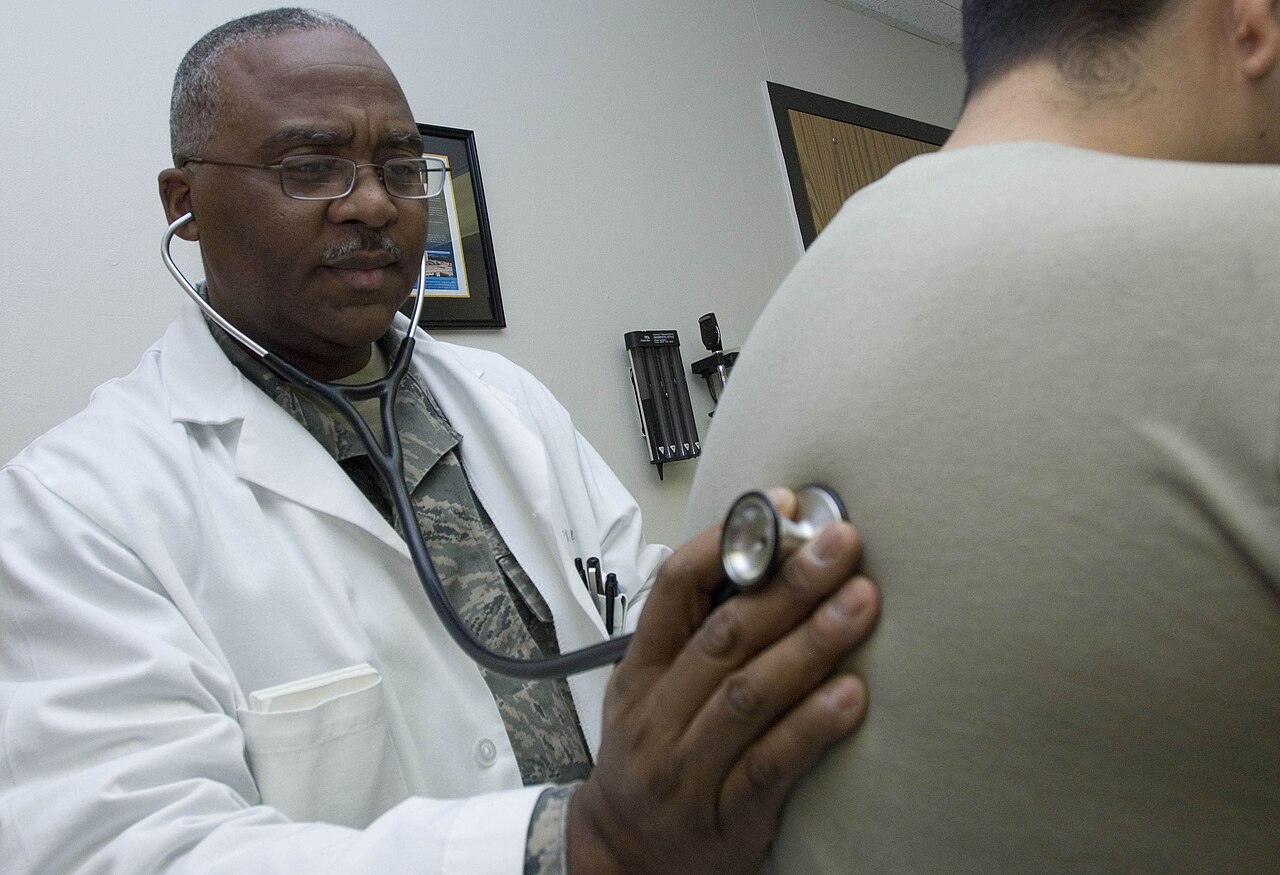
A cough that is not going away tops the list of common signs of lung cancer on the NHS symptoms page, which says to see a GP if it has lasted longer than three weeks.
The page adds that people may not notice any symptoms in the early stages of lung cancer.
What the NHS lists
The NHS says the common symptoms of lung cancer may include:
- a cough that is not going away
- shortness of breath
- coughing up blood
- chest or shoulder pain
- often having chest infections, or having a chest infection that is not getting better
- losing weight without trying
- not feeling hungry (loss of appetite)
- feeling tired all the time
Less common symptoms may include swelling of the face or neck, difficulty swallowing and a hoarse voice that does not go away, the page says. It also lists changes in the way the fingers look, called clubbing, where the fingertips may look wider than usual or curve downwards.
Some of these symptoms are very common and can be caused by other conditions, the NHS says. Cancer Research UK says other medical conditions can cause similar symptoms, and that it does not mean a person has cancer.
When to get help
The NHS says to see a GP if someone has had a cough for longer than three weeks or has any other symptom of lung cancer. It says to ask for an urgent GP appointment or get help from NHS 111 after coughing up blood or noticing blood on a tissue after a cough.
It says to call 999 or go to A&E if someone is struggling to breathe – choking, gasping and unable to speak – or has pain in the chest or upper back. The page says not to drive to A&E but to ask someone to drive or to call 999 and ask for an ambulance, and to bring any medicines.
Who is offered a check
The NHS page on lung cancer screening says it aims to find lung cancer early, sometimes before a person has symptoms. People aged between 55 and 74 who have ever smoked may be given the chance to take part, it says, if they are registered with a GP surgery and live in an area where checks are on offer. The page says the checks are only available in some parts of England and that the service is being rolled out across the country.
The first appointment can end in no further action, a referral to a GP or an offer of a CT scan of the lungs. A letter with the scan results comes within four weeks, the page says, and it says not to wait for a lung health check if a person has any of the symptoms.
The UK National Screening Committee said in a blog post on 11 November 2024 that 5,037 lung cancers had been detected in the Targeted Lung Health Check programme between its start and the end of August 2024.
What raises the risk
The NHS page on causes says it is not always known what causes lung cancer. It says a person may be more likely to get it if they:
- smoke
- have often breathed in other people’s smoke over a long period of time (passive smoking)
- have chronic obstructive pulmonary disease (COPD)
- have a close relative who has had lung cancer
- work or used to work in the building industry and may have breathed in asbestos fibres over a long period of time
- have breathed in air pollution over a long period of time
- have breathed in radon over a long period of time (radon is a natural gas that is sometimes found in high levels inside buildings in some areas of the UK)
Under the heading “How to lower your risk of lung cancer”, the same page lists quitting smoking, staying active and exercising regularly, and a healthy diet including at least five portions of fruit and vegetables a day.
The screening page was last reviewed on 27 March 2023, and its own next review date, 27 March 2026, has passed.
The NHS says it is important to get any symptoms of lung cancer checked by a GP.