Cold, flu or COVID-19? Symptoms alone can’t settle it
The NHS says flu tends to be more severe than a cold and comes on within hours, while a cold appears gradually.
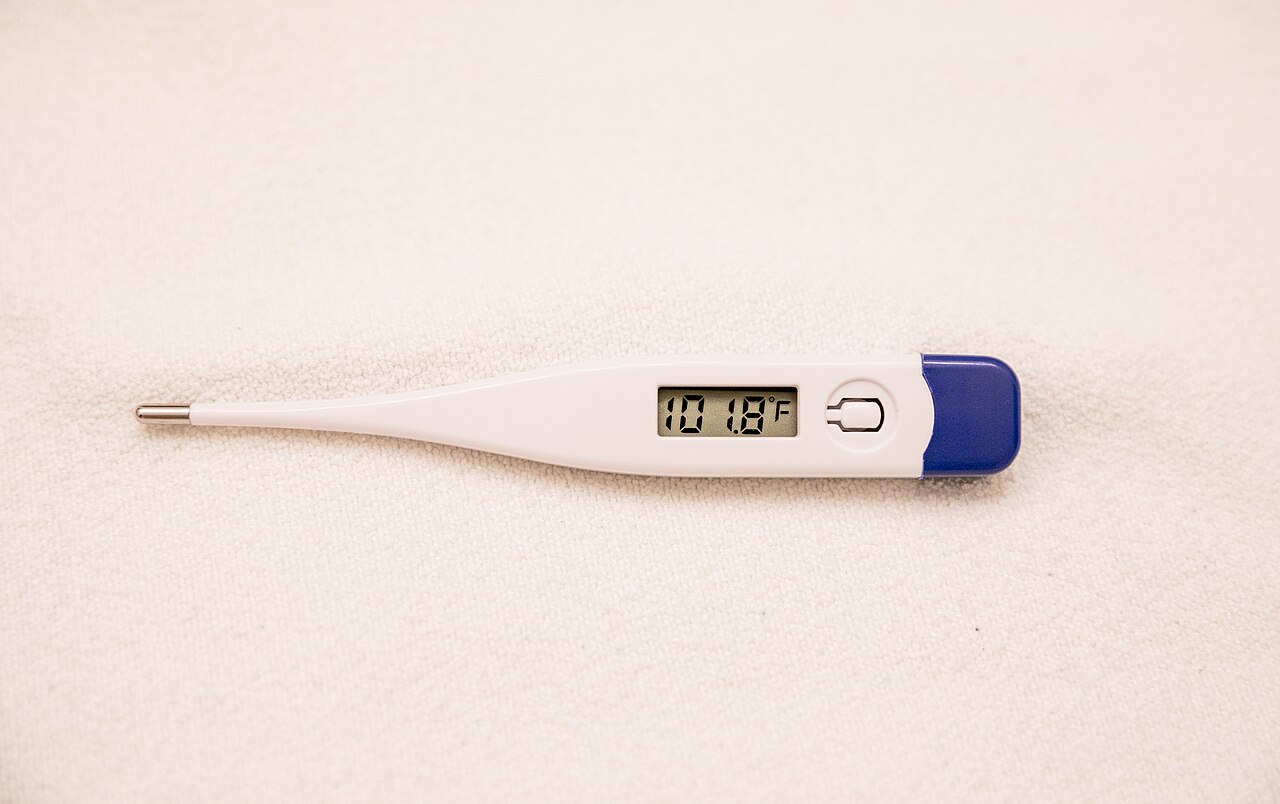
It is not possible to tell whether someone has COVID-19, flu or another respiratory infection from symptoms alone, the UK Health Security Agency (UKHSA) says in guidance for England.
The guidance, last updated in June 2022, lists continuous cough, high temperature, shortness of breath, unexplained tiredness, a sore throat and a stuffy or runny nose among the symptoms of COVID-19, flu and common respiratory infections. It says most people will have a relatively mild illness, especially if they have been vaccinated.
Cold or flu: what the NHS points to
The NHS says cold and flu symptoms are similar but flu tends to be more severe. Its flu page says the symptoms come on very quickly and can include:
- a sudden high temperature
- an aching body
- feeling tired or exhausted
- a dry cough
- a sore throat
- a headache
- difficulty sleeping
- loss of appetite
The NHS page on colds says the symptoms come on gradually and mainly affect the nose and throat. The main ones are a blocked or runny nose, sneezing and a sore throat, it says.
A person with a cold feels unwell but is well enough to carry on as normal, and can normally go to work, the NHS says. Flu leaves people exhausted and too unwell to do so.
The same page lists a loss of taste and smell among the things a person with a cold may also have.
Where COVID-19 fits in
The NHS COVID-19 page lists a high temperature, an aching body, a headache, a sore throat and a blocked or runny nose, as well as a new, continuous cough and a loss or change to the sense of smell or taste. It says the symptoms are very similar to those of other illnesses such as colds and flu.
The NHS says to try to stay at home and avoid other people if a person or their child has a high temperature or does not feel well enough for normal activities. Most people do not need a rapid lateral flow test if they have symptoms, it says.
If someone chooses to test and the result is positive, the NHS says to try to stay at home for five days after the day of the test if aged 18 or over, and for three days if under 18. It also says to avoid meeting people who are more likely to get seriously ill, such as those with a weakened immune system, for 10 days after the test. UKHSA’s 2022 guidance gives five days for adults and three days for those aged 18 and under.
When the NHS says to get help
For flu, the NHS says to ask for an urgent GP appointment or get help from NHS 111 if someone has symptoms and:
- is worried about a baby’s or child’s symptoms
- is 65 or over
- is pregnant or has recently given birth
- has a long-term medical condition, such as diabetes or a condition affecting the heart, lungs, liver, kidneys, brain or nerves
- has a weakened immune system, for example because of chemotherapy or HIV
- feels very unwell
- feels short of breath
- has symptoms that do not improve after seven days
It says to call 999 or go to A&E for flu if someone gets sudden chest pain, has severe difficulty breathing, such as gasping, choking or not being able to get words out, or starts coughing up blood. It says not to drive to A&E: ask someone to drive you, or call 999 and ask for an ambulance.
For a cold, the NHS says to see a GP if someone:
- has a high temperature for more than three days
- finds the symptoms getting worse
- has a very high temperature, or feels hot, cold or shivery
- feels short of breath or has chest pain
- is worried about a child’s symptoms
- has symptoms that do not get better after 10 days
- has a cough for more than three weeks
- has a long-term medical condition, such as diabetes or a heart, lung or kidney condition
- has a weakened immune system, for example because of chemotherapy
For COVID-19, the NHS says to ask for an urgent GP appointment or get help from NHS 111 if someone:
- is worried about their own or a child’s symptoms, or is not sure what to do
- has symptoms that are getting worse or not getting better
- has other signs of illness, such as a rash, loss of appetite or feeling weak
- has a high temperature that lasts five days or more or does not come down with paracetamol
- is a child under three months old with a temperature of 38C or higher
- is a child aged three to six months with a temperature of 39C or higher
The NHS says getting help is particularly important for people at increased risk, such as those who are pregnant, aged 60 or over, or have a weakened immune system. It says to call 999 or go to A&E for COVID-19 if someone:
- seems very unwell, is getting worse or may have something seriously wrong
- gets sudden chest pain
- is so breathless they cannot say short sentences at rest, or their breathing has suddenly got worse
- starts coughing up blood
- collapses, faints or has a seizure for the first time
- has a rash that does not fade when a glass is rolled over it, as with meningitis
The NHS says antibiotics do not work for viral infections such as flu, and that GPs do not recommend them for flu or colds because they will not relieve symptoms or speed up recovery. It also says not to give aspirin to children under 16.
What the pages do not settle
The pages are not dated alike. The NHS flu page was last reviewed on 3 February 2026, its cold page on 22 March 2024 and its COVID-19 page on 21 March 2023, with the next review of that page due in March 2026. The UKHSA guidance was last updated on 10 June 2022.
They also differ in detail. The flu page says a cold appears gradually over one to two days, while the cold page says over two to three days.