Mould at home can affect more than your lungs
Social landlords in England must investigate significant damp and mould within 10 working days of a report, and Awaab’s Law will extend to more hazards from 30 November 2026.
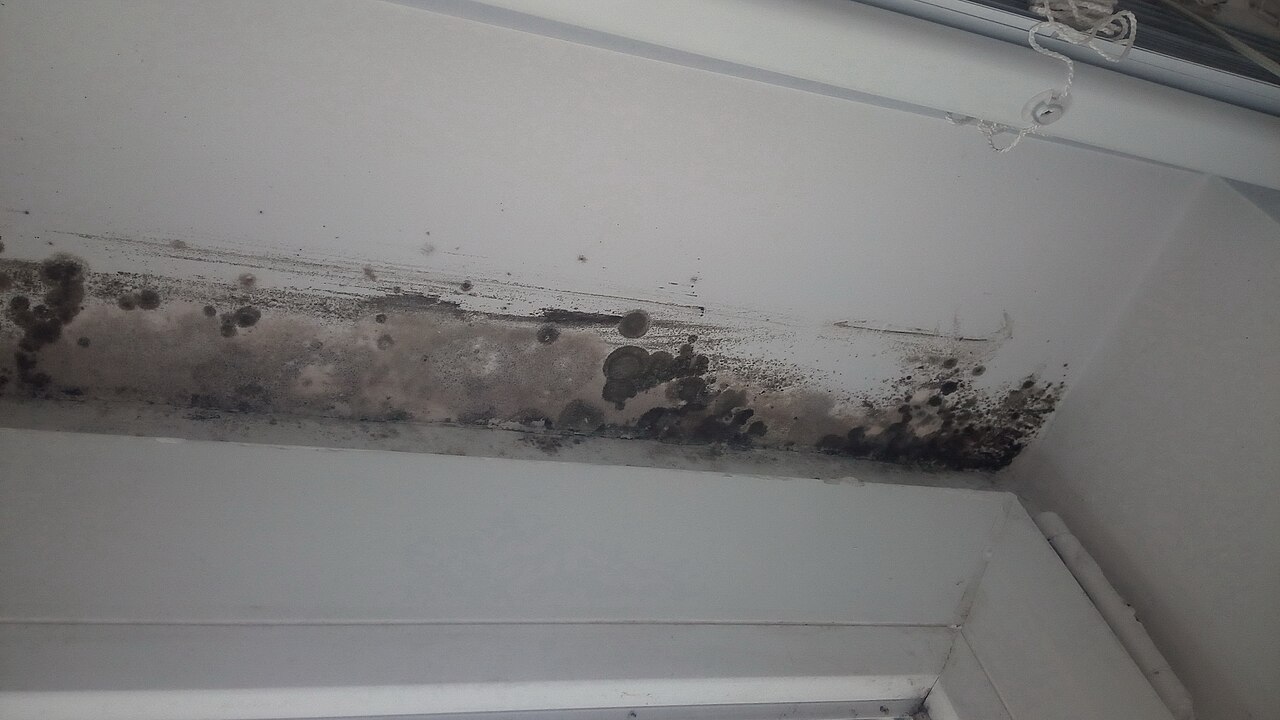
Damp and mould in a home mainly affect the airways and lungs, but they can also affect the eyes and skin, according to government health guidance for landlords in England.
The guidance, from the Department of Health and Social Care’s Office for Health Improvement and Disparities, says anyone can be affected, but people with certain health conditions, children and older adults are at greater risk of more severe effects.
When to get medical help
The guidance tells landlords to advise any tenant worried about their symptoms to consult a healthcare professional. The NHS lists wheezing, coughing, shortness of breath and a tight chest as the main symptoms of asthma, which can be triggered by contact with something a person is allergic to, such as pollen, dust, mould or animals. It says to see a GP if:
- you or your child have asthma symptoms
- you or your child have asthma and treatments are not helping, you are needing to use your inhaler more often, or you need advice about using your inhaler
- you or your child have asthma and your symptoms are not improving or are stopping you doing your usual activities or waking you up at night
An asthma attack means severe symptoms and difficulty breathing, which can be life-threatening, the NHS says. It says to call 999 if someone is having an attack and:
- starts to feel worse at any time
- does not feel better after taking the maximum dose using an asthma reliever inhaler
- does not have an asthma inhaler
The NHS also says people should not drive themselves to A&E, and that after an attack, even someone who feels better should see a GP within 2 days.
What social tenants are owed
Awaab’s Law has been in force for social housing in England since 27 October 2025, and the Ministry of Housing, Communities and Local Government says in a guide for tenants that it applies to most people living in social housing with a tenancy agreement.
The guide sets out some of the deadlines for landlords:
- Emergency hazards, such as major leaks or dangerous electrical faults, must be investigated and made safe within 24 hours.
- A significant damp and mould hazard must be investigated within 10 working days of being reported, then made safe within 5 working days of the investigation finishing.
- A written summary must follow within 3 working days of the investigation finishing.
- If the home cannot be made safe in time, the landlord must offer and find somewhere else to stay for free while the work is done.
These deadlines apply to social landlords. The ministry’s guidance for landlords says the law will be extended to further hazards, including excess cold and excess heat, from 30 November 2026.