The odd ice craving that can be a sign of low iron
The NHS lists it alongside a sore tongue, hair loss and spoon-shaped nails among the less common symptoms that can accompany the condition’s more familiar tiredness and breathlessness.
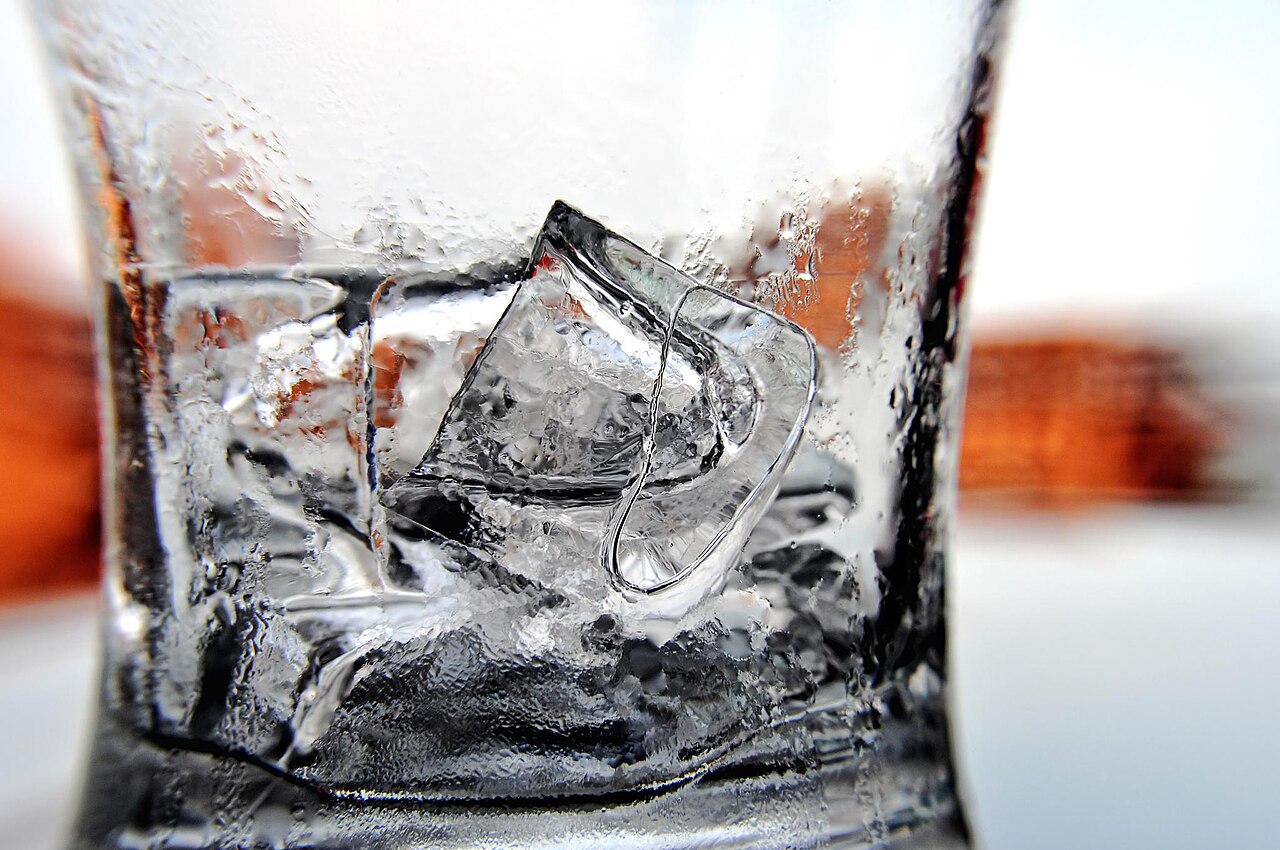
An urge to chew ice, or to eat other things that are not food, is one of the less common symptoms of iron deficiency anaemia, the NHS says.
More familiar signs tend to come first: tiredness and a lack of energy, shortness of breath, noticeable heartbeats, headaches and skin that looks paler than usual.
Further down the health service’s list of less common symptoms are:
- A sore tongue, and food that suddenly tastes strange.
- Patchy hair loss – noticing more hair coming out when brushing or washing it.
- Nail changes, such as spoon-shaped nails, and itchy skin.
- Painful mouth ulcers in the corners of the mouth.
- Restless legs syndrome and trouble swallowing (dysphagia).
- Tinnitus – ringing, buzzing or hissing noises inside the head.
Worldwide, 30% of women who were not pregnant had anaemia in 2019, the World Health Organization says in its latest fact sheet on the condition. Iron deficiency is its most common nutritional cause, the organisation adds.
Heavy periods and pregnancy are very common causes of iron deficiency anaemia, the NHS says, and in pregnancy it is most often down to not getting enough iron from food.
Bleeding inside the stomach or intestines is another common cause, it adds, sometimes triggered by anti-inflammatory painkillers such as ibuprofen or aspirin, by stomach ulcers, by inflammation of the bowel or food pipe, or by piles, and less often by bowel or stomach cancer.
UK dietary surveys show that many women are not getting enough iron, the British Dietetic Association says, with the body’s needs highest during periods, pregnancy and growth spurts.
The foods that help, and the ones that get in the way, according to the association:
- Haem iron – from red meat and offal, which the association says is well absorbed by the body.
- Non-haem iron – found in beans, lentils and dark-green vegetables, and harder for the body to take in on its own.
- Vitamin C – eating non-haem iron alongside vitamin C or animal protein “can help your body absorb the iron,” the association says.
- Tea and coffee – these contain tannins that “make it difficult for your body to absorb iron,” so the association advises avoiding them during or after meals, particularly for vegetarians and vegans.
These are general symptoms and causes, not a diagnosis. They can overlap with other conditions, and only a blood test can confirm whether iron deficiency anaemia is behind them.
The NHS advises anyone who thinks they might have iron deficiency anaemia to see a GP.
Iron tablets are usually taken for about six months once the cause has been identified and treated, the health service adds, and it notes that drinking orange juice after taking a tablet may help the body absorb the iron.